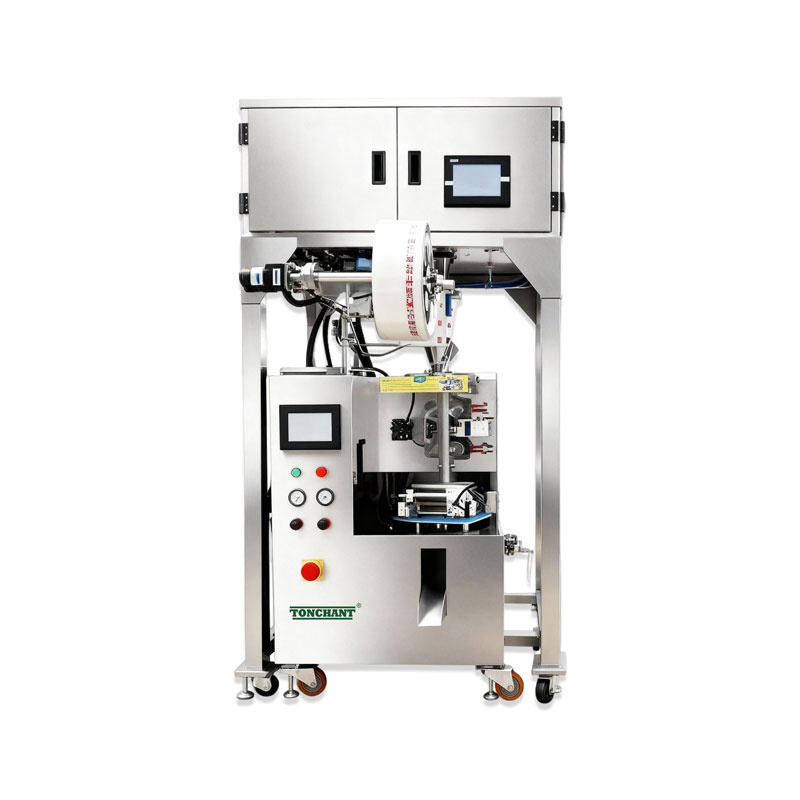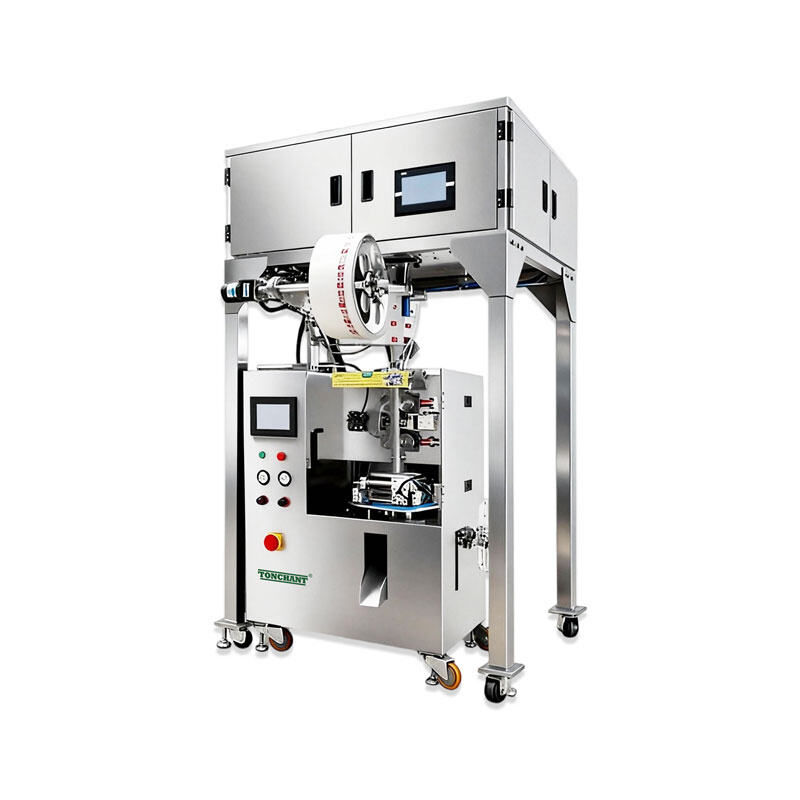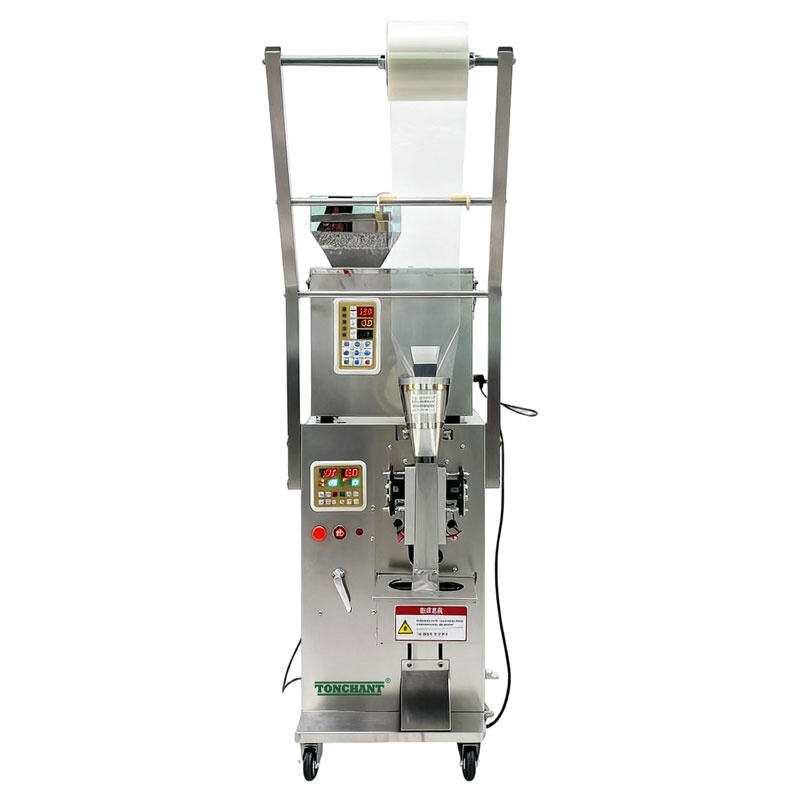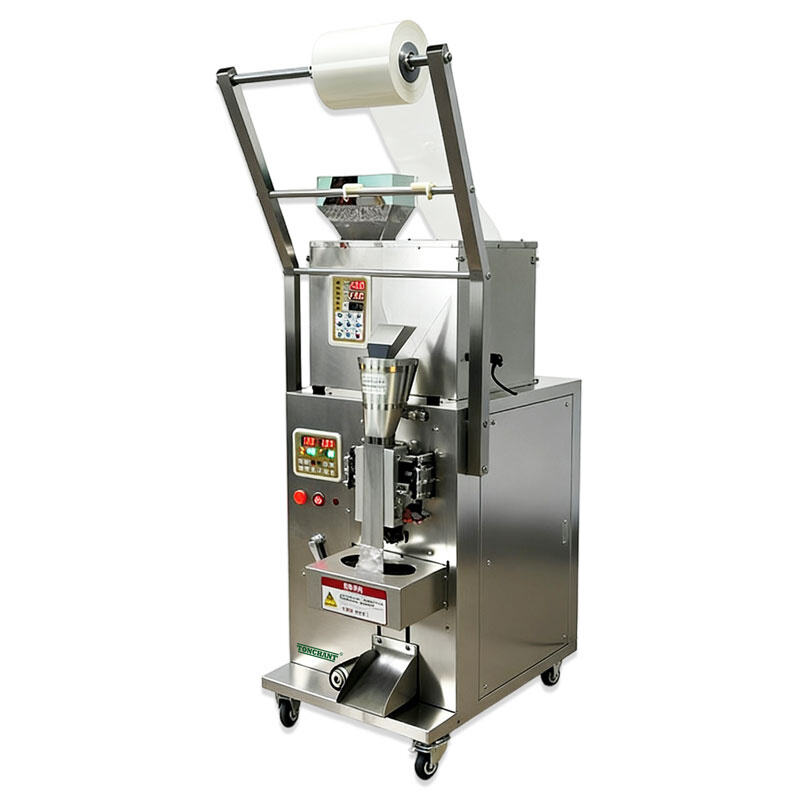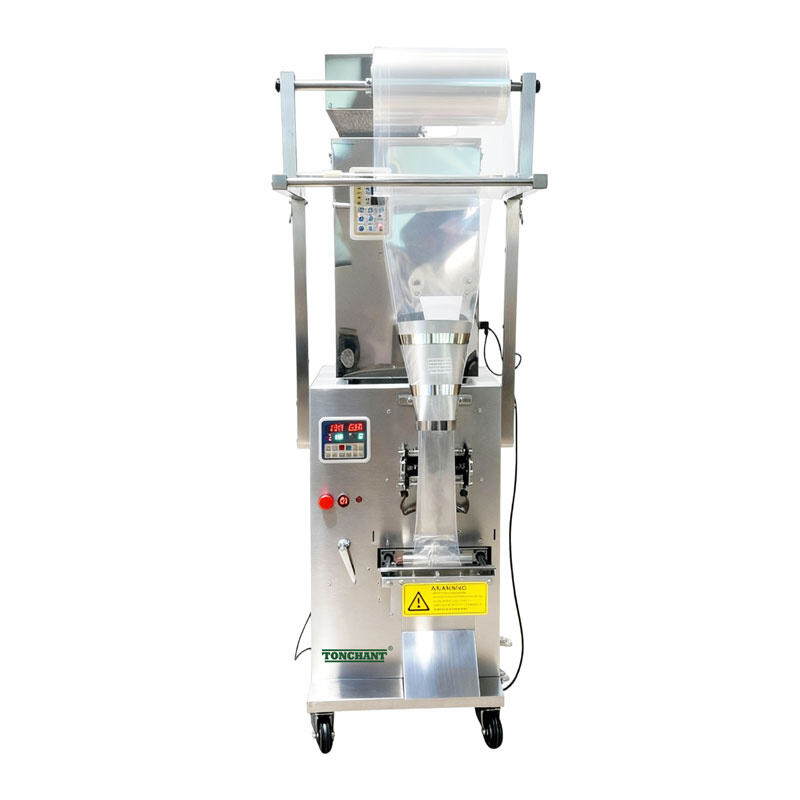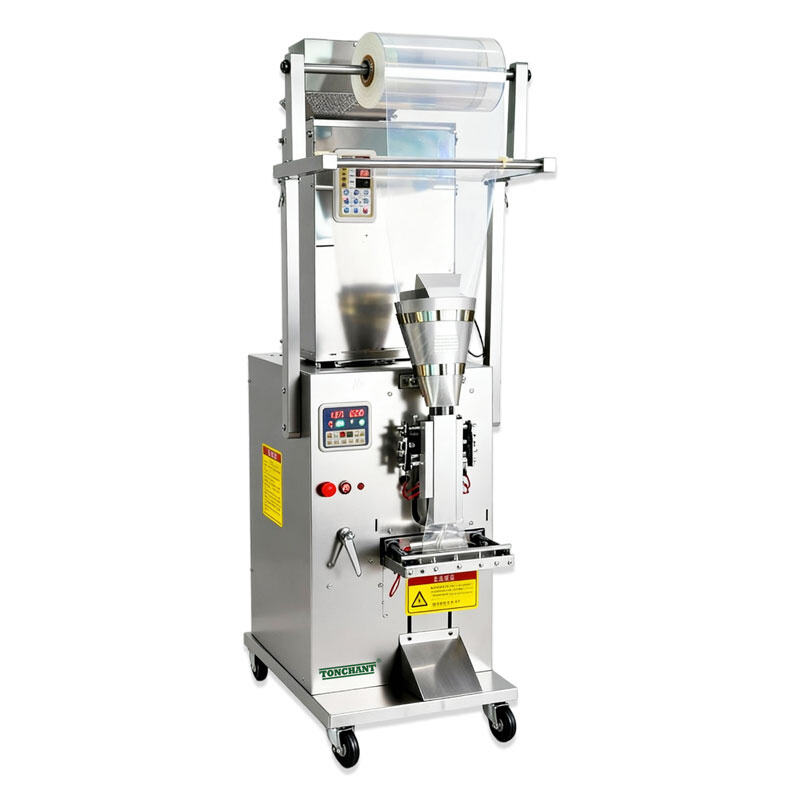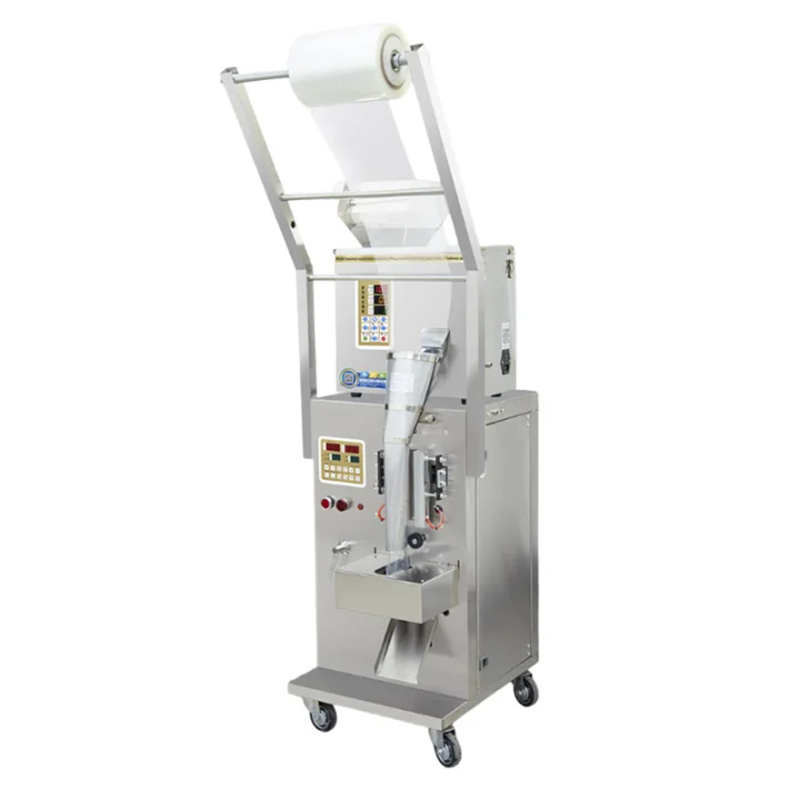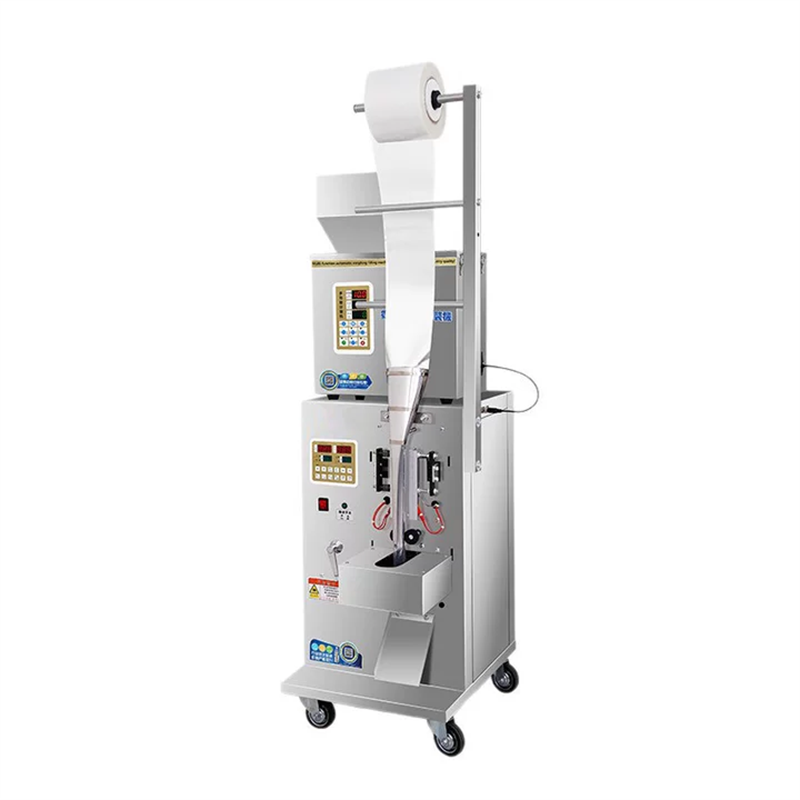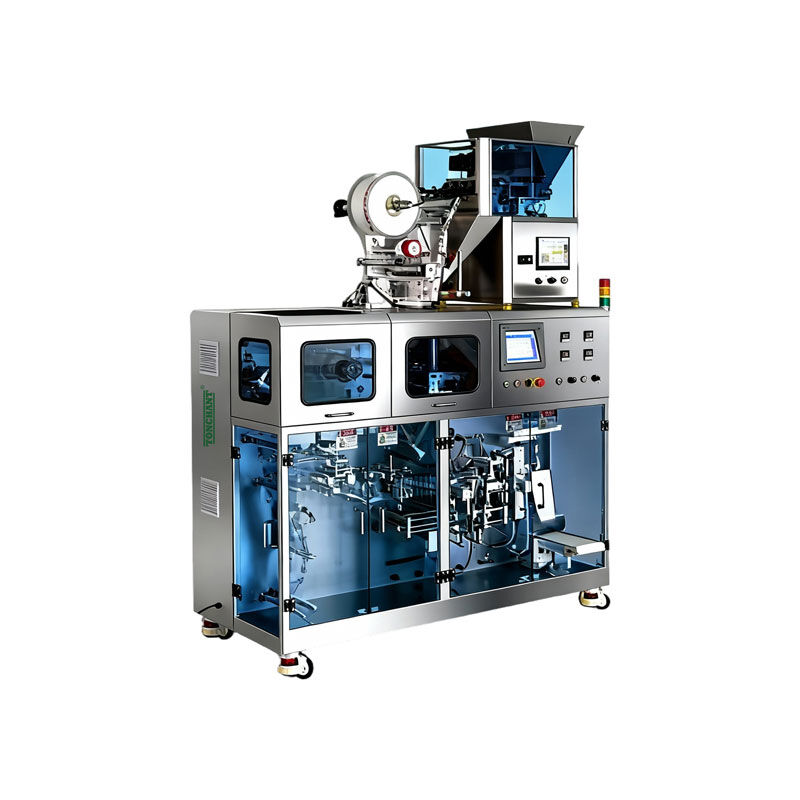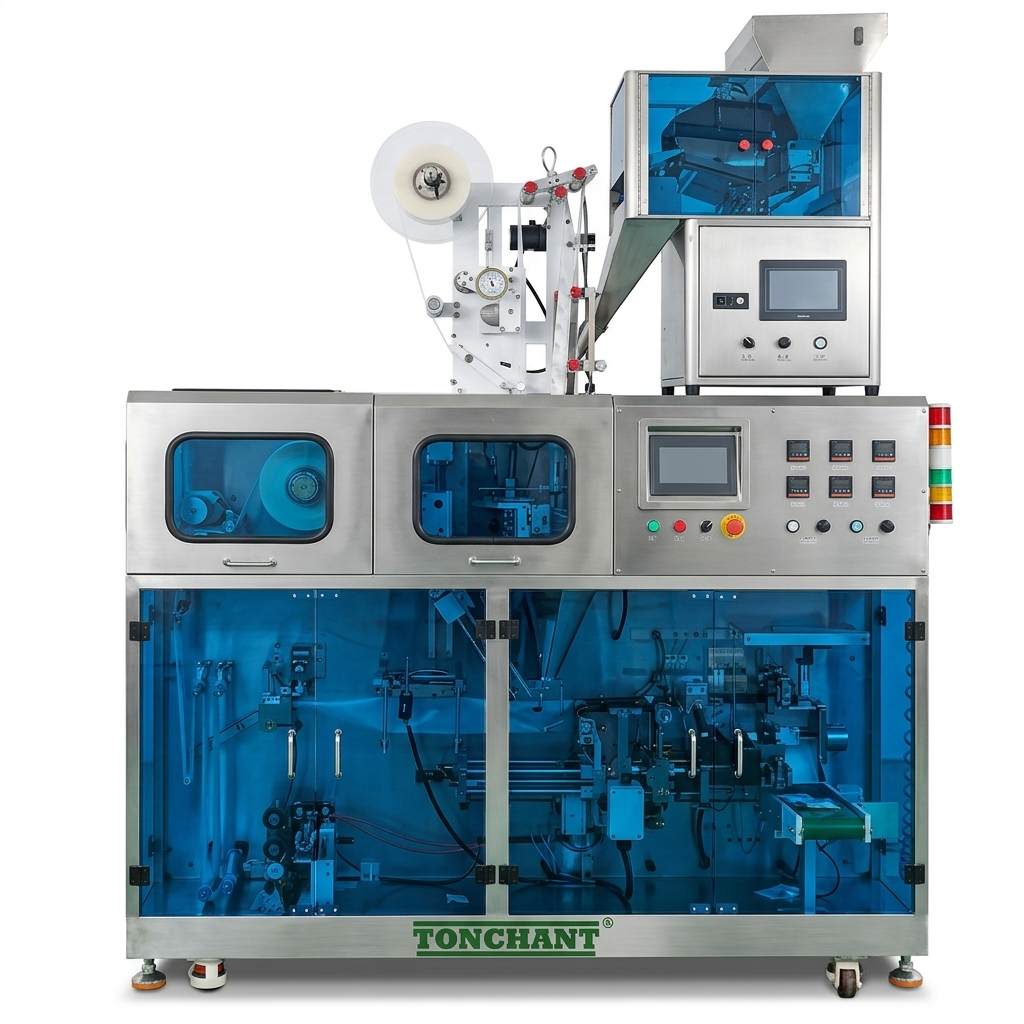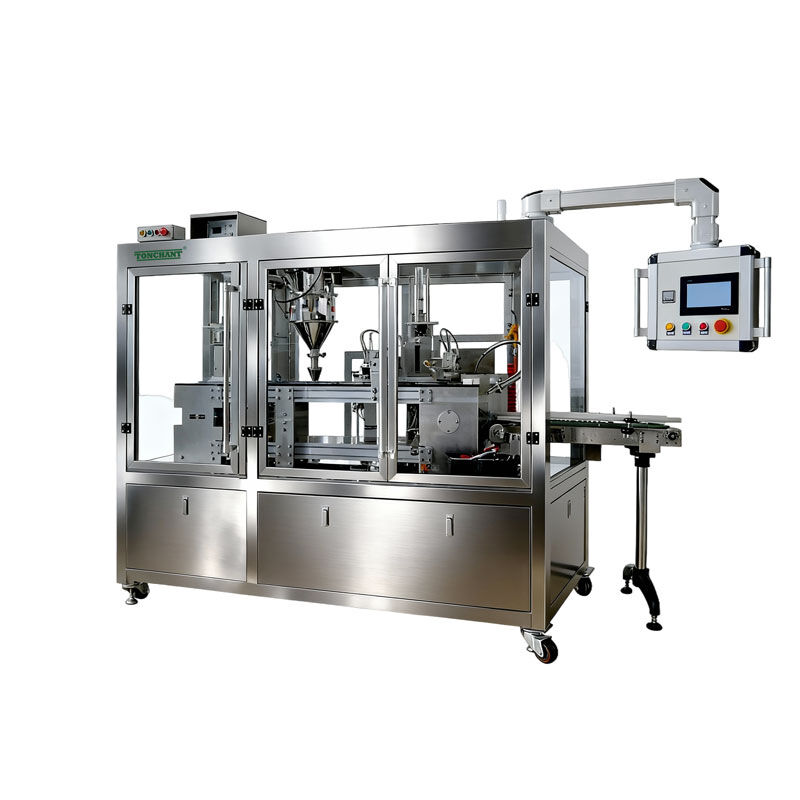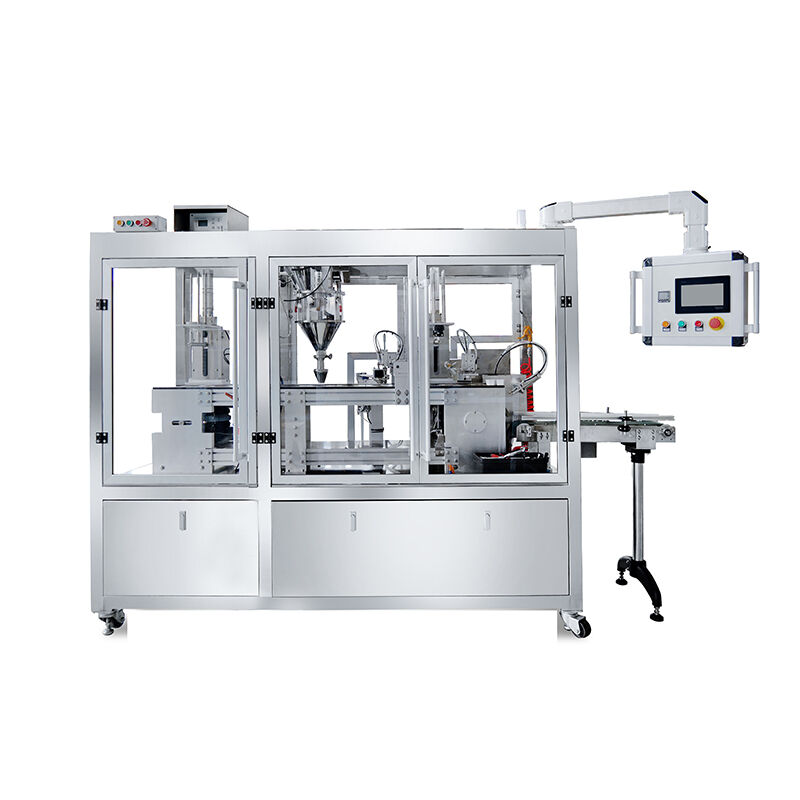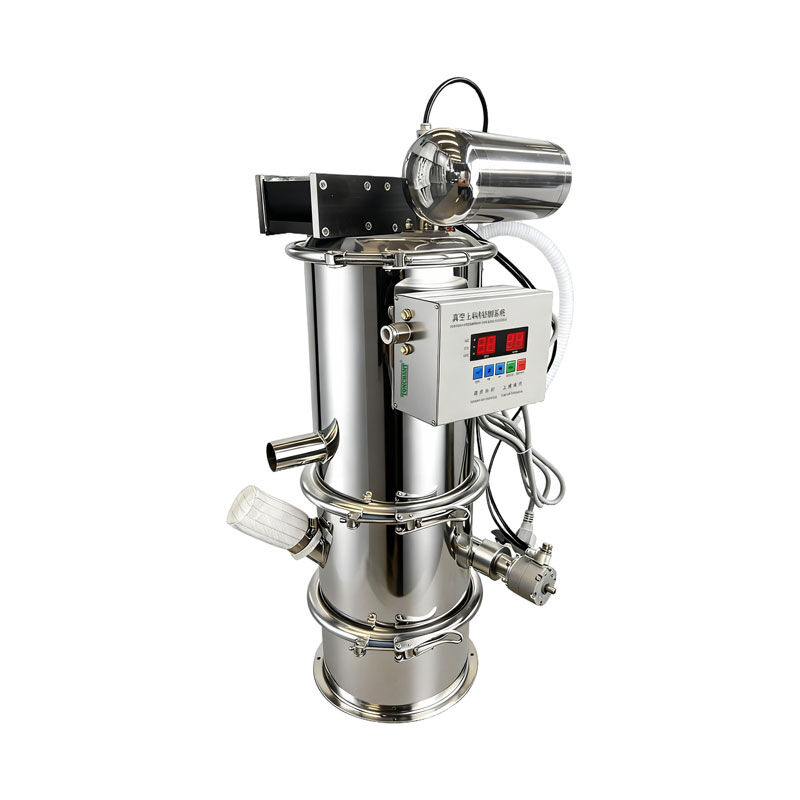
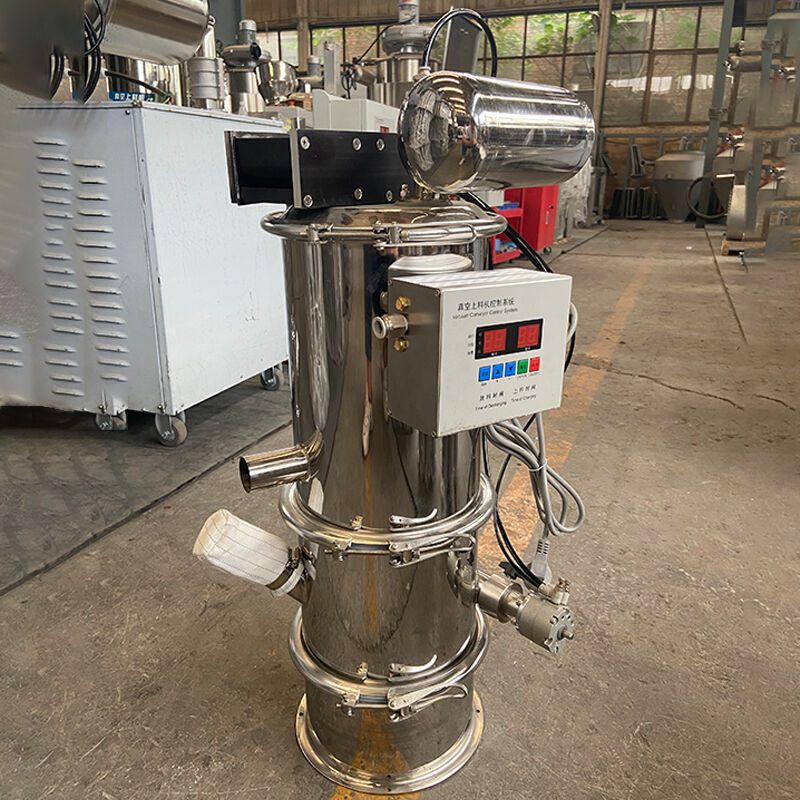
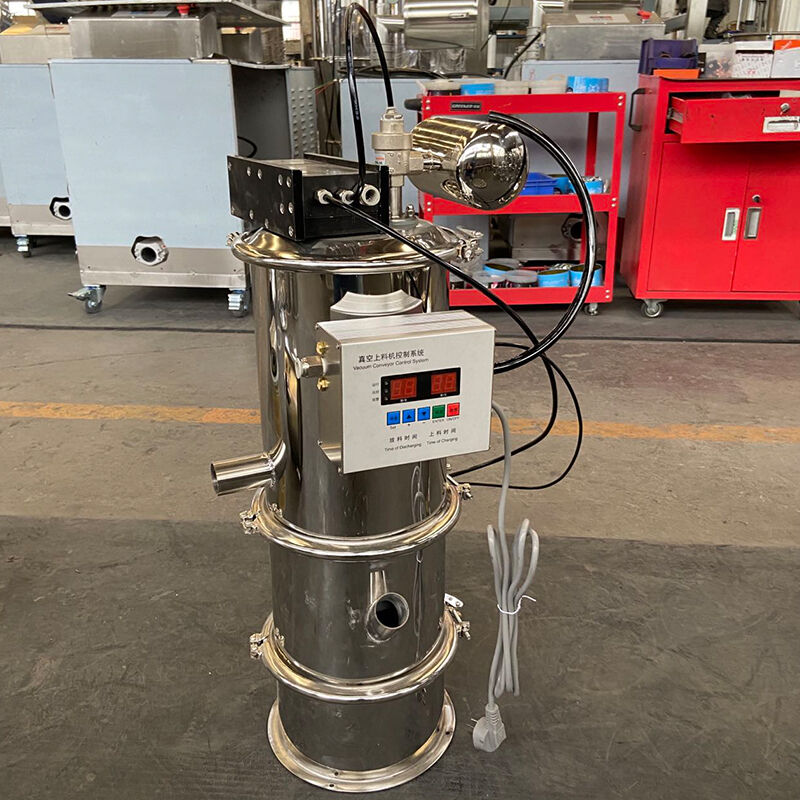
The vacuum feeder works by using vacuum adsorption to draw material from the feed hopper through a pipe into the target equipment. Simultaneously, it filters impurities through a filter element and cleans the pipes through a backflushing system, ensuring a smooth and clean conveying process. Vacuum feeders are available in two models: Model One and Model Two. Model One is lighter, while Model Two offers more powerful performance. The appropriate model can be selected based on different application scenarios.
| Vacuum Feeder | ||
| Model | Model One | Model Two |
| Power Supply (V) | 220V | 220V |
| Hopper Volume (L) | 1.1L | 4.1L |
| Working Pressure (Mpa) | 0.6-0.8Mpa | 0.6-0.8Mpa |
| Hopper Overall Dimension(mm) | Φ140×490mm | Φ213×790mm |
| Rotation Speed (RPM) | 1400RPM | 1400RPM |
| Name | Quantity | Model One | Model Two | |
| Filter Element | Stainless Steel Filter Element | 4 pieces | Φ40×100 | φ60×130 |
| Compressed Air Backblowing System | Backblowing Valve | 1 set | Self-made | / |
| Pneumatic Components | 1 set | AirTAC | / | |
| Backblowing Air Bag | 1 piece | / | Self-made | |
| Discharging System | Rotary Cylinder | 1 piece | SMC | / |
| Vane Type Swing Cylinder | 1 piece | / | SMC | |
| Discharging Door | 1 set | Self-made | Self-made | |
| Stainless Steel Feeding Bucket | 1 piece | 304 Stainless Steel | 304 Stainless Steel | |
| Suction Pipeline | 5m | Φ25, PVC Steel Wire Hose | Φ38, PVC Steel Wire Hose | |
| Control Box | Circuit Board | 1 set | Self-made | Self-made |
| Transportation Package Type | Wooden Case | |||
| Shipping Method | Logistics Land Transportation | |||
| Remarks | Customization for non-standard special requirements shall be negotiated and confirmed with our company's business personnel. | |||
Q1: What are the key differences between Model No.1 and Model No.2 of the vacuum feeder?
A1: The core differences lie in capacity and size:
Model One: Lighter design with 1.1L hopper volume, Φ140×490mm hopper dimensions, and Φ25 PVC steel wire suction pipeline, suitable for small-scale, low-volume material conveying.
Model Two: Higher performance with 4.1L hopper volume, Φ213×790mm hopper dimensions, and Φ38 PVC steel wire suction pipeline, ideal for large-volume, high-efficiency conveying scenarios.
Both share the same working pressure (0.6-0.8Mpa), power supply (220V), and rotation speed (1400RPM).
Q2: What types of materials can this vacuum feeder convey?
A2: It is designed for conveying powder or granular materials, such as food ingredients, pharmaceutical powders, chemical additives, and industrial granules. The 304 stainless steel feeding bucket ensures material cleanliness, making it suitable for industries with hygiene requirements (e.g., food, medicine).
Q3: What are the core components of the vacuum feeder, and are they replaceable?
A3: Key components include stainless steel filter elements (4 pieces per unit), compressed air backblowing system (backblow valve/air bag), pneumatic parts (AirTAC brand for No.1, SMC cylinders), suction pipeline, and self-made control box. All standard components are replaceable, and the manufacturer provides compatible spare parts; non-standard customization requires negotiation with the sales team.
Q4: What are the installation and transportation requirements for the vacuum feeder?
A4: - Installation: It requires a 220V power supply and a compressed air source matching 0.6-0.8Mpa; the 5-meter suction pipeline allows flexible layout between the feed hopper and target equipment.
Transportation: Both models are packaged in shockproof and moisture-proof wooden cases, shipped via land logistics. Ensure the equipment is placed stably during unpacking to avoid damage to precision components (e.g., cylinders, circuit boards).
Q5: How to maintain the vacuum feeder to ensure long-term stable operation?
A5: 1. Regularly clean the stainless steel filter element to prevent clogging from material residues, ensuring smooth air circulation.2. Check the tightness of the suction pipeline and connections periodically to avoid air leakage affecting conveying efficiency.3. Inspect the pneumatic components (valves, cylinders) for wear or air leakage, and replace aging parts in a timely manner.4. Keep the control box dry and free of dust to protect the circuit board from malfunctions.
Q6: Can the vacuum feeder be customized for special application scenarios?
A6: Yes. For non-standard requirements (e.g., longer suction pipeline, larger hopper volume, special material compatibility), please negotiate and confirm details with the company’s business personnel in advance. The manufacturer supports customized modifications based on actual working conditions.
Q7: What should I do if the material conveying speed is slow or the system fails to absorb materials?
A7: 1. Check if the compressed air pressure meets 0.6-0.8Mpa; insufficient pressure is the main cause of slow conveying. 2. Inspect the filter element for clogging and clean or replace it if necessary. 3. Verify that the suction pipeline is not kinked, blocked, or leaking air. 4. Ensure the material particle size/powder fluidity is compatible with the pipeline diameter (Φ25 for Model One, Φ38 for Model Two); overly viscous or large materials may affect conveying.
You Might Also Like

 EN
EN