
 EN
EN
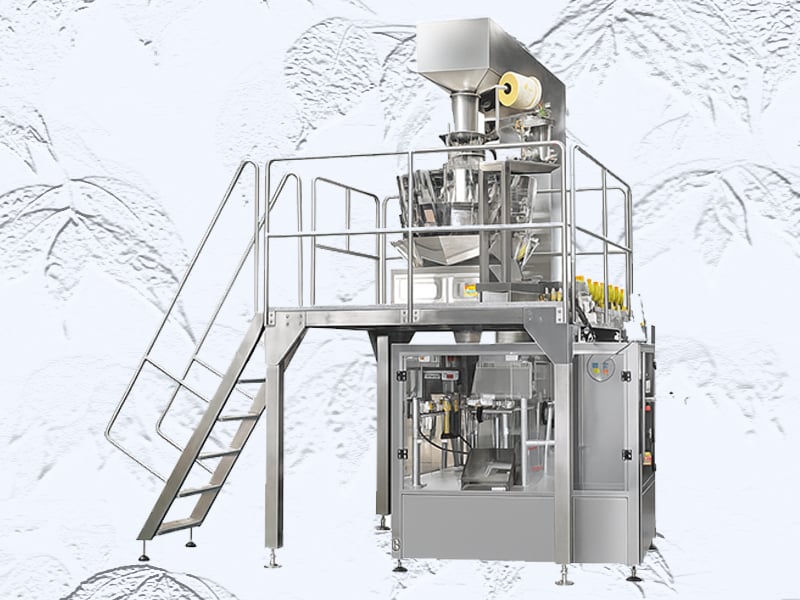
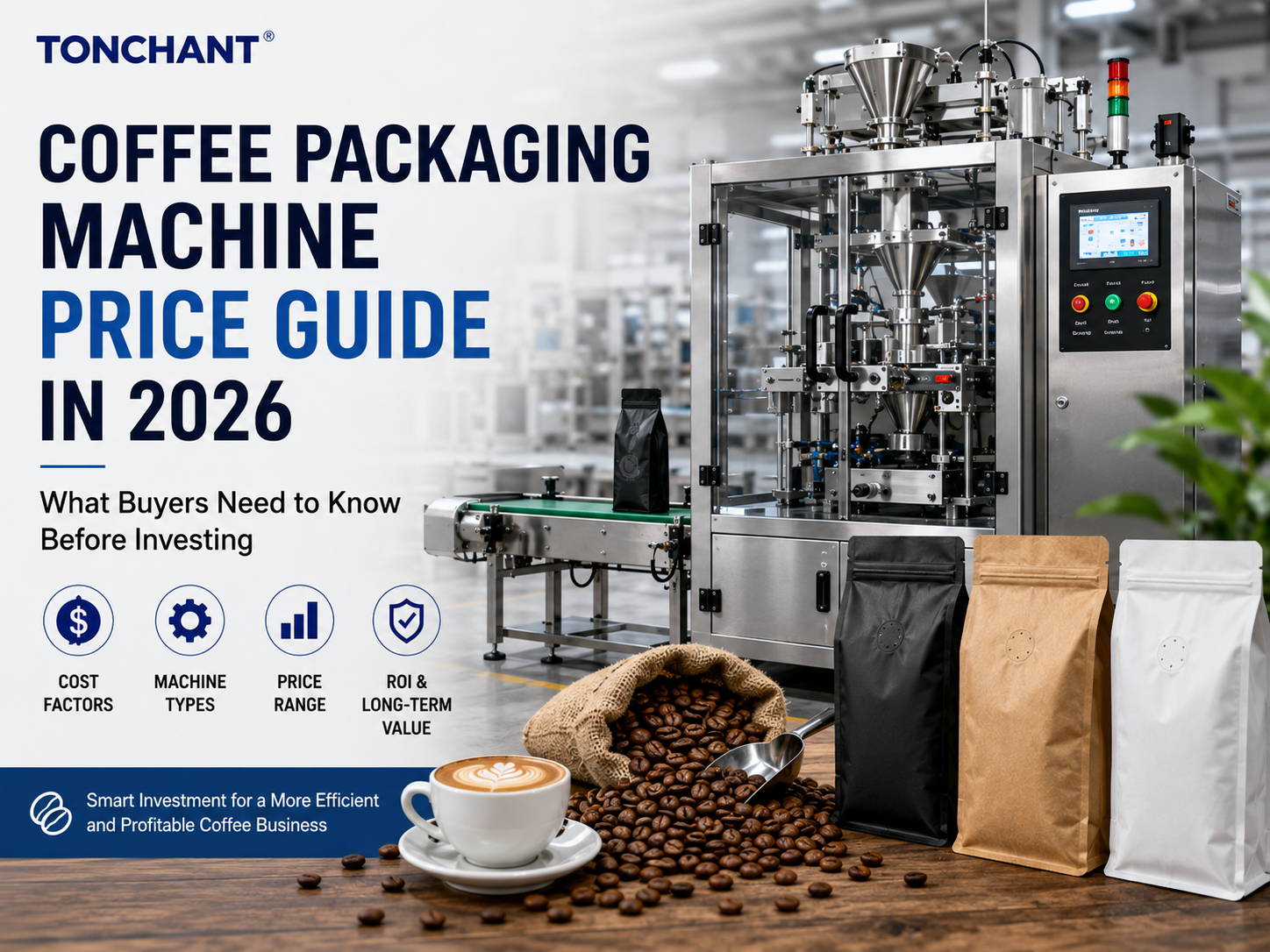
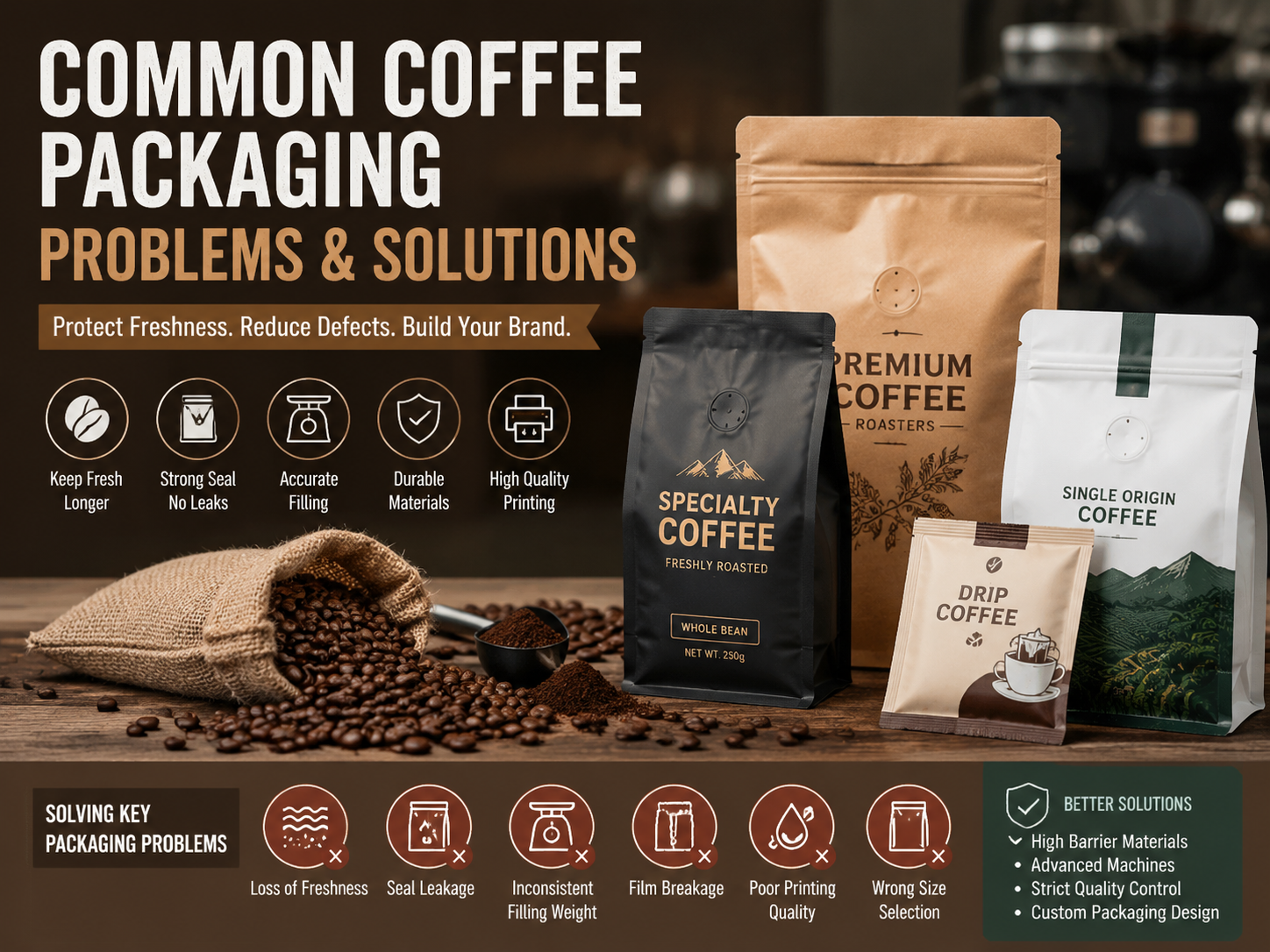
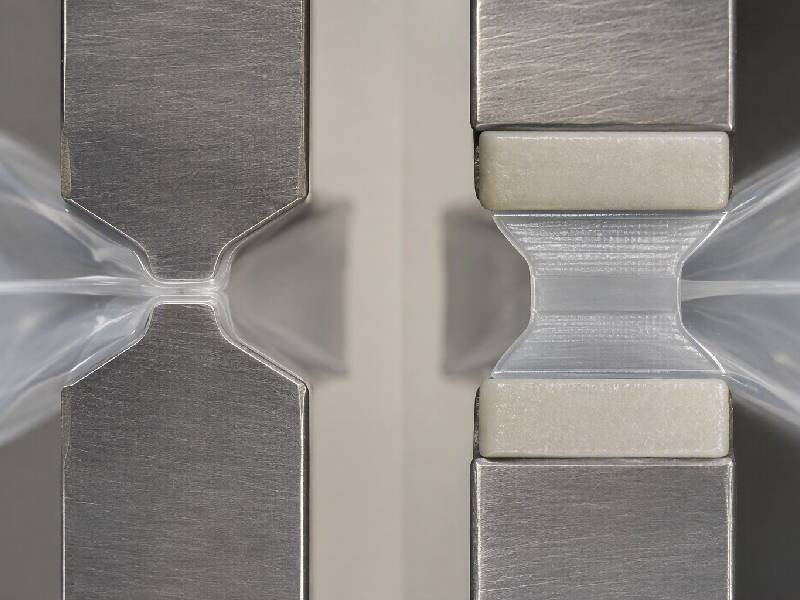
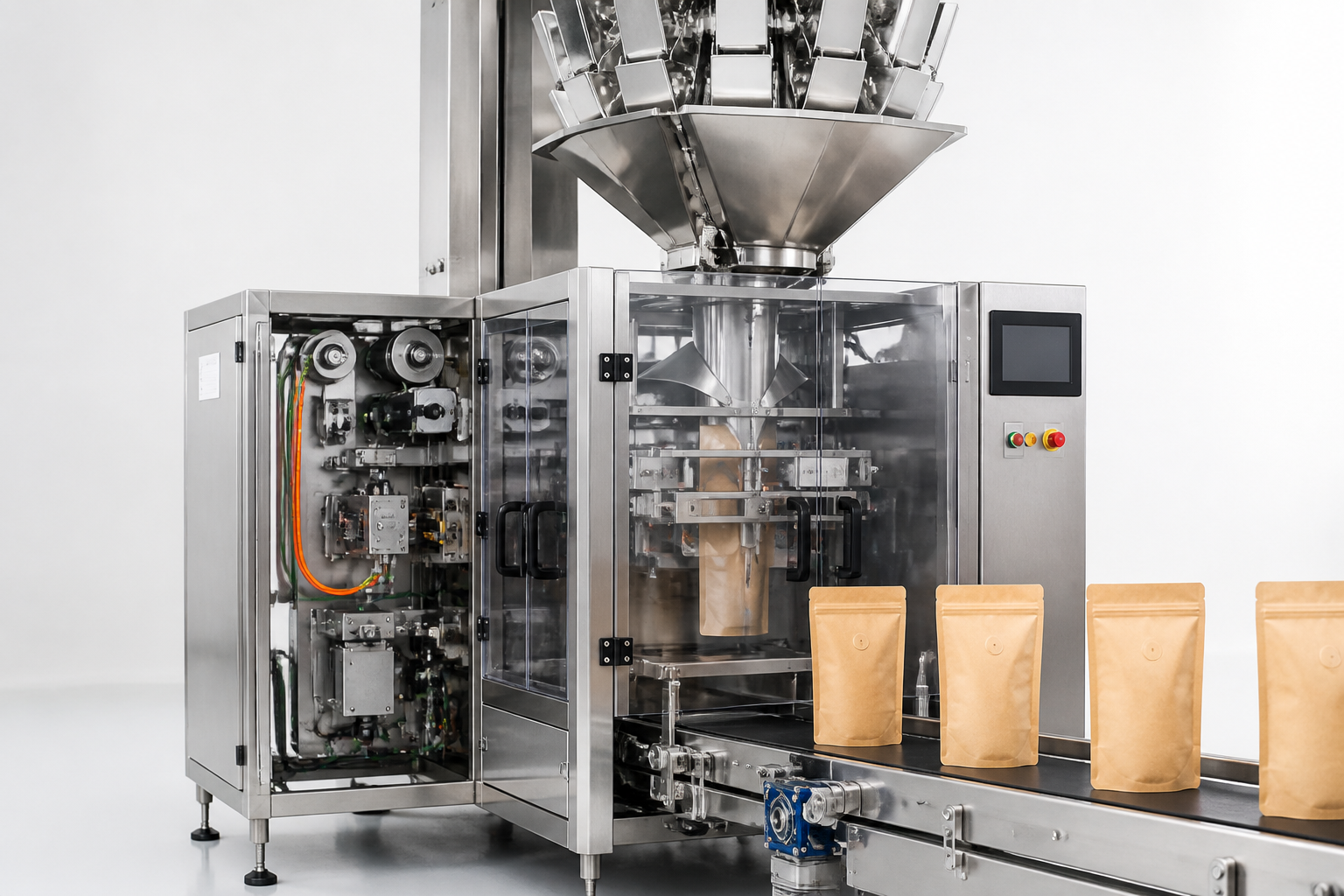
Packaging whole coffee beans presents challenges that ground coffee does not. Beans are dense, irregularly shaped, and subject to degassing — the CO₂ release that continues for days after roasting. A poorly designed bean packing machine will crack beans during filling, fail to achieve a consistent seal due to degassing pressure, or produce bag weights that drift outside acceptable tolerances. For roasters expanding from hand-sealing to automated production, or factories looking to replace aging equipment, this guide covers the key decisions you need to make before purchasing a coffee bean packing machine.
Automation Level: Matching Your Volume
The first decision is not which brand to buy — it is which automation level matches your current and near-future production volume.
| Automation Level | Typical Speed | Best For | Investment Range |
| Manual sealer | 5–15 bags/min (operator-dependent) | Startup roasters, <500 bags/day | Lowest |
| Semi-automatic | 15–35 bags/min | Growing brands, 500–3,000 bags/day | Mid |
| Fully automatic (pre-made bag) | 35–80 bags/min | Established factories, >3,000 bags/day | Higher |
| High-speed rotary automatic | 80–120 bags/min | Industrial-scale production | Highest |
For most craft roasters entering their first automated system, a semi-automatic or entry-level fully automatic machine in the 100–1,000 g filling range is the right starting point. This range covers the most commercially significant retail bag formats: 200 g, 250 g, 340 g, 500 g, and 1,000 g.
Pre-Made Bag vs. Form-Fill-Seal: Choosing Your Format
Coffee beans are most commonly packaged in two configurations:
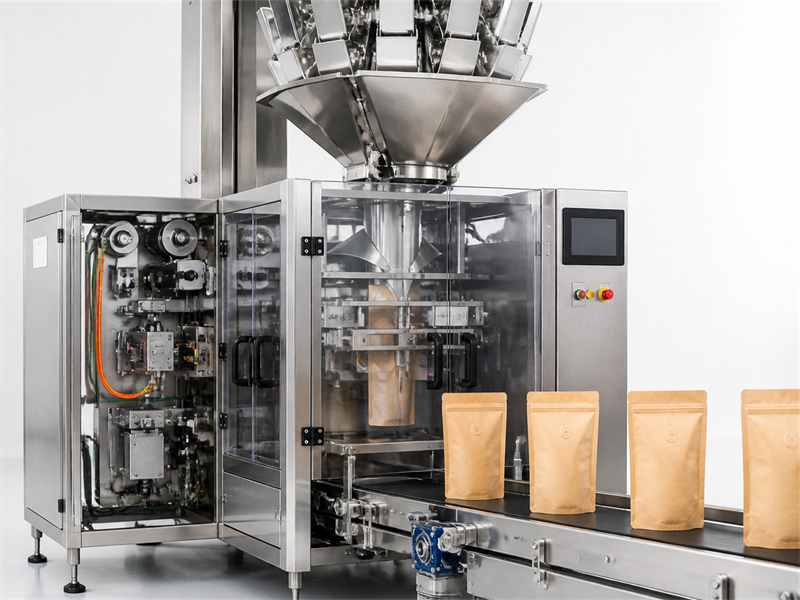
Pre-Made Bag (PMB) systems accept flat-bottom, stand-up, or side-gusset pouches pre-manufactured by a bag supplier. The machine opens the bag, fills it with beans by weight, and seals it. PMB systems offer premium presentation options — including zipper closures, degassing valves, and kraft paper materials — which align with specialty coffee retail standards. This is typically the recommended format for brands selling to independent cafes or retail channels.
Form-Fill-Seal (FFS) systems create the bag from a roll of film, fill it, and seal it in one inline process. FFS machines offer lower per-bag material cost and higher throughput but are less flexible for specialty packaging formats.
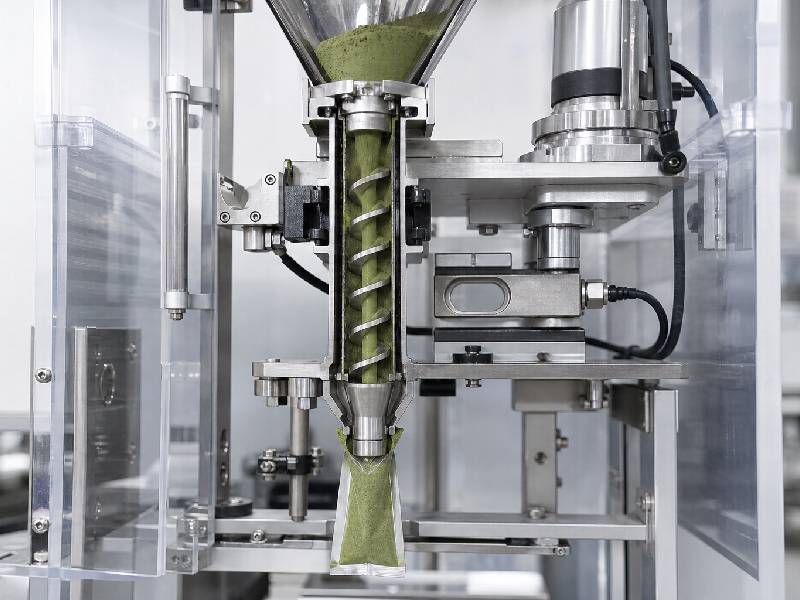
Tonchant's coffee bean packing machine line is built on the pre-made bag platform, with support for bag widths from 100 mm to 400 mm and a weight range of 100–1,000 g. The filling system uses a weight-based measuring mechanism to maintain ±1.5% accuracy across all bean types, including high-density Robusta and lighter-roast specialty single-origins.
Handling Beans Without Breaking Them
Bean breakage during automated packaging is a measurable quality problem. Broken beans accelerate oxidation, create particle fines that pass through grinder burrs inconsistently, and reduce the visual quality of transparent-window retail bags. The critical engineering detail here is the feeding and transfer system.
Gentle Feeding Mechanisms
The best coffee bean packing machines use gravity-assisted feeding with low drop heights combined with vibration-dampened weigh hoppers. Avoid machines that rely on high-speed auger screws to move beans — the shear force generated cracks delicate light roasts at measurable rates.
Tonchant's pre-made bag bean packing machines are calibrated to minimize drop height during transfer, keeping breakage rates below 0.3% on standard Arabica beans in factory-condition testing.
Degassing Valves and Nitrogen Flushing
Specialty coffee packaged within 24–72 hours of roasting requires CO₂ management. There are two standard approaches:
• Degassing valve integration — the machine applies a one-way valve to each bag, allowing CO₂ to escape without allowing oxygen in
• Nitrogen flushing — the machine injects nitrogen gas into the bag before sealing, displacing oxygen and extending shelf life to 12–18 months
Both features can be added as modular options to Tonchant's coffee bean packing machines. Nitrogen flushing is standard on orders for clients shipping to export markets (EU, US, Japan) with freshness shelf-life requirements exceeding six months.
Conclusion & Next Step
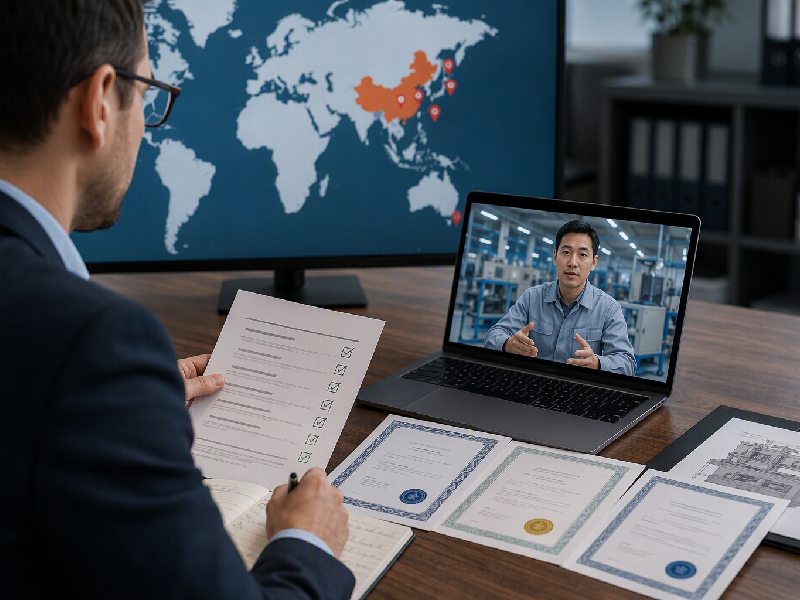
A coffee bean packing machine purchase is an investment in your brand's freshness promise. Define your daily bag target, choose the right format (pre-made bag is recommended for specialty channels), confirm that your machine handles gentle bean transfer, and verify the supplier's CE and ISO 9001 certification before committing.
> Ready to source a verified coffee bean packing machine with proven OEM capability?
> Request a free FOB quote and machine spec sheet within 24 hours →
> Or WhatsApp us directly: +86 180 7299 9224