
 EN
EN
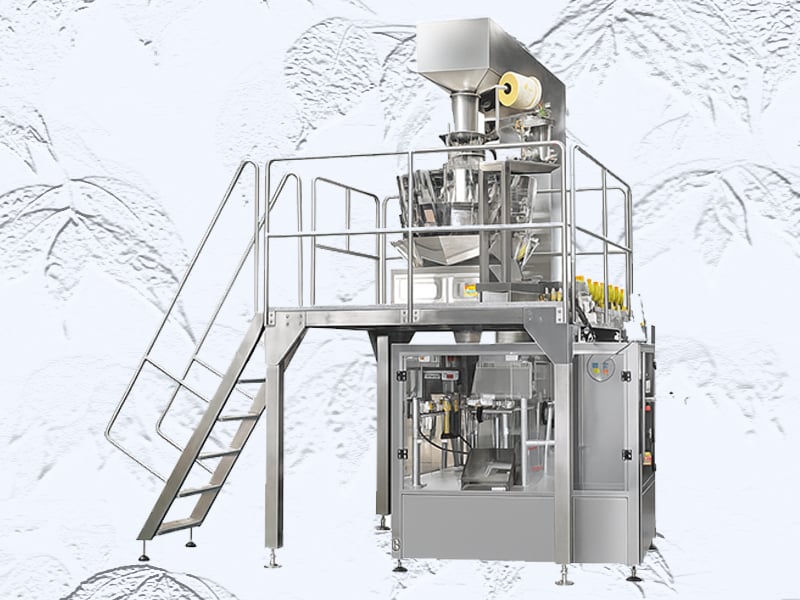
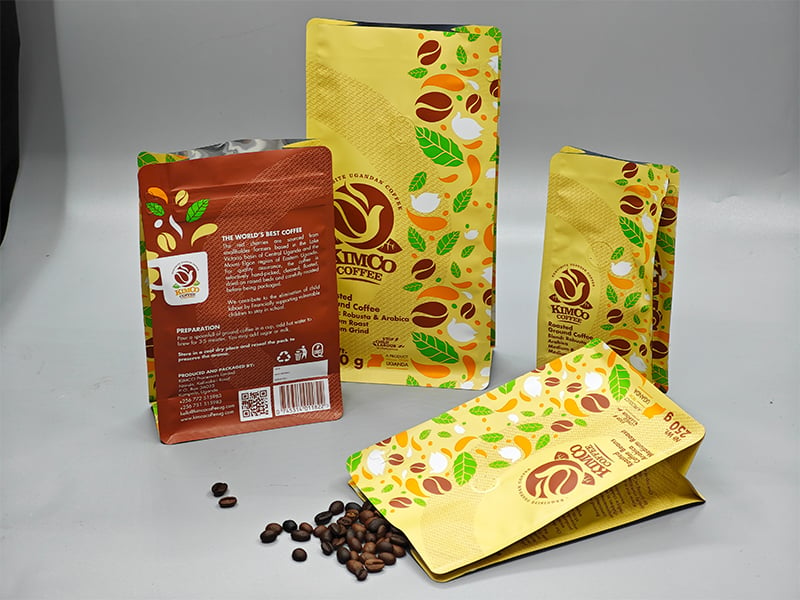
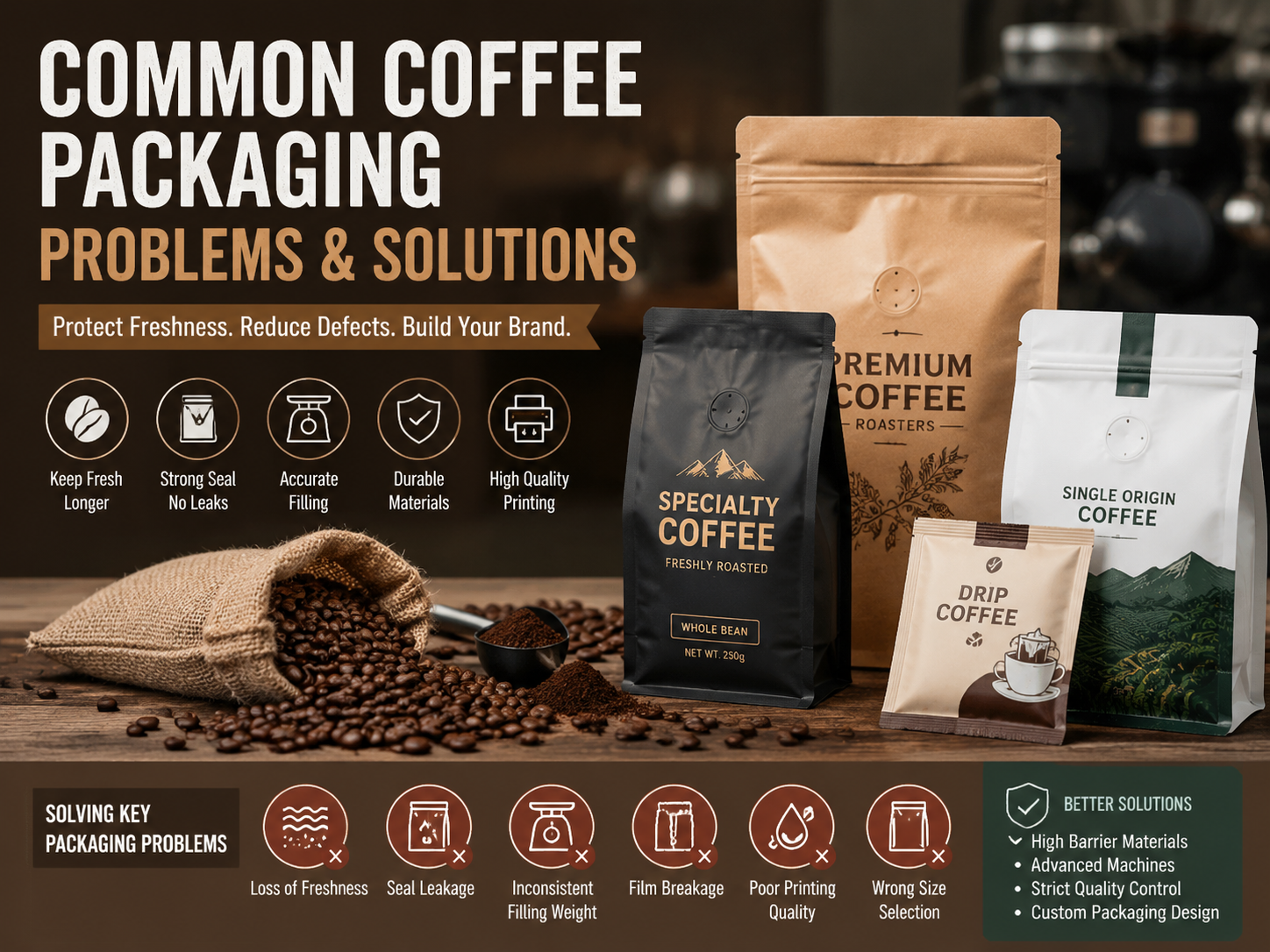
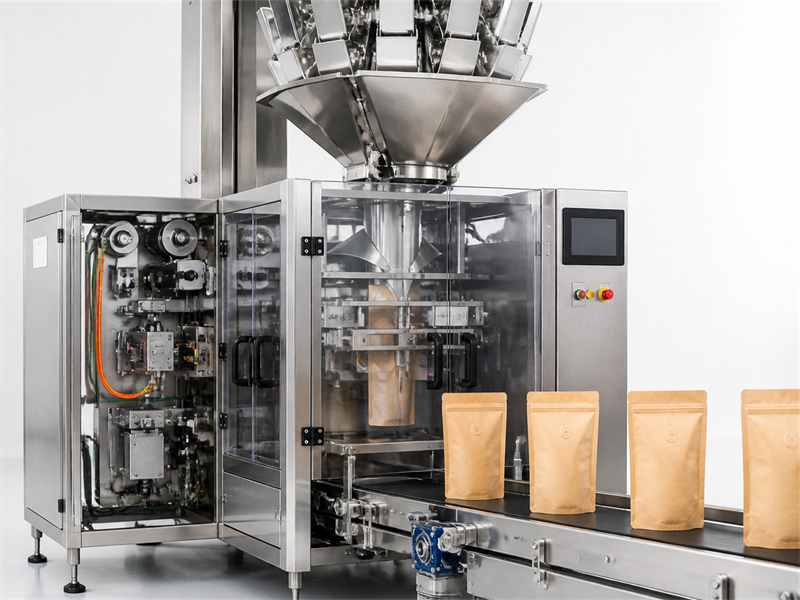
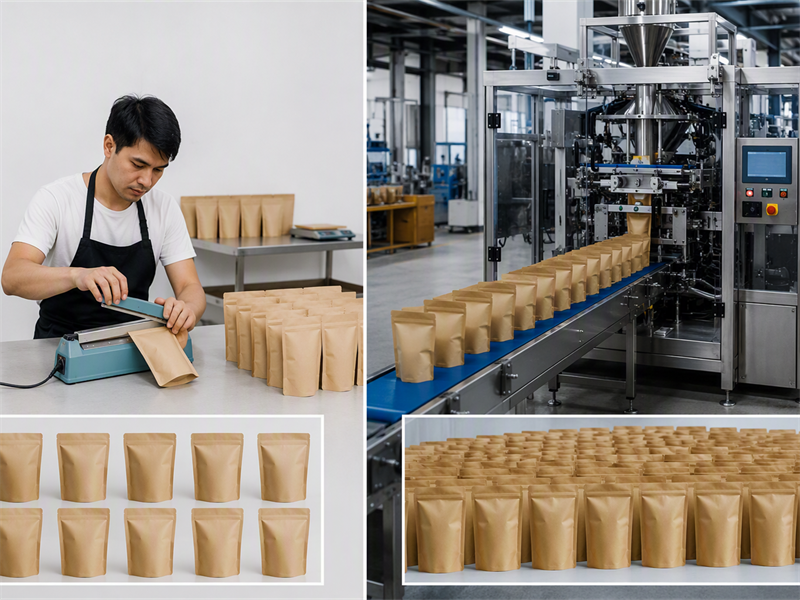
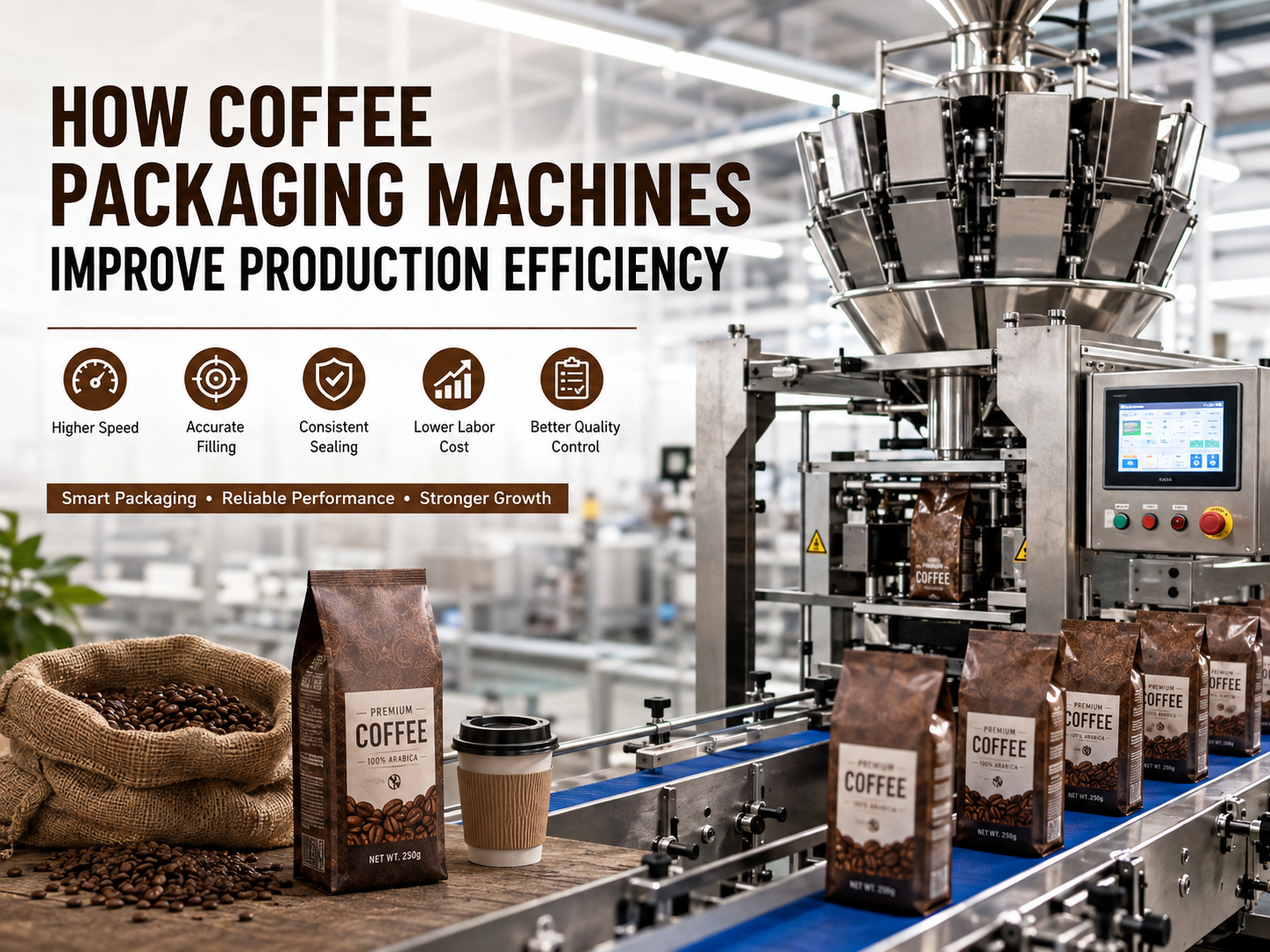

The seal is the last line of defense between your product and the oxygen, moisture, and light that degrade freshness. A seal failure in a coffee bag is not a cosmetic defect — it is a product freshness failure, a potential retail complaint, and in regulated markets, a compliance issue. For any operation running an auto sealing machine, the choice between heat-seal and ultrasonic technology is a decision that has direct consequences for product quality, packaging material compatibility, and long-term maintenance costs. This guide explains the operational difference between the two technologies and identifies which is the better fit for specific coffee and tea packaging applications.
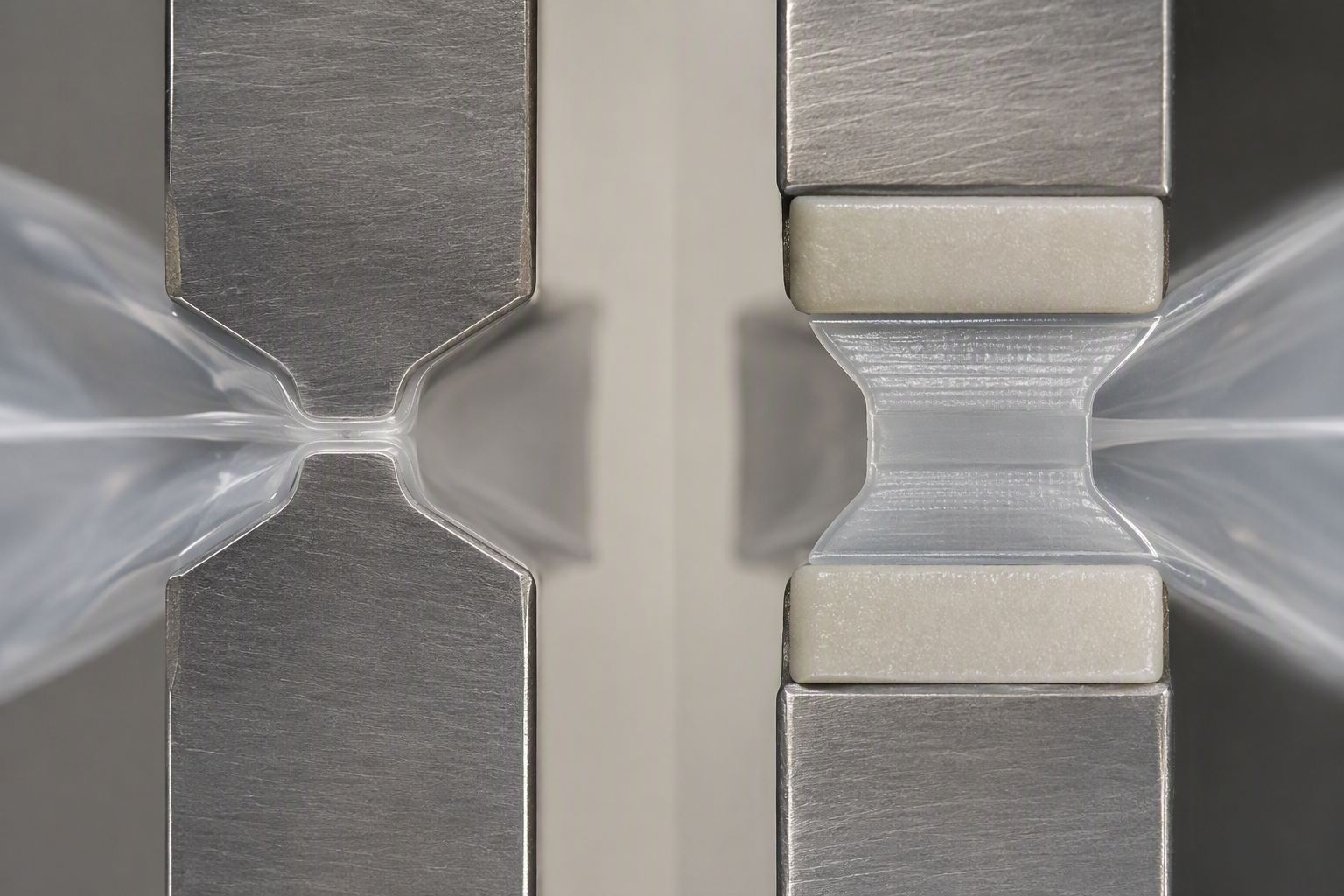
How Heat-Seal Technology Works
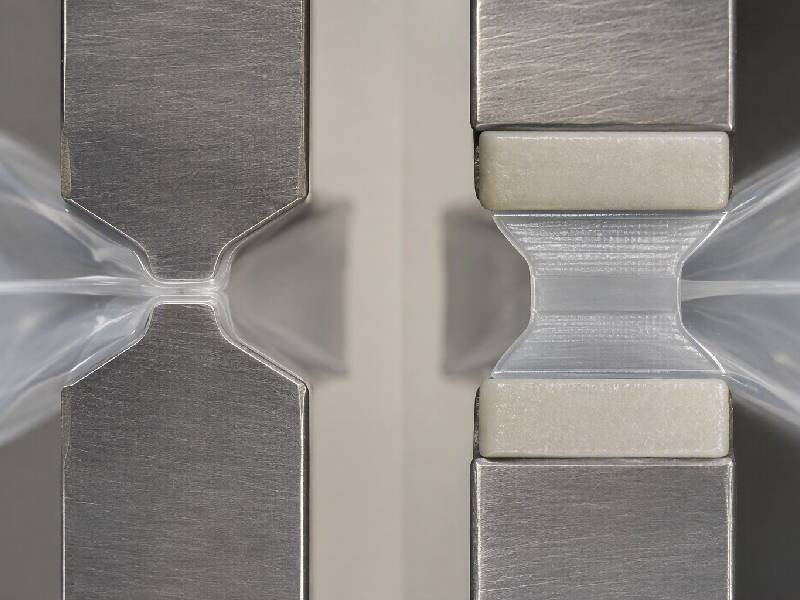
Heat sealing uses two metal sealing bars pressed against opposite sides of the packaging film, applying controlled temperature and pressure for a fixed dwell time (typically 0.3–1.2 seconds). The heat melts the inner sealant layer of the packaging film, bonding the two surfaces.
Advantages of heat-seal auto sealing machines:
• Lower equipment cost per unit
• Compatible with a wide range of standard packaging films (PE, OPP/PE, PET/PE, kraft/PE)
• Well-established technology; spare parts and service are widely available
• Suitable for most retail coffee and tea bag applications
Limitations:
• Temperature must be precisely controlled; drift causes either weak seals (too cold) or burning through the film (too hot)
• Less effective on textured or embossed films, or on packaging materials with high oil contamination on the sealing surface
• Not suitable for sealing through product contamination (e.g., granules caught in the seal area)
How Ultrasonic Sealing Technology Works
Ultrasonic sealing uses high-frequency vibration (typically 20–40 kHz) to generate localized heat at the molecular level within the packaging film. The vibrating horn presses against the film for a very short dwell time (0.1–0.5 seconds), melting only the contact interface.
Advantages of ultrasonic auto sealing machines:
• Seals through product contamination — ground coffee or tea dust caught in the seal area does not cause seal failure
• Lower operating temperature, reducing the risk of heat damage to the packaging film or nearby product
• Consistent seal quality regardless of ambient temperature variations on the production floor
• Suitable for specialty packaging materials including multi-layer foil laminates and certain biodegradable films
Limitations:
• Higher upfront equipment cost compared to equivalent heat-seal machines
• Requires skilled maintenance for the sonotrode (vibrating horn) and converter components
• Not suitable for all film materials (e.g., some thick PE structures are not compatible)
Which Technology Is Right for Your Application?
| Application | Recommended Technology | Rationale |
| Standard retail coffee powder bags (OPP/PE film) | Heat seal | Low contamination risk, high compatibility |
| Drip coffee inner bags (filter paper) | Heat seal | Low temperature requirement, filter paper compatible |
| Premium coffee bags with degassing valve (multi-layer foil) | Ultrasonic | Superior seal integrity on foil laminates |
| Tea bags (pyramid mesh, nylon) | Ultrasonic | Mesh requires controlled heat; ultrasonic prevents mesh burn |
| High-speed automated lines (>3,000 bags/hr) | Ultrasonic | Consistent seal quality at high speed without manual calibration |
| Startup with manual or semi-auto operation | Heat seal | Lower cost, easier operator training |
Tonchant Pack uses advanced heat-sealing technology as the standard across our powder and bean packing machine lines, and ultrasonic sealing on our tea bag pyramid machines, where the mesh material demands precise thermal control.
Maintenance Comparison
A critical factor in the lifetime cost of an auto sealing machine is the maintenance profile of the sealing system.
Heat-seal machines require periodic replacement of the sealing bar coatings (typically PTFE tape or silicone-coated elements), which are consumable items with a replacement cycle of 500,000–2,000,000 seals depending on operating conditions. Cost is low and the replacement is straightforward.
Ultrasonic systems require periodic calibration of the sonotrode and replacement of the converter (piezoelectric transducer) over a lifecycle of 5–10 million seals. The replacement cost is higher, but the extended interval between service events often offsets the cost over a 3–5 year production period.
Conclusion & Next Step
Choose heat-seal for standard film materials, lower volumes, and budget-sensitive applications. Choose ultrasonic for premium packaging formats, mesh or foil materials, or high-speed lines where seal consistency is non-negotiable. In either case, verify that the supplier offers documented warranty coverage on the sealing system components.
> Need help choosing the right sealing technology for your specific packaging material?
> Contact Tonchant Pack's engineering team for a free technical consultation →
> We'll assess your film specifications and recommend the optimal sealing configuration.