
 EN
EN
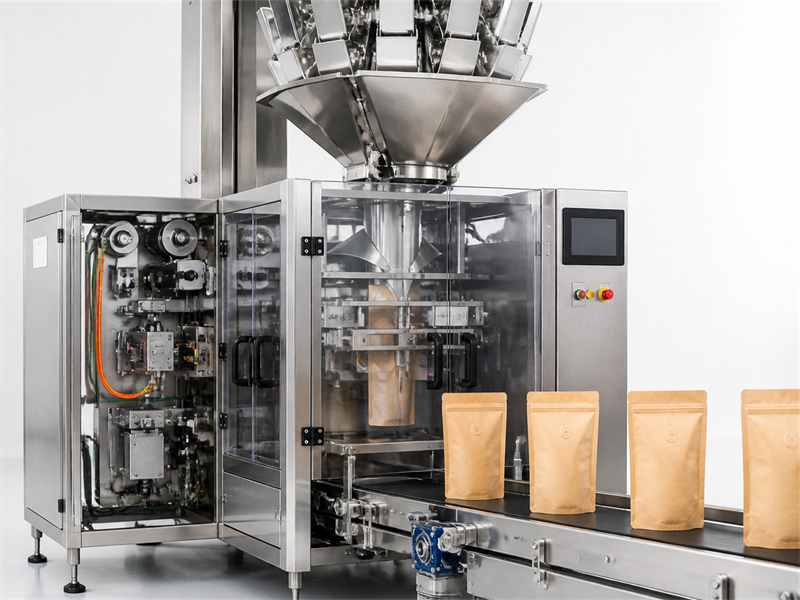
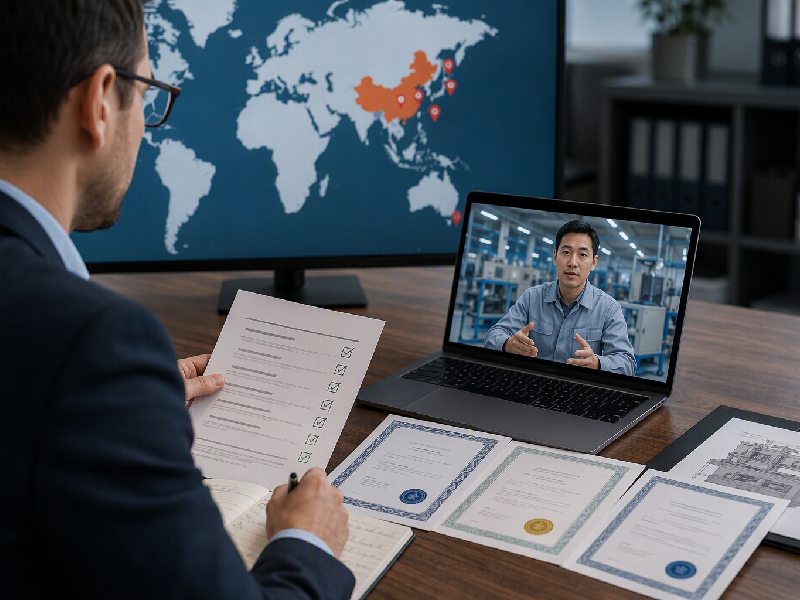
Global sourcing of packaging machinery is not a commodity procurement activity. Unlike purchasing raw materials where specification conformance is testable at delivery, a packing machine's performance can only be fully validated over the first 90–180 days of production — long after payment has been made and the supplier relationship has been established. For international buyers who cannot visit a factory repeatedly during production, or who are purchasing equipment for their first automated packaging line, the sourcing risk is meaningful. This article provides a structured 5-step framework that systematically reduces that risk without requiring in-person factory visits or an engineering team on the ground in China.
Step 1: Shortlist Suppliers Against Objective Criteria
Begin with objective filters rather than subjective evaluation. The first-pass shortlist should include only packaging machine suppliers who meet all of the following minimum criteria:
• CE certification (for EU export) or equivalent documentation for your target market
• ISO 9001 quality management system certification — not simply claimed, but with a current certificate number
• Minimum 10 years of manufacturing experience in your product category (coffee and tea, food, pharmaceuticals, etc.)
• Proven export history — verifiable through references, case studies, or publicly available trade data
• Dedicated after-sales infrastructure — documented, not described informally in sales conversation
This filter alone will eliminate a substantial portion of the market and dramatically reduce your evaluation workload.
Step 2: Request Standardized Technical Documentation
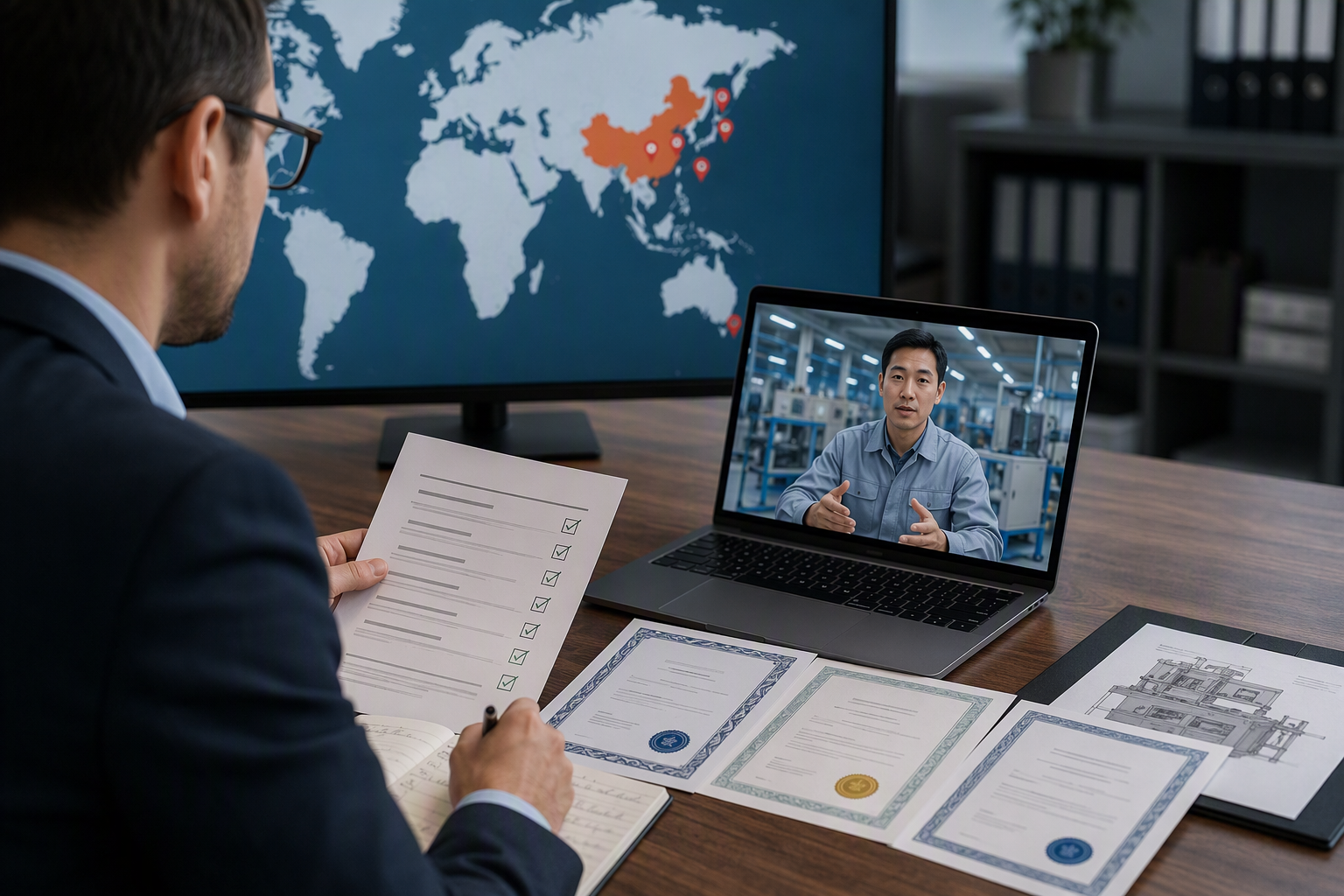
Once your shortlist is established (typically 3–5 suppliers), request a standardized documentation package from each. Comparing documentation quality is itself an evaluation step — suppliers who cannot produce clean, consistent technical documentation typically have equally inconsistent production processes.
Request documentation including:
• Full machine specification sheet (with electrical, pneumatic, and mechanical specifications)
• Certificate copies (CE, ISO, FDA) with certificate numbers
• Electrical diagram and BOM (bill of materials) — verifiable indicators of engineering maturity
• Wiring diagram and PLC program overview
• Spare parts catalog with estimated consumption life per component
Step 3: Conduct a Real-Material Test — Remotely or In-Person
This step is non-negotiable for any purchase above USD 10,000. A real-material test — where your actual product (coffee, tea, powder) is run through the machine before shipment — validates that the machine performs to specification with your specific material characteristics.
Most buyers conduct this test via video call, watching a live machine run with their product at the supplier's factory. For materials with specific density, flowability, or fragility characteristics (high-oil coffee beans, whole-leaf tea, ultra-fine matcha), the test run should include:
• At least 30 minutes of continuous production
• A minimum of 100 bags sampled for weight accuracy (result: ±% deviation from target fill weight)
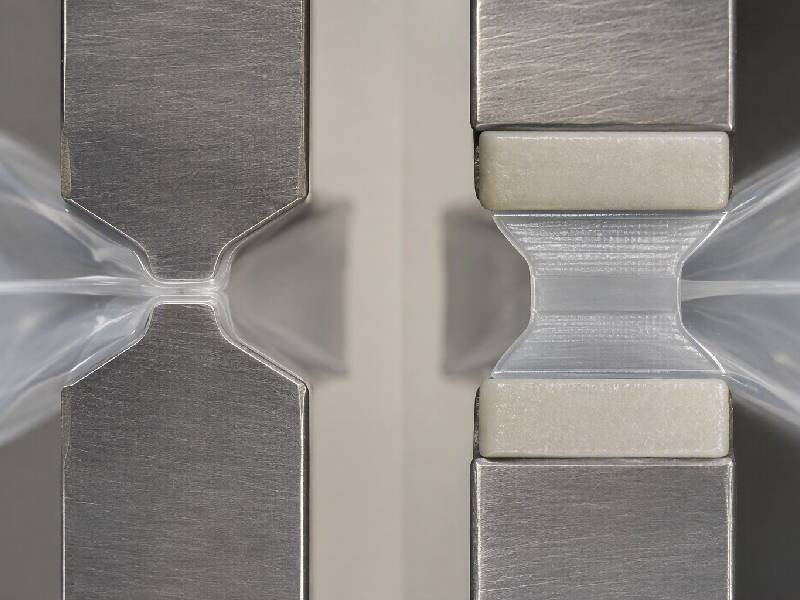
• A seal integrity test (visual inspection + manual peel test on at least 20 seals)
• A speed verification over a minimum 10-minute continuous run
Step 4: Verify Payment and Delivery Terms
The standard payment structure for packaging machinery purchased from China is:
• 30% deposit on order confirmation
• 70% balance before shipment (confirmed by Bill of Lading copy)
Alternative structures include L/C at sight, or Alibaba Trade Assurance (which provides independent escrow for payments made through the Alibaba platform). Trade Assurance is a meaningful risk reduction tool — it allows buyers to raise a dispute and recover funds if the product does not match the specification agreed at purchase.
Verify that the supplier is willing to use Trade Assurance or equivalent escrow for your first purchase. A supplier who refuses structured payment protection is a risk indicator.
Step 5: Establish a Spare Parts Agreement Before Shipping
This step is overlooked by most first-time buyers and creates the largest operational risk post-purchase. Once the machine is installed, the critical variable is not the machine price — it is the cost and speed of obtaining spare parts when a component fails.
Before shipping, establish in writing:
• A list of fast-wearing consumable parts (sealing elements, drive belts, forming dies) and their unit costs
• The supplier's commitment to shipping spare parts within a specified number of business days
• Confirmation that spare parts will be available for a minimum of 5 years from the date of purchase
Tonchant Pack provides a lifetime spare parts supply commitment at cost price for all machines sold. Our standard spare parts shipment timeline is 3–7 business days internationally.
> Ready to begin a structured supplier evaluation for your packaging equipment purchase?
> Contact Tonchant Pack to receive full certification documentation and machine specs →
> Free consultation. Response within 24 hours.