
 EN
EN
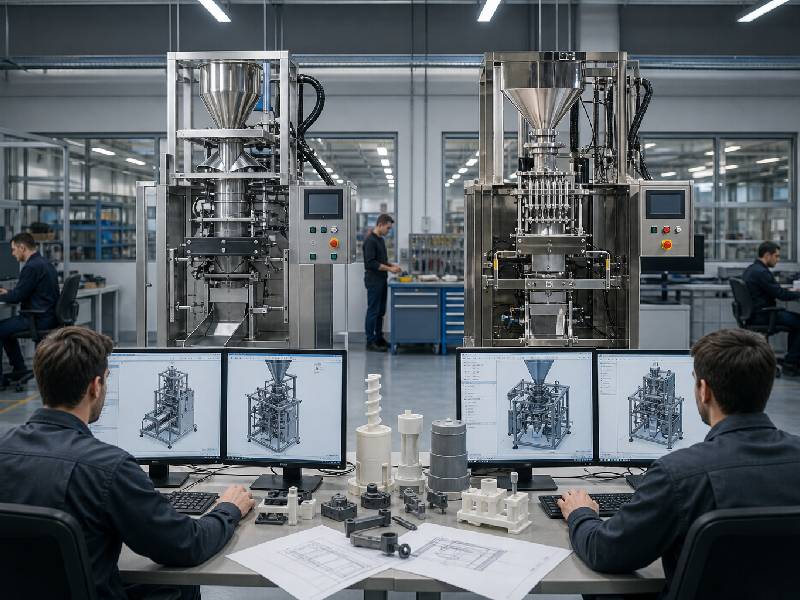
When you contact a packing machine manufacturer for the first time, one of the earliest decisions you will encounter is whether to purchase a standard machine from their catalog or commission an OEM (original equipment manufacturer) configuration tailored to your specific requirements. This is not merely a cost decision — it is a strategic choice that affects your production flexibility, branding capability, time-to-market, and the overall TCO of your packaging operation. This guide breaks down the practical differences between standard and OEM machines and provides a decision framework for food packaging buyers.
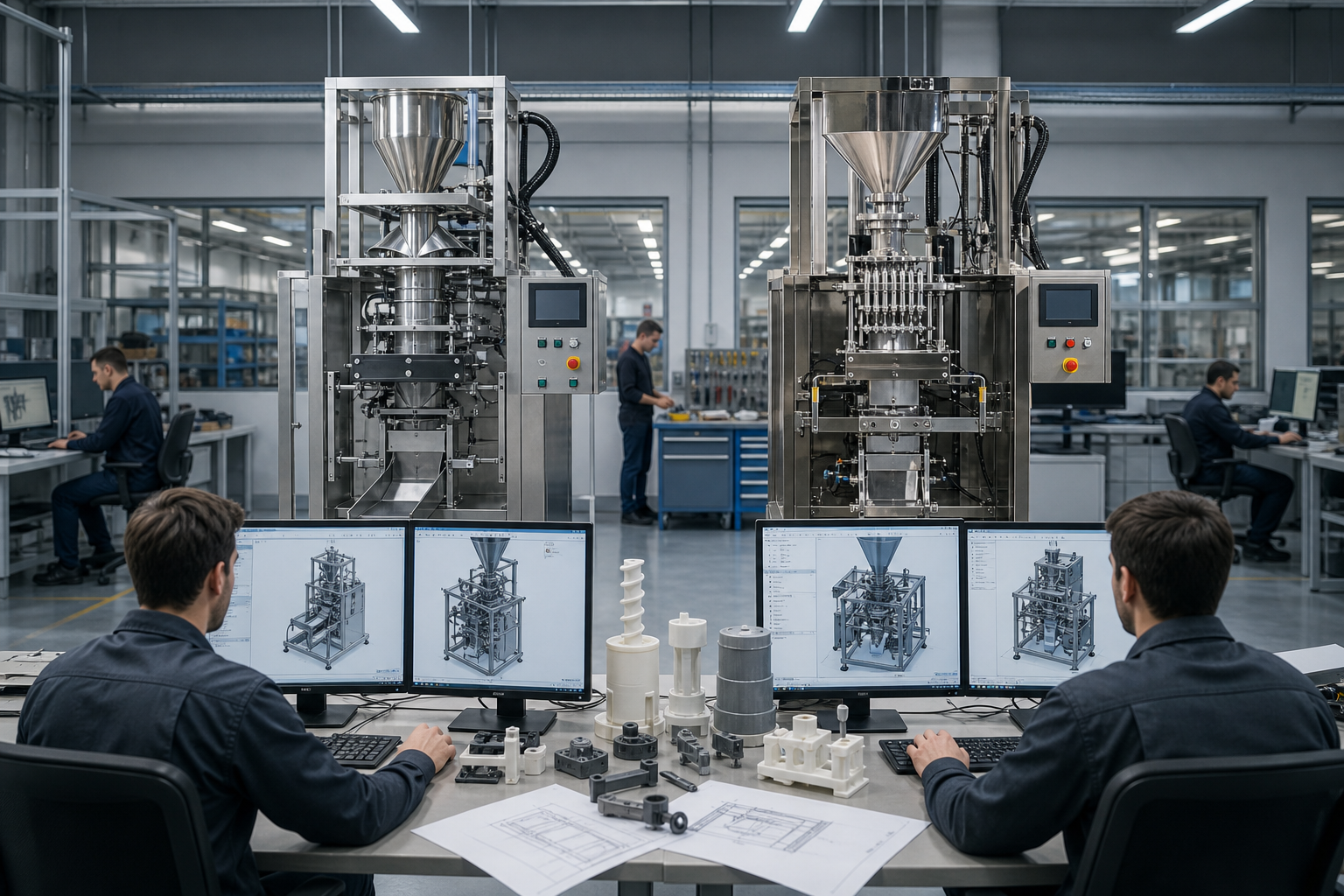
Defining Standard vs. OEM Packing Machines
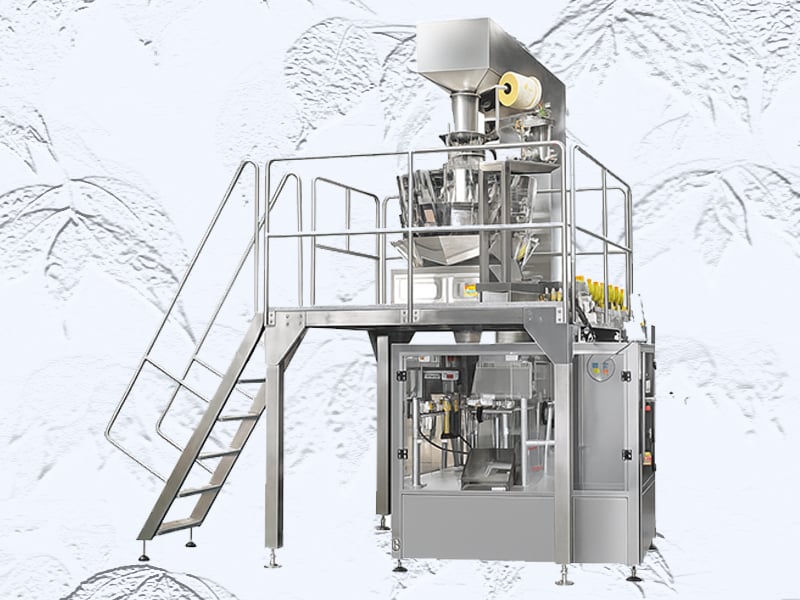
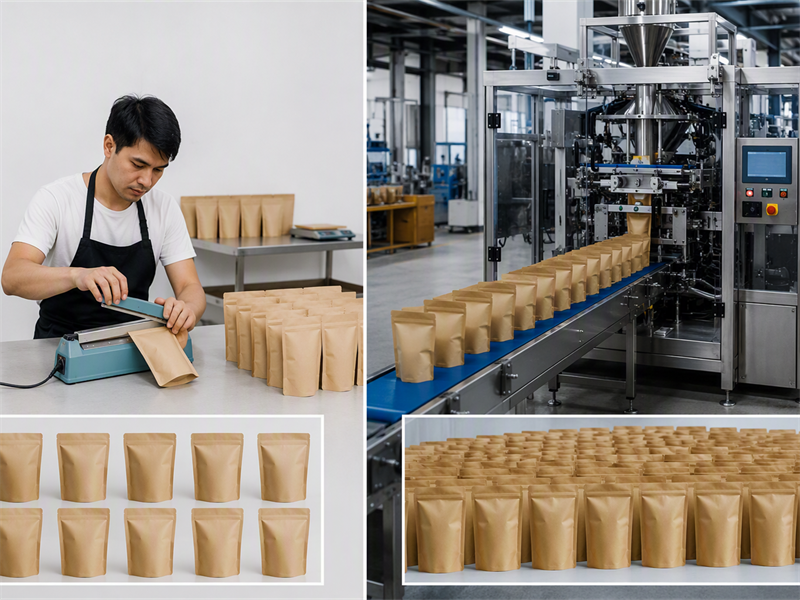
Standard packing machines are designed and produced to a fixed specification — a defined set of bag formats, fill weight ranges, speeds, and control options. They are available from manufacturer stock or can be produced within a standard 15–25 day lead time. The advantage is predictability: the performance specification is validated, the price is fixed, and the delivery timeline is defined.
OEM packing machines are configured or engineered to a buyer's specific requirements. This includes custom bag formats (non-standard dimensions, unusual materials), special filling systems (for products with unique density or flowability characteristics), integration with existing production line equipment, specific branding of the machine HMI (touchscreen) or color scheme, or additional functional modules (nitrogen flushing, date coders, checkweighers) not available on the standard configuration.
When to Choose a Standard Machine
Standard machines are the right choice when:
• Your packaging formats are commercially standard (e.g., 200 g or 500 g back-seal coffee powder bag in OPP/PE film)
• Your production volume is within the standard machine's speed range
• Your time-to-market is constrained and a 25-day lead time is acceptable
• Your budget is fixed and OEM development cost is outside scope
Standard machines from established packing machine manufacturers are typically validated through extensive production runs across multiple client installations. This means the reliability data exists — you are not the first customer to run the machine, which reduces your operational risk.
When to Choose an OEM Machine
OEM packing machines are the appropriate choice when:
• Your product has unusual characteristics (very high oil content, fragile leaf structure, extreme fineness that causes bridging in standard fillers)
• Your retail packaging format is custom-specified by your buyer (e.g., a supermarket chain requires a specific pouch size that is not commercially standard)
• You are integrating the packing machine into an existing automated production line and need specific input/output specifications
• You are building a private-label production facility and want to differentiate your operational setup from competitors using standard equipment
• You require specific additional functions not available on standard models (e.g., modified atmosphere packaging, specific checkweigher integration, custom HMI interface in a non-standard language)
OEM Cost and Lead Time: What to Expect
OEM packing machine projects involve three cost components beyond the standard machine price: engineering design, tooling, and validation testing.
| OEM Component | Typical Cost Range | Lead Time Addition |
| Custom bag format die/mold | USD 800–3,500 depending on complexity | 5–10 days |
| Non-standard filling system design | USD 1,500–8,000 depending on complexity | 10–20 days |
| Additional module integration (N₂, checkweigher) | USD 500–4,000 per module | 3–7 days |
| Full OEM line custom engineering | USD 5,000–20,000+ | 20–35 days |
Tonchant's engineering team handles OEM projects with a documented 3-stage process: requirements specification → engineering drawing approval → production and testing. Drawings are provided to the buyer for approval before production commences, eliminating the risk of off-specification delivery.
A Note on After-Sales Support for OEM Machines
OEM machines require OEM-aware after-sales support. A generic machine service technician cannot diagnose a custom filling system or a non-standard forming die. When evaluating a packing machine manufacturer for OEM work, verify that the after-sales team includes the same engineers who designed the custom system — not just a separate service team with access to a standard manual.
> Ready to specify a custom OEM packing machine for your production needs?
> Contact Tonchant Pack's engineering team — free specification consultation within 24 hours →
> We support OEM and standard machine projects with equal after-sales depth.