
 EN
EN
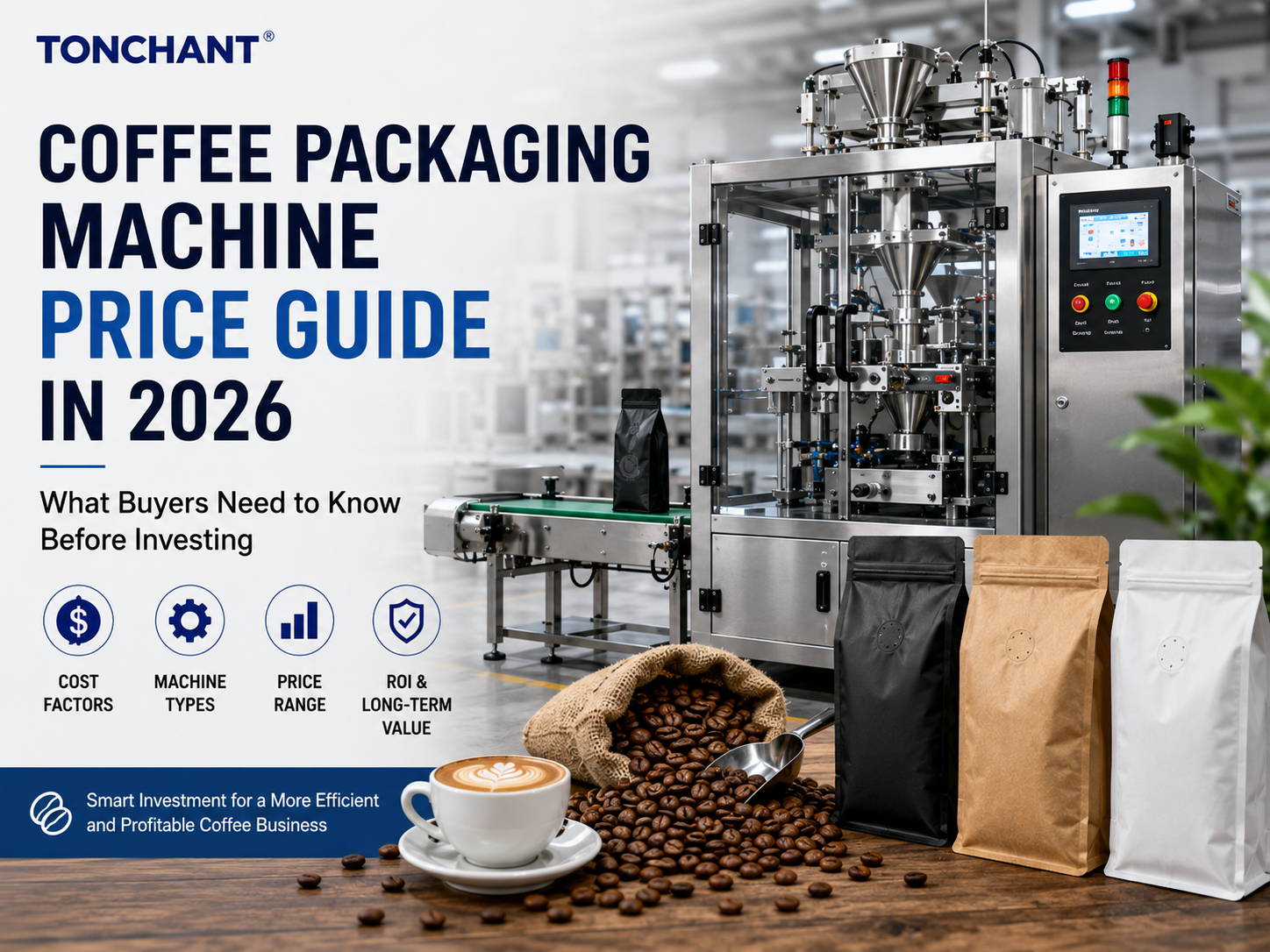
Coffee Packaging Machine Cost Guide in 2026: What Buyers Need to Know Before Investing
Introduction
Investing in a coffee packaging machine is a significant decision for any business involved in coffee production, distribution, or private labeling. While price is often the first question buyers ask, experienced procurement teams know that the true coffee packaging machine cost goes far beyond the purchase price. Production capacity, packaging formats, automation level, after-sales support, spare parts availability, and long-term operating efficiency all influence the overall return on investment.
In 2026, the coffee packaging machinery market continues to evolve alongside changing consumer preferences. Premium coffee, sustainable packaging, and shorter product development cycles are encouraging manufacturers to adopt more flexible and intelligent production lines. At the same time, restaurant chains, food delivery companies, wholesalers, and distributors are looking for equipment that can support multiple bag styles while maintaining consistent quality and competitive operating costs.
Whether you're replacing an aging production line or sourcing your first packaging solution, this guide explains the factors that influence coffee packaging machine price, compares different machine types, and highlights practical considerations that experienced buyers evaluate before making a purchasing decision.
What Is a Coffee Packaging Machine?
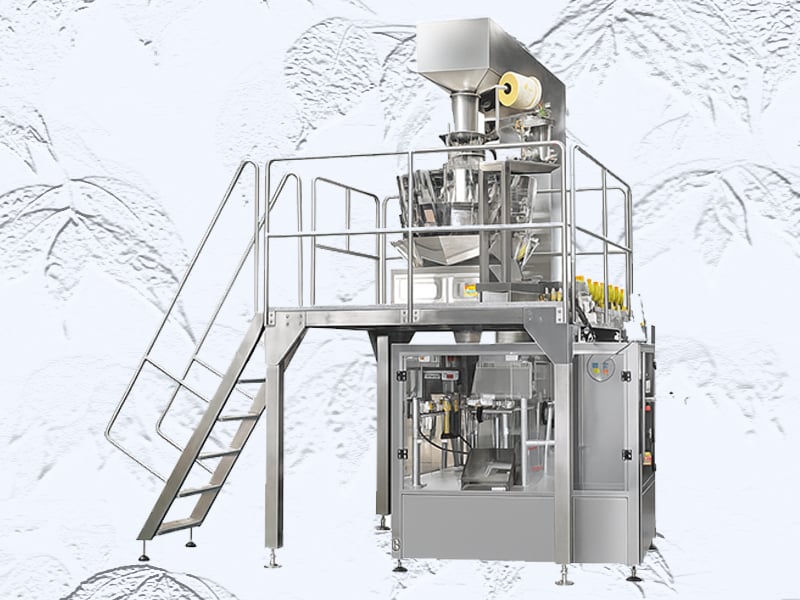
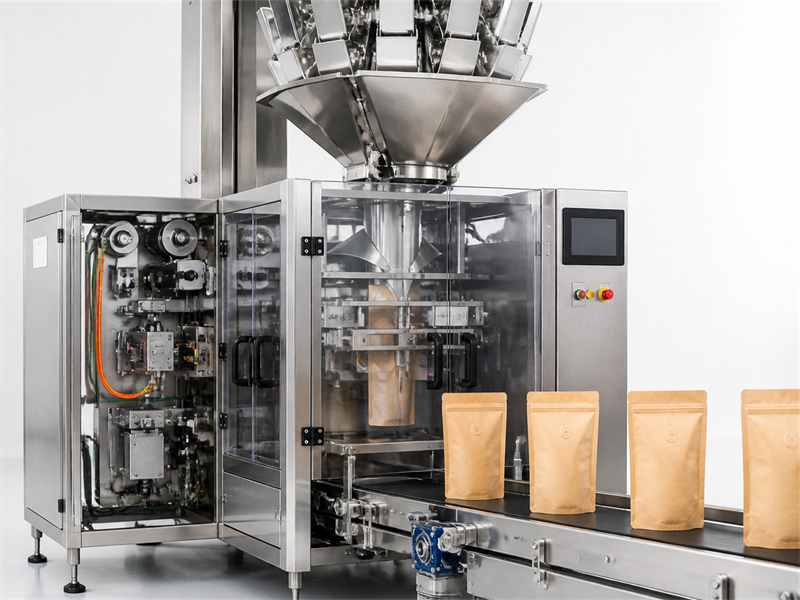
A coffee packaging machine is specialized equipment designed to weigh, fill, seal, and package coffee products into retail or commercial packaging. Depending on the product being packed, the system may handle whole coffee beans, ground coffee, instant coffee, or single-serve drip coffee products.
Modern equipment typically combines several functions into one integrated production line, including:
-
Product feeding
-
Precision weighing
-
Auger or multi-head filling
-
Nitrogen flushing
-
One-way degassing valve application
-
Heat sealing
-
Date coding
-
Labeling
-
Quality inspection
-
Cartoning
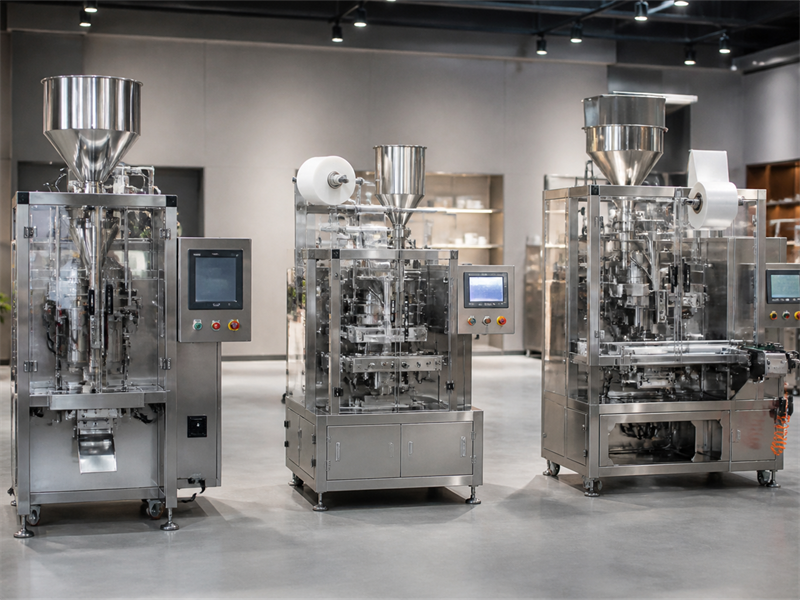
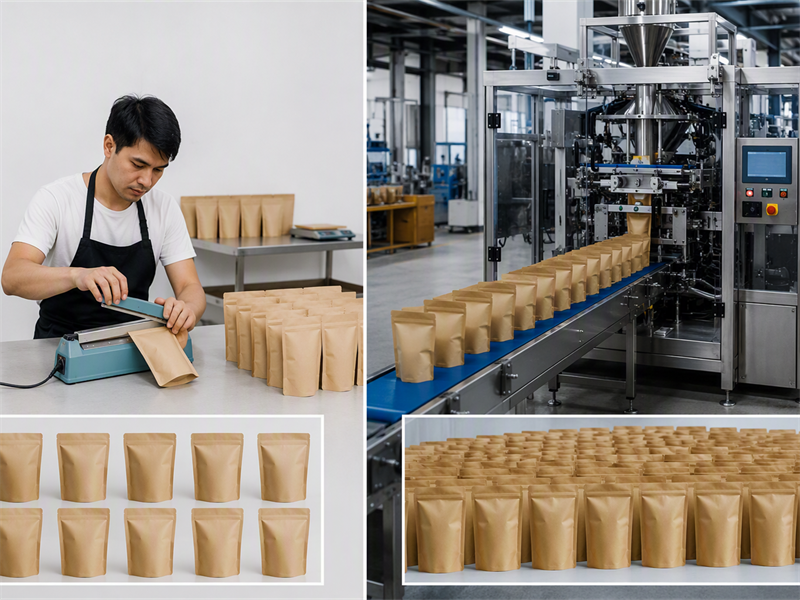
Machines are available in both semi-automatic and fully automatic configurations. The choice depends largely on production volume, labor availability, packaging complexity, and future expansion plans.
For many buyers, comparing the automatic coffee packaging machine price with expected labor savings provides a clearer picture of long-term value than focusing solely on initial investment.
What Determines Coffee Packaging Machine Cost?
No two packaging lines are exactly alike, which is why quotations often vary considerably between suppliers.
The following factors have the greatest impact on coffee packaging machine cost.
| Cost Factor | Influence on Price |
|---|---|
| Automation Level | Higher automation increases initial investment but reduces labor costs. |
| Filling System | Multi-head weighers, auger fillers, and volumetric fillers vary in complexity and cost. |
| Packaging Speed | Faster production generally requires more advanced components. |
| Bag Types | Machines supporting multiple pouch styles typically cost more than single-format equipment. |
| Optional Functions | Nitrogen flushing, vacuum systems, valve applicators, and labeling modules add to the overall price. |
| Custom Engineering | Non-standard sizes or special production requirements increase manufacturing costs. |
| Control System | Premium PLCs, servo motors, and internationally recognized electrical components influence pricing. |
Rather than asking, "What is the cheapest machine available?", many experienced buyers instead ask, "Which machine offers the lowest operating cost over the next five to ten years?"
That shift in perspective often leads to a more successful purchasing decision.
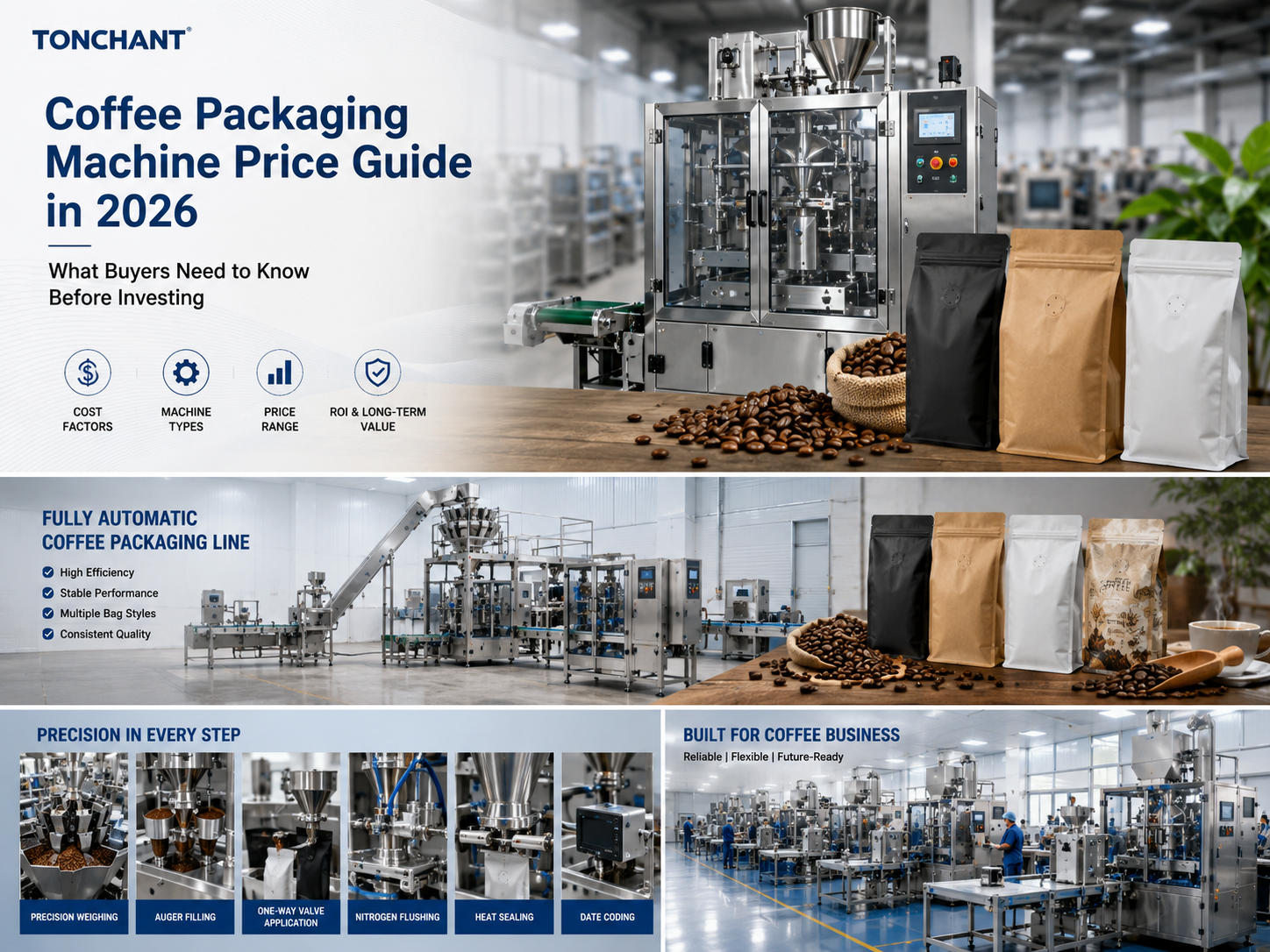 Key Benefits
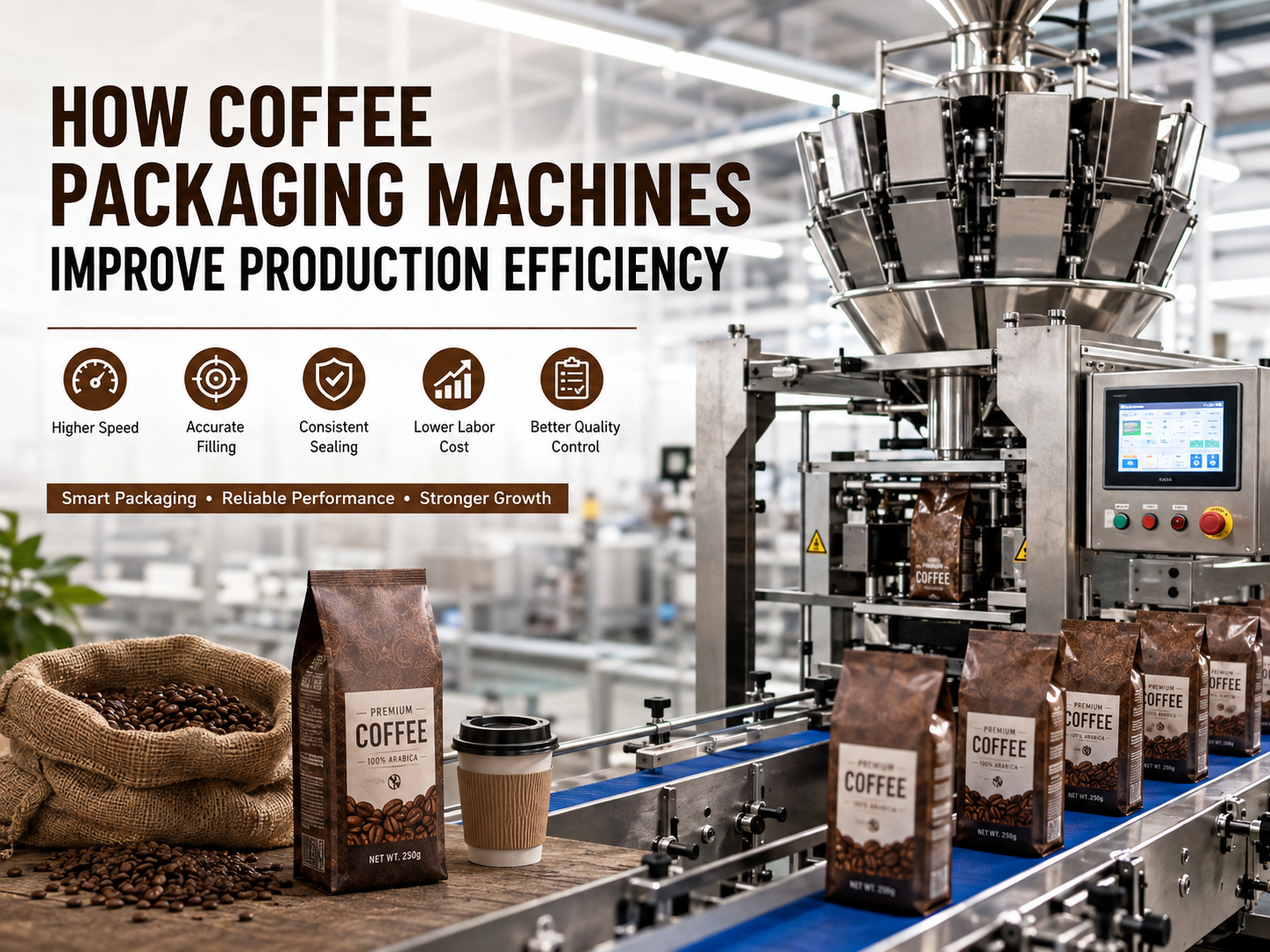
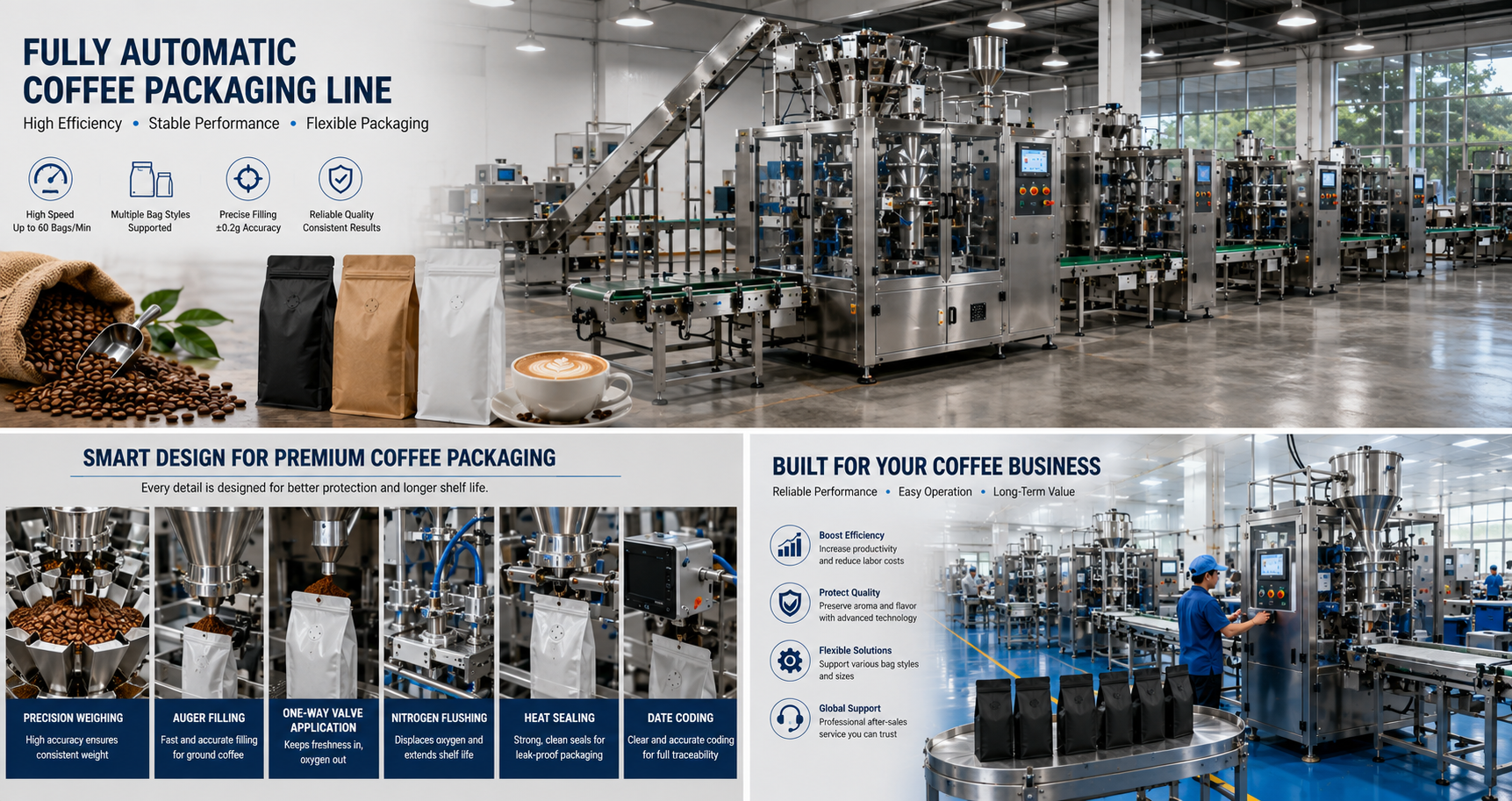
Although the upfront investment may seem substantial, modern coffee packaging equipment can deliver measurable improvements throughout the production process.
Improved Production Efficiency
Manual packaging becomes increasingly difficult as order volumes grow. Automated systems allow businesses to package significantly more products with fewer operators while maintaining consistent output throughout each production shift.
For restaurant chains supplying packaged coffee to multiple locations, improved efficiency helps ensure inventory remains available without increasing labor requirements.
Consistent Product Quality
Customers expect every package to look professional and contain the correct amount of coffee.
Modern weighing systems minimize weight variation while producing clean, reliable seals that improve product presentation on retail shelves.
Better Freshness Protection
Roasted coffee is highly sensitive to oxygen and moisture.
Machines equipped with nitrogen flushing and automatic one-way valve application help preserve aroma and flavor while extending shelf life.
This is especially valuable for exporters shipping products across long distances.
Lower Operating Costs
Although a higher-end machine may have a greater purchase price, the reduction in labor costs, product waste, and maintenance often lowers the overall coffee packing machine cost throughout the equipment's service life.
Production Flexibility
Consumer preferences continue changing rapidly.
Many manufacturers now produce multiple package sizes, seasonal products, and limited-edition coffees throughout the year.
Flexible machinery allows faster changeovers without requiring additional production lines.
Applications Across Different Industries
Coffee packaging equipment is no longer used exclusively by large roasting facilities.
Businesses across the food industry are investing in automated packaging solutions.
Restaurant Chains
Many restaurant brands now sell packaged coffee alongside beverages and meals. Reliable packaging equipment supports consistent branding across multiple locations.
Food Delivery Companies
As grocery delivery and online ordering continue expanding, more delivery-focused businesses are launching their own private-label coffee products.
Coffee Roasters
Independent roasters often begin with semi-automatic equipment before upgrading as production increases.
Wholesalers and Distributors
Bulk packaging efficiency helps reduce fulfillment time while maintaining product consistency.
Private Label Manufacturers
Contract manufacturers frequently package products for multiple brands, making rapid changeovers and flexible bag formats essential.
Sustainable Packaging Suppliers
Growing demand for recyclable and compostable packaging requires machinery capable of processing newer packaging materials without compromising seal quality.
This trend has become increasingly important for companies seeking environmentally responsible packaging solutions, including many customers working with Tonchant Earth on sustainable coffee packaging projects.
Buying Guide
Choosing equipment based solely on quotation price often leads to unnecessary expenses later.
Experienced procurement teams usually evaluate several additional factors.
Production Capacity
Estimate not only today's production volume but also anticipated demand over the next three to five years.
Purchasing equipment with limited capacity may require replacement much sooner than expected.
Packaging Formats
Consider both your current packaging styles and future product plans.
Many businesses now package:
-
Flat bottom bags
-
Stand-up pouches
-
Side gusset bags
-
Pillow bags
-
Drip coffee outer bags
-
Sachets
Machines supporting multiple formats provide greater long-term flexibility.
Filling Technology
Whole beans and ground coffee require different filling methods.
| Product | Recommended Filling System |
|---|---|
| Coffee Beans | Multi-head Weigher |
| Ground Coffee | Auger Filler |
| Instant Coffee | Auger Filler |
| Mixed Granules | Combination Weigher |
Selecting the appropriate filling system improves accuracy while reducing product waste.
Automation Requirements
Automation should match production needs rather than simply following industry trends.
| Production Scale | Recommended Solution |
|---|---|
| Small Roaster | Semi-automatic |
| Growing Brand | Entry-level Automatic |
| Large Factory | Fully Automatic Production Line |
| Contract Manufacturer | High-speed Integrated Line |
Supplier Support
Reliable after-sales service can be as valuable as the machine itself.
Before placing an order, buyers often ask:
-
Are spare parts stocked locally?
-
Is remote technical support available?
-
Will installation assistance be provided?
-
How quickly can replacement components be delivered?
-
Is operator training included?
These questions often become more important after installation than during the purchasing process.
Machine Testing
Whenever possible, request a factory acceptance test using your own coffee and packaging materials.
Testing under real production conditions helps verify:
-
Filling accuracy
-
Packaging speed
-
Seal quality
-
Bag appearance
-
Machine stability
Many experienced buyers consider this one of the most valuable steps before shipment.
Sustainability Compatibility
Increasing numbers of coffee brands are transitioning toward recyclable mono-material films and compostable packaging.
Equipment should be evaluated for compatibility with sustainable packaging materials to avoid production challenges in the future.
Tonchant Earth has seen growing demand from customers seeking machinery that works efficiently with environmentally responsible packaging structures, particularly in export markets where sustainability regulations continue to evolve.
Customization Options
Standard machinery meets many production requirements, but customized solutions are common in the coffee industry.
Popular customization options include:
-
Multi-language touchscreens
-
Different electrical standards
-
Custom bag dimensions
-
Nitrogen flushing
-
Vacuum packaging
-
Automatic zipper opening
-
One-way valve applicators
-
Inkjet coding
-
Laser marking
-
Label applicators
-
Check weighers
-
Metal detectors
-
Cartoning systems
-
Robotic palletizing
Discussing future production plans during the quotation stage often leads to better equipment selection than purchasing a standard configuration that quickly becomes outdated.
MOQ Discussion
Unlike packaging materials, packaging machinery is generally sold by individual units.
Typical purchasing quantities are straightforward.
| Purchase Type | Typical MOQ |
|---|---|
| Standard Machine | 1 Set |
| Customized Machine | 1 Set |
| Complete Packaging Line | 1 Set |
Some suppliers also provide production trials before final assembly, allowing customers to evaluate machine performance before shipment.
Certification Considerations
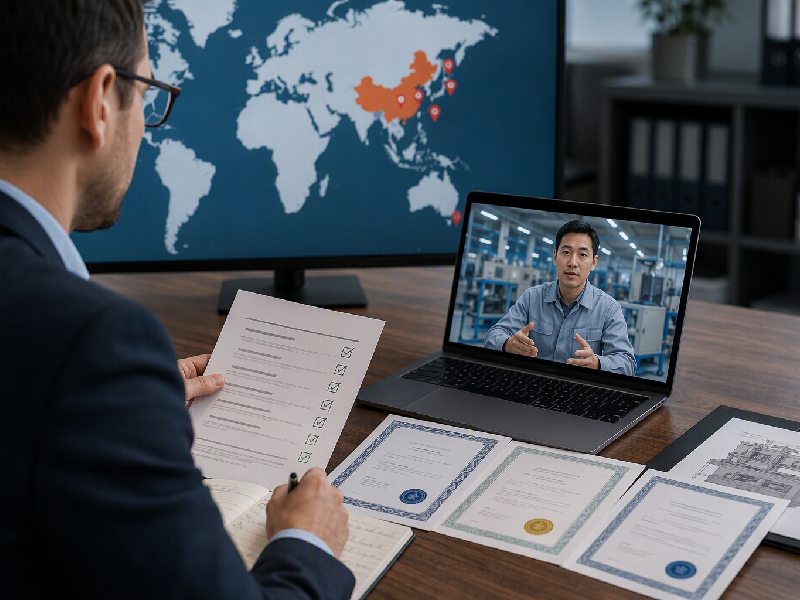
Certification requirements vary depending on destination markets and customer specifications.
Common certifications include:
-
CE
-
ISO 9001
-
SGS Inspection
-
FDA-compliant food-contact components where applicable
-
RoHS-compliant electrical components
-
UL-compatible electrical systems upon request
For buyers supplying multinational retailers or exporting to regulated markets, verifying certification before production begins can prevent unnecessary delays during customs clearance and installation.
Common Buyer Concerns
"Is the lowest-priced machine really the best value?"
Not always.
Lower-cost equipment may use components that are more difficult to service or replace. A machine with dependable engineering and reliable technical support often delivers lower lifetime operating costs despite a higher initial purchase price.
"Can one machine package different bag sizes?"
Most modern machines can accommodate multiple bag dimensions by changing forming parts and adjusting production parameters.
This flexibility becomes particularly valuable when introducing seasonal products or expanding into new retail markets.
"Will sustainable packaging materials work?"
Not every machine performs equally well with recyclable or compostable films.
Buyers planning to adopt environmentally friendly packaging should discuss material compatibility during the design stage rather than after installation.
"How long is the lead time?"
Lead times vary depending on machine complexity and customization.
Standard equipment may be available within several weeks, while highly customized production lines typically require longer manufacturing schedules.
Planning equipment purchases well before seasonal production peaks helps avoid unnecessary delays.
"How important is after-sales support?"
Even high-quality machinery occasionally requires maintenance.
Responsive technical assistance, readily available spare parts, and experienced service engineers often determine how quickly production resumes following unexpected downtime.
Frequently Asked Questions
1. What affects coffee packaging machine price the most?
Automation level, packaging speed, filling technology, optional features, and customization requirements have the greatest influence on coffee packaging machine price.
2. Is an automatic machine worth the higher investment?
For businesses producing larger volumes, the reduction in labor costs and increased production efficiency often justify the higher automatic coffee packaging machine price over time.
3. Can one machine package both coffee beans and ground coffee?
Some production lines can handle both products with appropriate filling system changes, although dedicated systems generally provide better efficiency and accuracy.
4. What certifications should international buyers request?
Most international buyers look for CE certification, ISO 9001 quality management, and any additional compliance required by their destination market.
5. How can buyers reduce long-term coffee packaging equipment cost?
Selecting reliable equipment, planning for future expansion, investing in operator training, performing regular maintenance, and purchasing machines compatible with future packaging materials all contribute to lower coffee packaging equipment cost throughout the equipment's service life.
 Conclusion
Understanding coffee packaging machine cost requires looking beyond the initial quotation. While purchase price is an important factor, long-term operating efficiency, maintenance requirements, production flexibility, and supplier support ultimately determine the value of the investment.
For restaurant chains, distributors, wholesalers, food delivery companies, and sustainable packaging buyers, the right equipment should not only meet current production requirements but also provide room for future growth. Features such as accurate filling, flexible bag handling, compatibility with recyclable materials, and dependable technical support can have a lasting impact on productivity and profitability.
As sustainability continues to shape the coffee industry, more businesses are also evaluating whether their machinery can support environmentally responsible packaging materials. Through projects with coffee brands worldwide, Tonchant Earth has observed that buyers increasingly prioritize equipment capable of adapting to changing packaging standards alongside evolving consumer expectations.
Taking time to compare suppliers, evaluate total ownership costs, request factory testing, and consider future production needs will help ensure that your investment delivers reliable performance for many years to come.