
 EN
EN
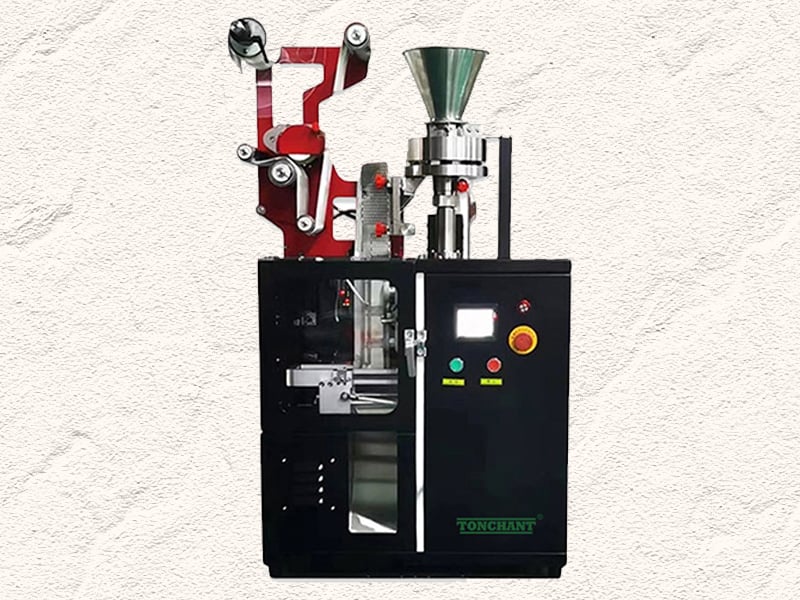
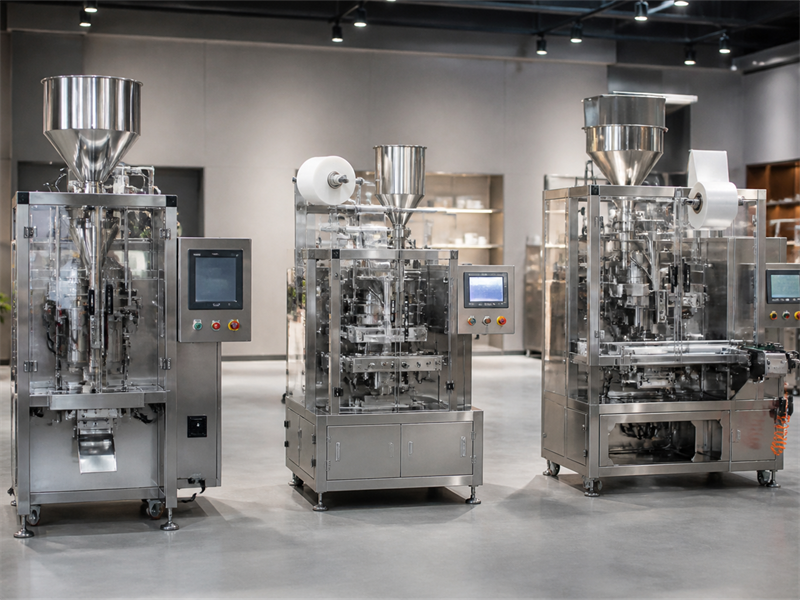
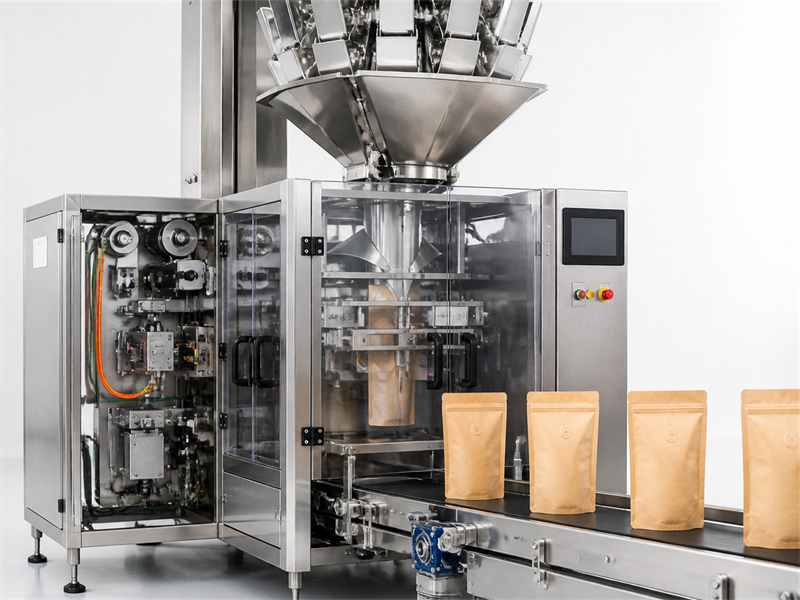
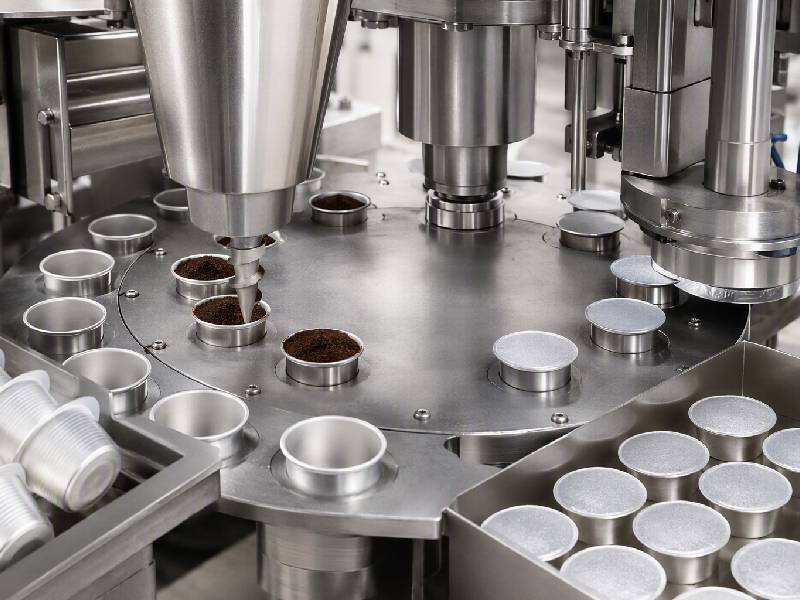
The single-serve coffee capsule market has grown from a premium household segment to a mainstream global category. According to Mordor Intelligence, the global coffee capsule market is projected to exceed USD 15 billion by 2027, with private-label and OEM capsule production representing the fastest-growing segment. For coffee roasters, private-label brands, and contract packers looking to enter or expand in the capsule segment, a coffee capsule filling machine is a capital investment of significant scale — and one with distinct technical requirements that differ meaningfully from bag-based packing machine applications.
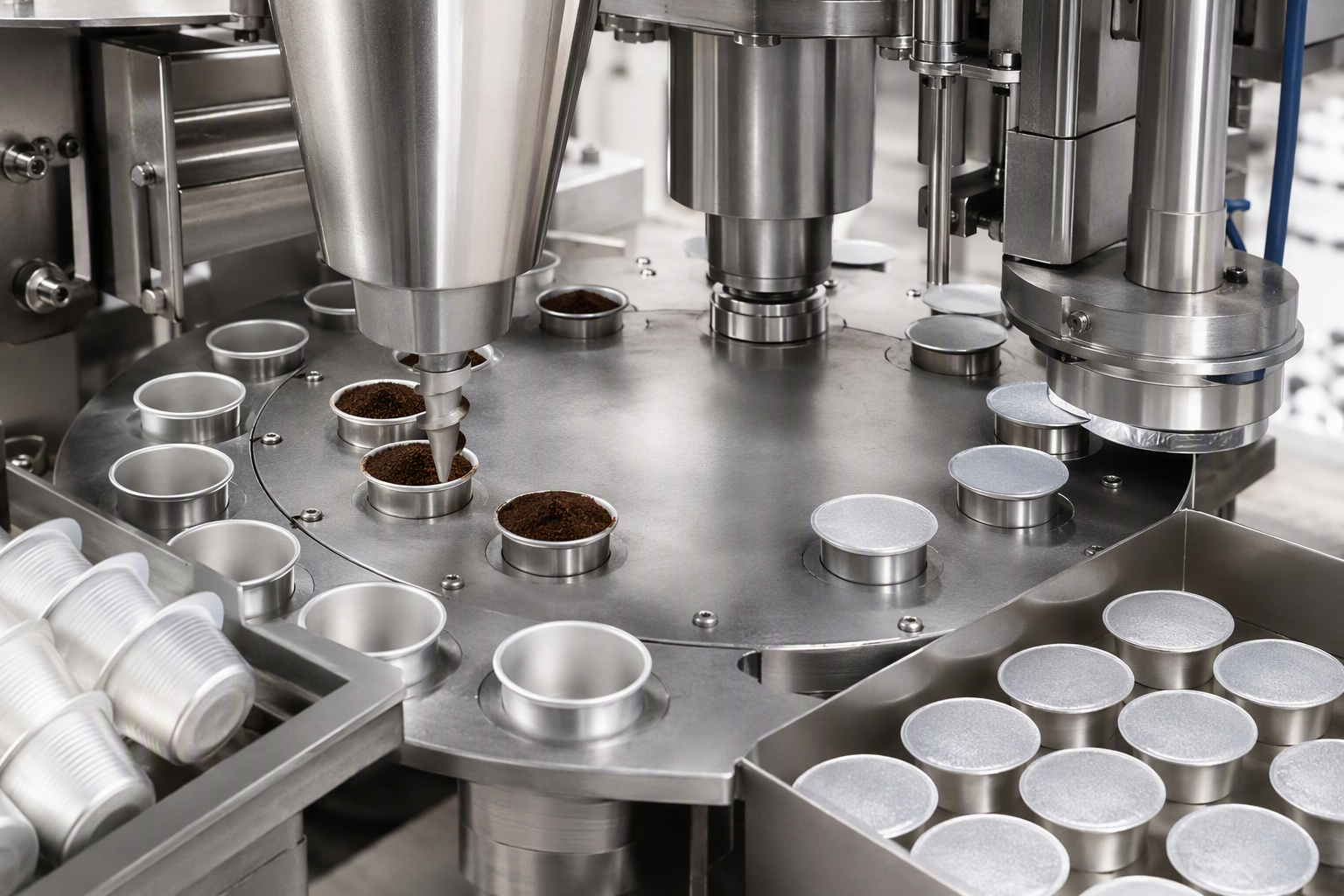
How Coffee Capsule Filling Machines Work
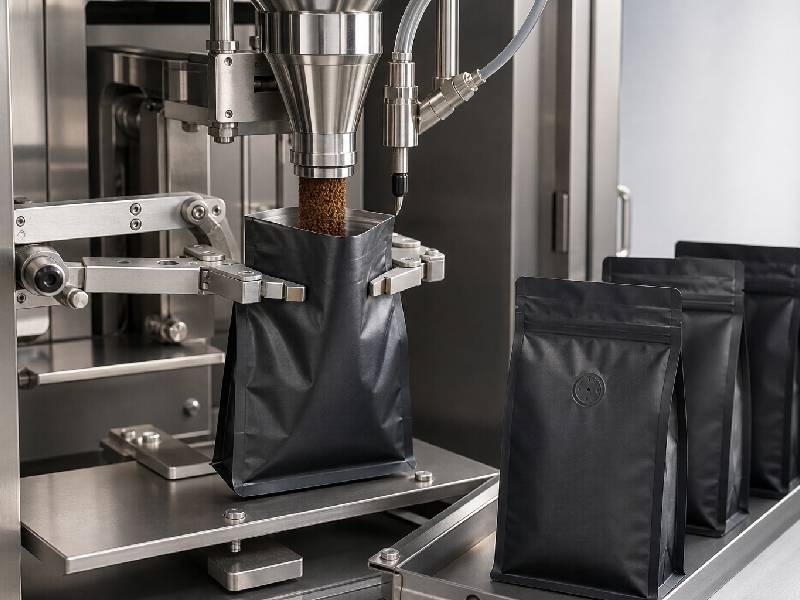
A capsule filling machine performs five sequential operations in continuous production:
• 1. Capsule loading: empty capsules (aluminium or compatible polymer shells) are loaded from a hopper or magazine into the machine's rotary indexing system
• 2. Filling: ground coffee is dosed into the capsule using an auger filler or volumetric dosing system; fill weight accuracy at this stage is critical (±0.1 g is the industry target for a 5.5 g capsule)
• 3. Tamping: the coffee is compacted to a specified pressure to ensure consistent extraction in the brewing machine
• 4. Lid application and sealing: a foil lid is placed over the capsule and heat-sealed to the rim, creating a hermetic seal
• 5. Inspection and output: a vision or weight-based inspection system checks each capsule before output
Semi-Automatic vs. Fully Automatic Capsule Filling Machines
| Machine Type | Output (capsules/min) | Operators Required | Suitable For |
| Semi-automatic | 10–25 | 2 | Startup, test market, <20,000 capsules/day |
| Fully automatic, single-track | 40–80 | 0.5–1 | Mid-scale OEM, 20,000–80,000 capsules/day |
| Fully automatic, multi-track | 100–300+ | 1 | High-volume industrial production |
For most specialty coffee roasters entering the capsule category for the first time, a semi-automatic machine (Tonchant's semi-automatic capsule filling machine model) is the recommended starting point. It allows validation of the product formula and capsule format without the capital commitment of a fully automatic line. The step-up to fully automatic is straightforward from a technical integration standpoint.
Capsule Format Compatibility: A Critical Specification
"Nespresso-compatible" is a retail classification that describes the capsule geometry, not a universal technical standard. There are multiple Nespresso-compatible capsule shell suppliers in the market, and their dimensional tolerances vary. The capsule filling machine's forming tools and sealing dies must be precisely matched to the specific capsule shell you are using.
Before ordering a capsule filling machine, obtain a dimensional specification sheet from your capsule shell supplier and confirm compatibility with the machine manufacturer's tooling. Tonchant provides OEM tooling for specific capsule shell specifications upon request, with tolerances validated to ensure reliable sealing across the production batch.
Filling Accuracy: The Non-Negotiable Specification
For coffee capsules, fill weight accuracy is directly linked to extraction consistency — the consumer experience that drives brand loyalty and repeat purchase. The relevant specifications:
• Target fill weight for Nespresso-compatible: 5.5 g ± 0.1 g (Arabica medium roast, standard grind)
• Target fill weight for Dolce Gusto-compatible: 7.0–9.0 g depending on coffee type
• Fill accuracy target: ±0.1 g on a 5.5 g fill represents ±1.8% deviation — achievable with a precision auger filler and load cell verification on every capsule
Conclusion & Next Step
Coffee capsule filling machines represent a specialized equipment category with tight tolerance requirements for fill accuracy, tamping consistency, and seal integrity. Start with semi-automatic if you are entering the market; plan for full automation when daily volumes exceed 20,000 capsules. Verify capsule shell compatibility before placing a machine order.
> Interested in a coffee capsule filling machine for your production operation?
> Request a free specification and FOB quote from Tonchant Pack →
> Semi-automatic and fully automatic models available. OEM tooling supported.