
 EN
EN
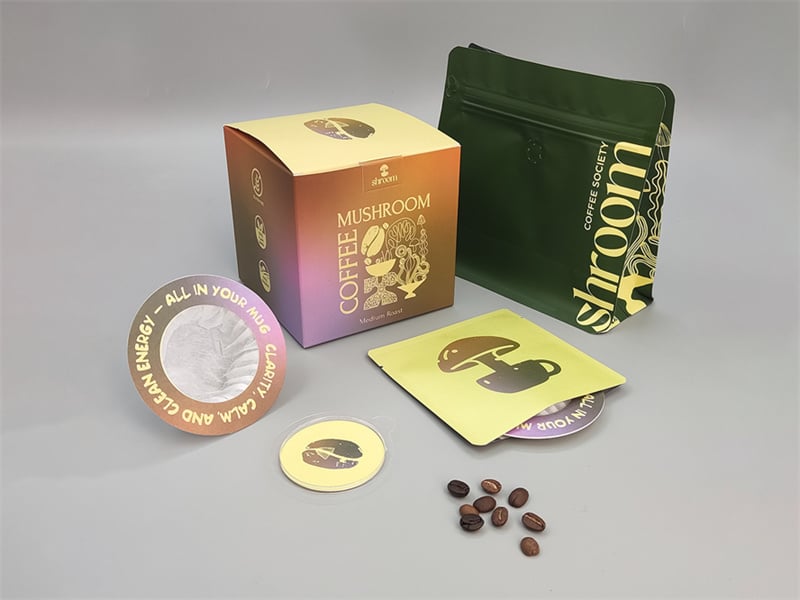
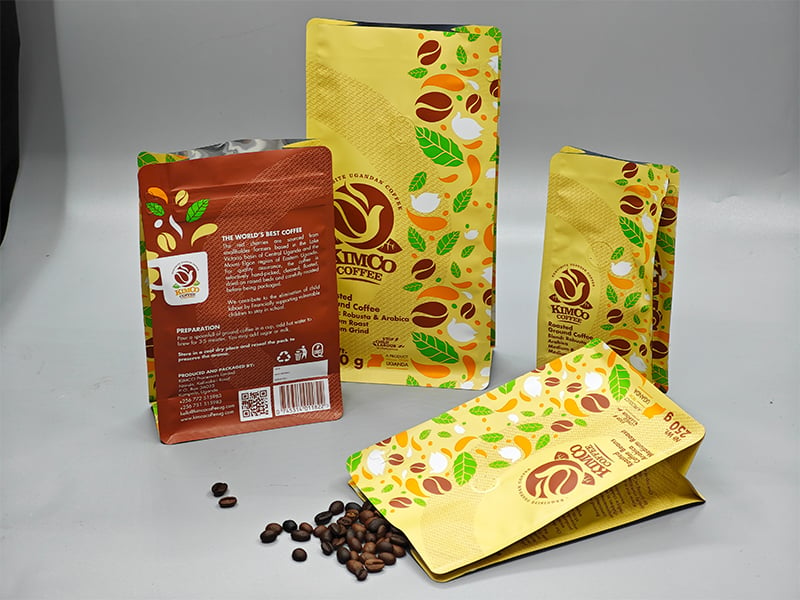
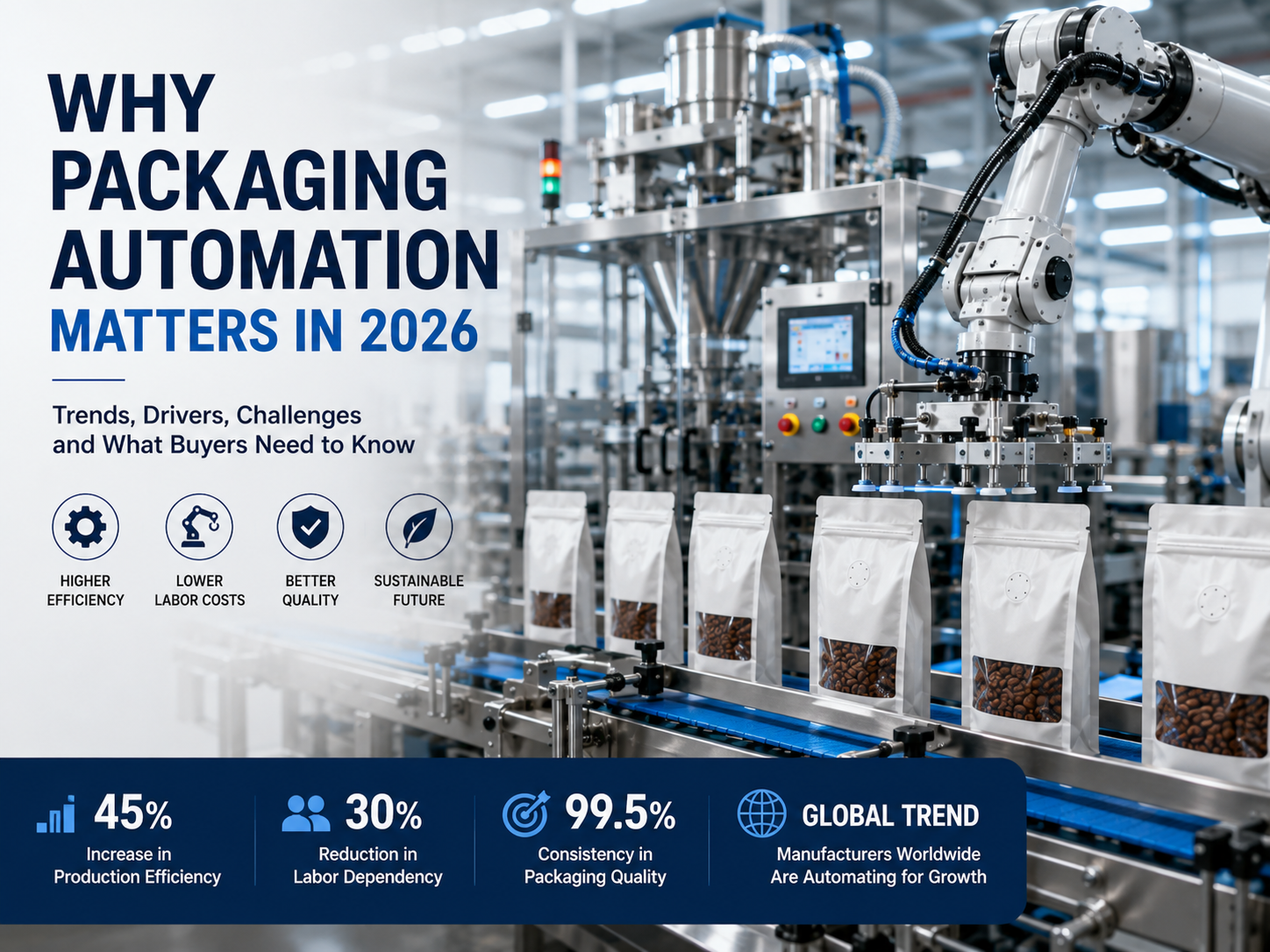
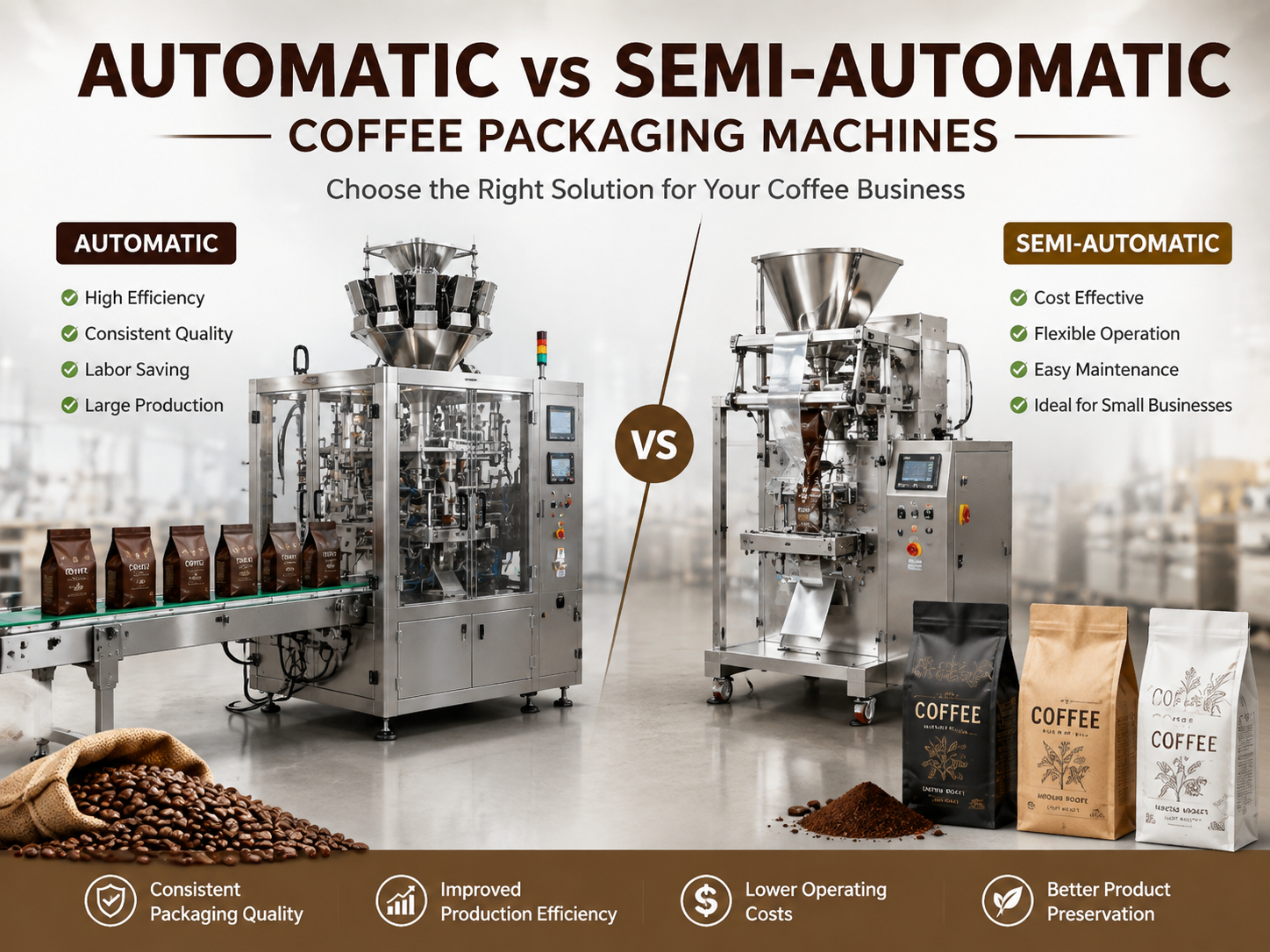
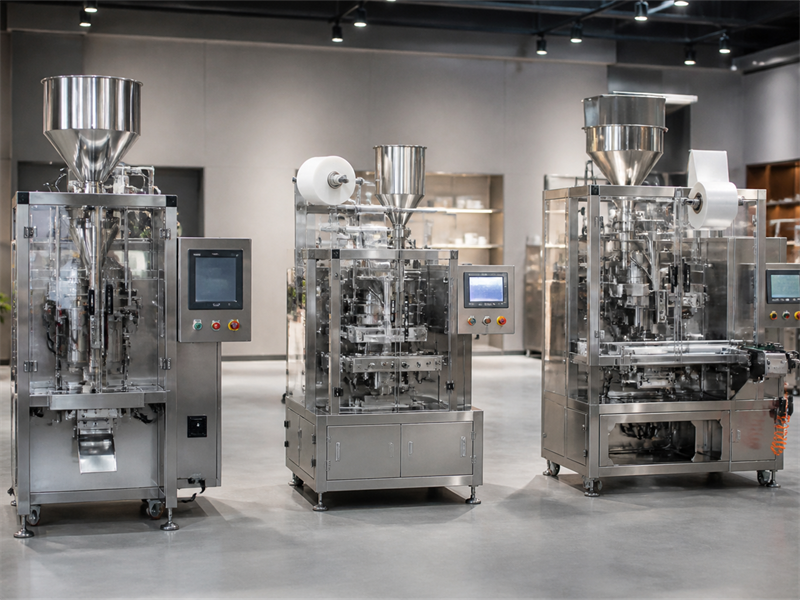
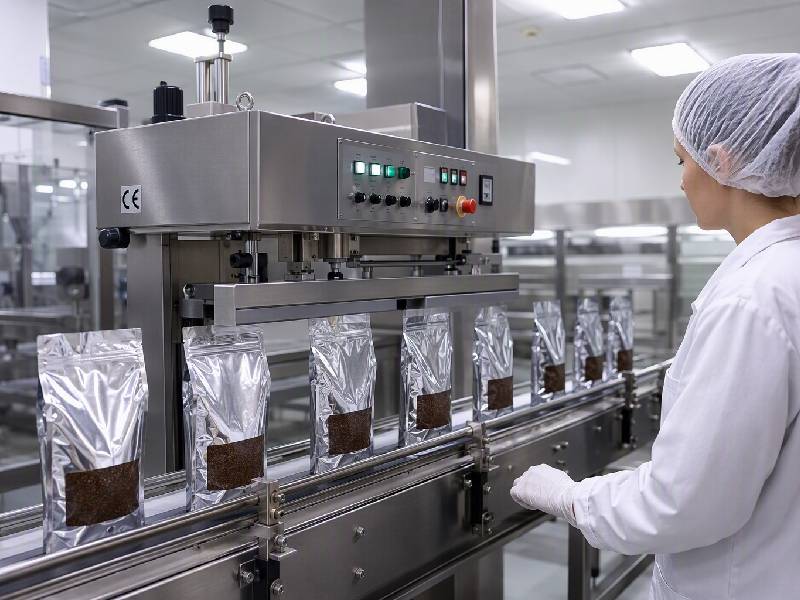
For coffee roasters and tea brands building premium retail products, the choice between a pre-made pouch filling machine and a form-fill-seal system is one of the most consequential packaging equipment decisions they will make. It affects per-unit packaging cost, production throughput, brand presentation capability, material flexibility, and the complexity of the supply chain they need to manage. This guide provides a detailed, data-oriented comparison that goes beyond the sales-level explanation of "pre-made bags look nicer" to address the operational and financial dimensions of each approach.
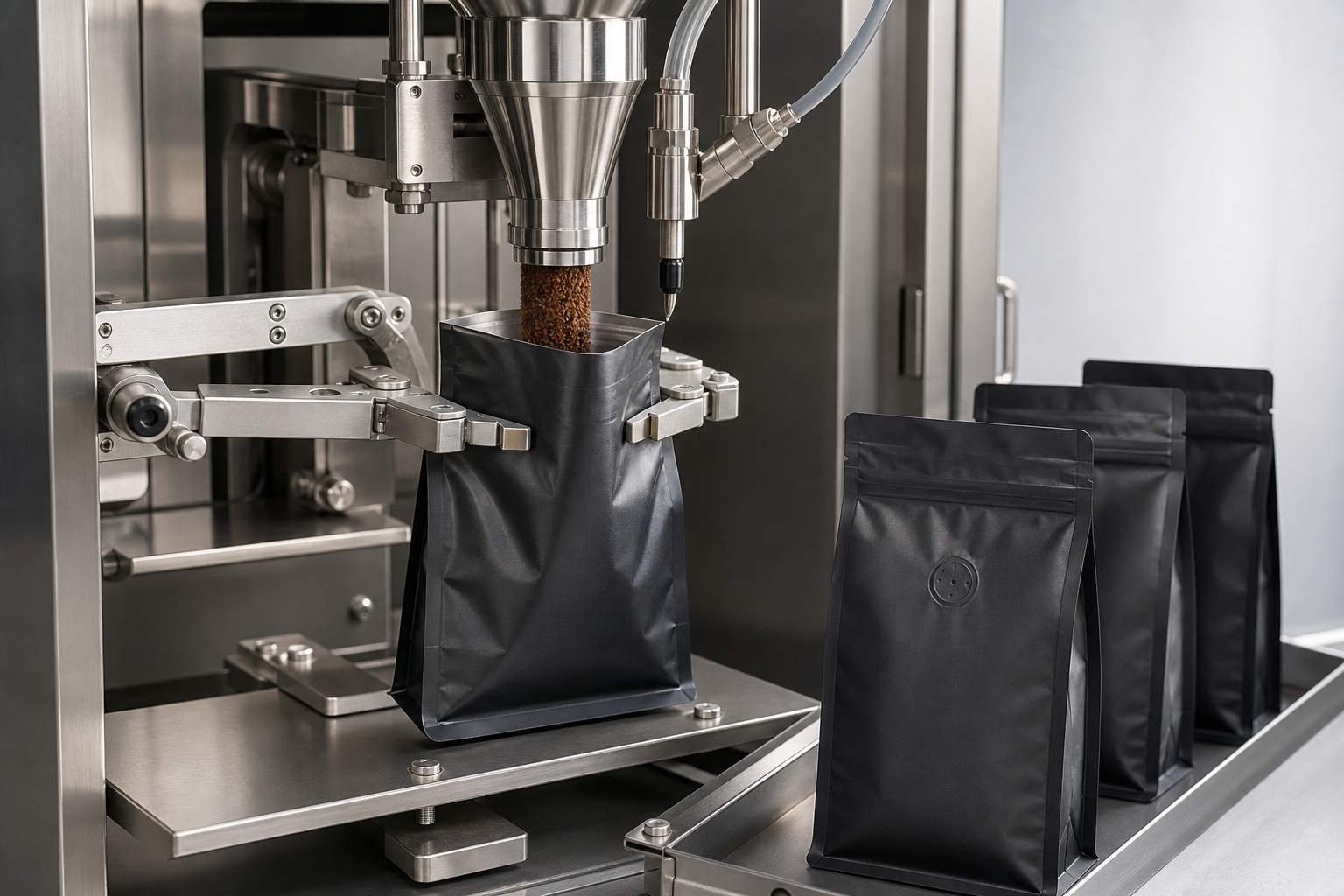
Pre-Made Pouch (PMB) Filling Machines: How They Work
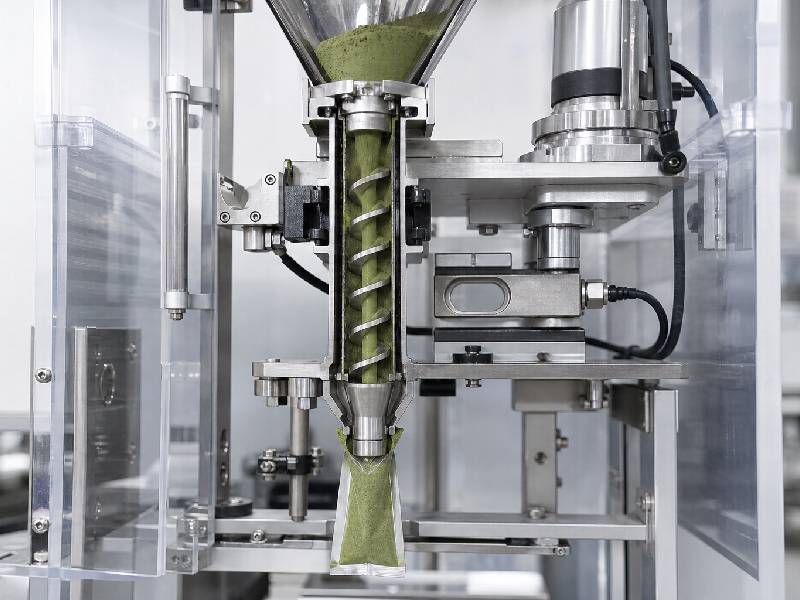
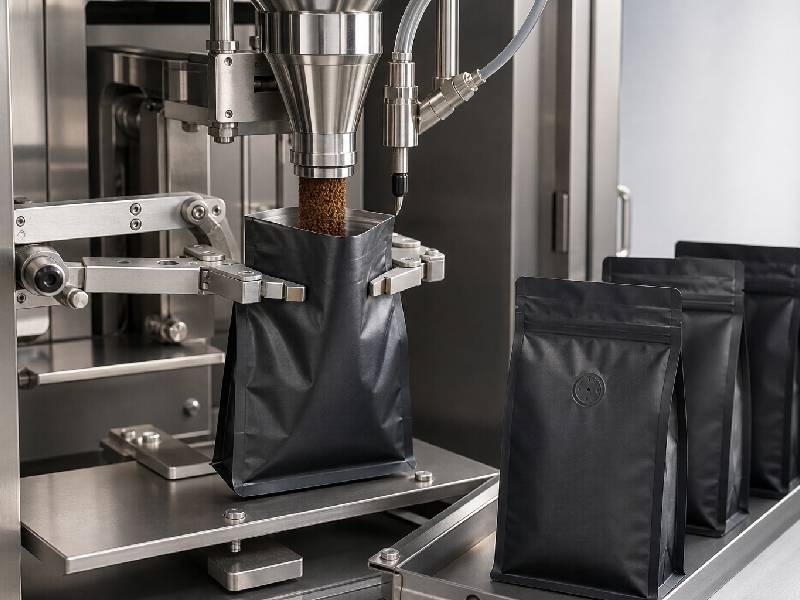
A PMB system accepts bags that are supplied pre-manufactured, typically from a specialist flexible packaging bag supplier. The machine performs four sequential operations: bag retrieval from a magazine feed, bag opening (via air jets or mechanical grippers), product filling (by weight or volume), and seal closure (heat-seal, zip-lock, or both).
The pre-made pouch filling machine does not form the bag shape — that is done by the bag supplier. This means:
• The bag's structural integrity, material quality, and print registration are entirely the responsibility of the bag supplier
• The machine operator's quality focus is on fill weight accuracy and seal quality
• Bag format changes require loading a different bag magazine, not changing machine tooling (faster changeover)
Supported Pouch Formats for PMB Machines
| Pouch Type | Application | Size Range |
| Stand-up pouch (Doypak) | Premium coffee bean retail, specialty tea | Width 100–350 mm, height 150–450 mm |
| Flat-bottom bag | Ultra-premium coffee retail | Width 120–300 mm, height 200–400 mm |
| Side-gusset bag | Bulk coffee/tea, foodservice, OEM | Width 150–400 mm, height 200–550 mm |
| Pillow bag (pre-made) | Commodity coffee powder, budget tea retail | Variable |
All Tonchant PMB filling machines support zip-lock compatible sealing, with options for nitrogen flushing and degassing valve application — both critical for fresh-roasted coffee packaging.
Form-Fill-Seal (FFS) Systems: The Trade-Off
Form-fill-seal machines produce bags from a flat film roll, inline. The machine forms the bag shape, fills it, and seals it in a continuous process. FFS systems offer lower per-bag material cost because raw film rolls cost less per unit than pre-manufactured bags. However, there are meaningful limitations for premium product packaging:
• Limited format flexibility: FFS machines typically produce back-seal or pillow bags; flat-bottom and stand-up formats require additional complexity and tooling
• Print registration dependency: branded films require accurate print registration, which is more technically demanding on FFS systems
• Material limitations: some premium packaging materials (matte finish, kraft, multi-layer structures with specific barrier properties) are more difficult to process reliably on FFS systems
The Financial Comparison: When PMB Wins and When FFS Wins
Evaluating on material cost alone is misleading. The full economic comparison should include:
| Cost Factor | PMB System | FFS System |
| Machine CAPEX | Medium | Medium-high |
| Per-bag material cost | Higher (pre-made bags vs. raw film) | Lower |
| Changeover cost (format switch) | Low (change bag magazine) | High (re-tooling, film changeover) |
| Bag quality defect rate | Low (quality controlled by bag supplier) | Variable (film handling quality affects bag integrity) |
| Scrap rate | Low | 2–5% film waste is typical |
| Brand presentation premium | High | Medium |
| Breakeven volume | Lower | Higher (requires scale to recover CAPEX) |
For most specialty coffee and premium tea brands producing under 50,000 bags/month across 2–3 formats, PMB systems offer the better economic profile when brand presentation and format flexibility are weighted appropriately.
Conclusion & Next Step
Pre-made pouch filling machines offer superior format flexibility, faster changeover, and better premium brand presentation for specialty coffee and tea operations. FFS systems offer lower material cost at high volume for commodity products. For most specialty producers, PMB is the recommended starting configuration.
> Ready to specify a PMB pouch filling machine for your coffee or tea operation?
> Request a free specification and FOB quote from Tonchant Pack →
> Supported bag widths: 100–400 mm. Fill range: 100–1,000 g. MOQ: 1 unit.