
 EN
EN
Every year, thousands of coffee roasters and tea producers invest in the wrong packing machine — one that jams on high-oil espresso beans, loses fine matcha powder through faulty seals, or simply cannot scale when demand grows. The cost is not just downtime; it is lost freshness, wasted product, and damaged customer trust. If you are evaluating a packing machine for the first time — or replacing an underperforming line — this guide will help you make a decision grounded in operational reality, not marketing brochures.
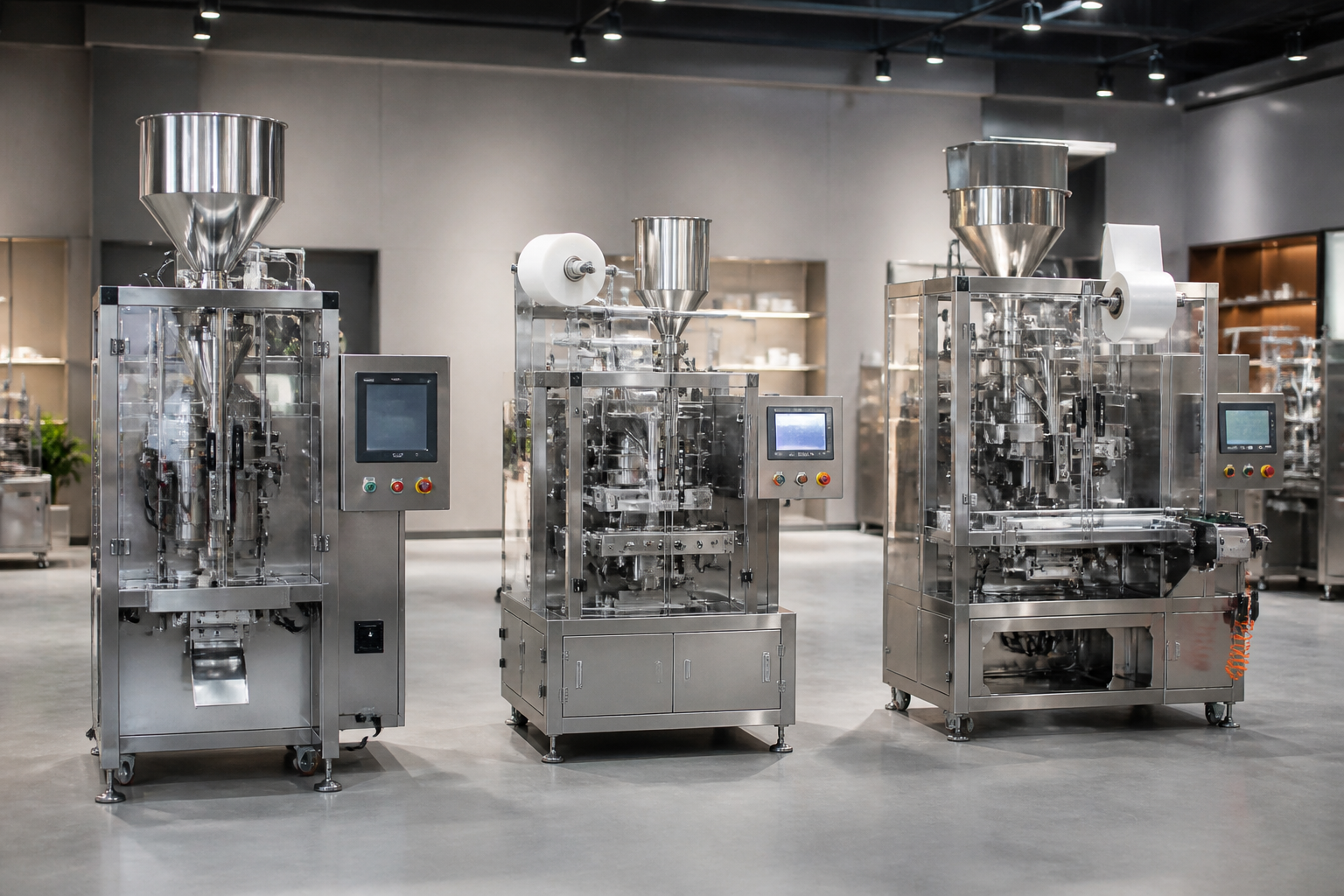
Understanding the Core Types of Packing Machines
Before comparing models and suppliers, you need to map your product characteristics to the correct machine category. Not all packing machines are equal, and a mismatch here will cost you far more than a price difference.
The main categories relevant to coffee and tea operations are:
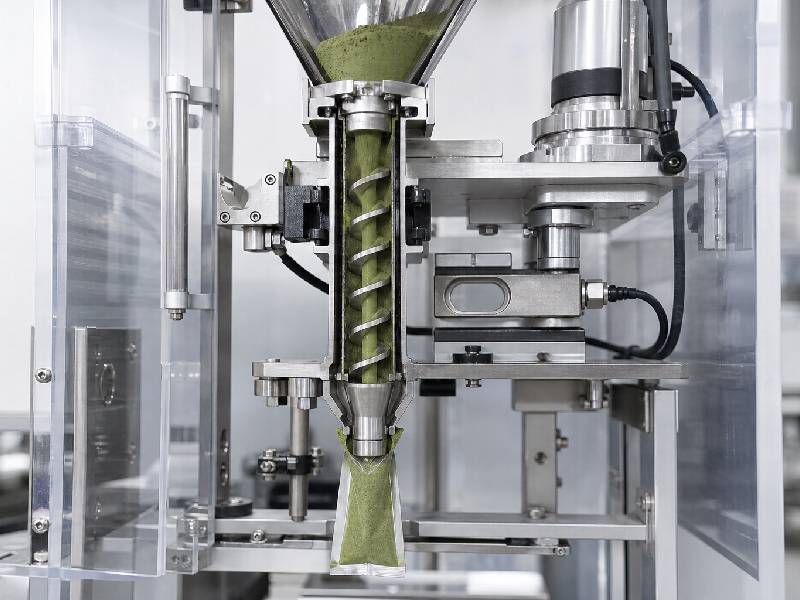
• Powder filling and sealing machines – calibrated for ground coffee (10–500 g), matcha, herbal blends
• Granule / bean packing machines – pre-made pouch systems designed for whole coffee beans (100–1,000 g), with gentle handling to minimize breakage
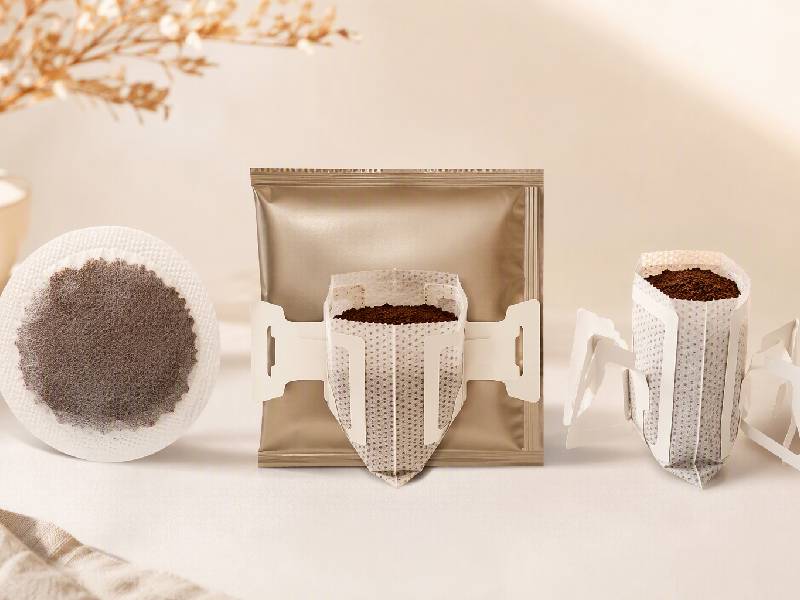
• Drip coffee bag packing machines – fill and seal UFO, horizontal, or vertical ear-style filter bags
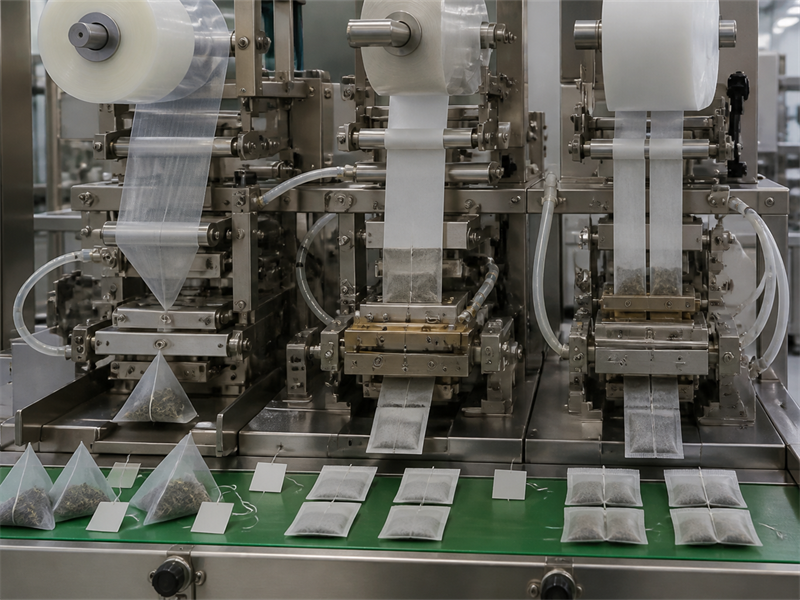
• Tea bag packing machines – pyramid, flat, double-chamber formats with optional thread, tag, and outer envelope
• Bag-sealing machines (auto sealing machine) – re-seal or seal pre-filled pouches with heat or ultrasonic technology
• Capsule filling machines – fill and seal Nespresso-compatible or Dolce-compatible capsules
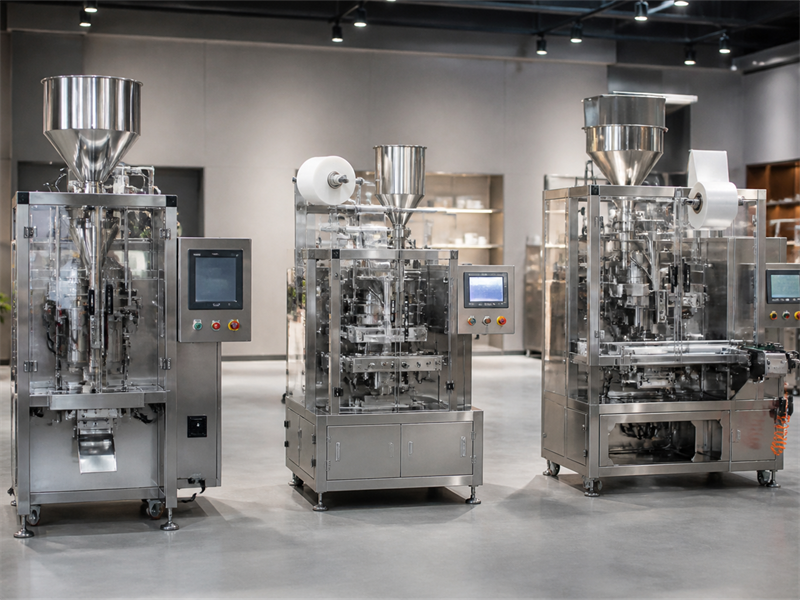
Each machine type comes in three automation tiers: manual, semi-automatic, and fully automatic. Manual sealers suit boutique roasters producing under 200 bags per hour. Semi-automatic machines bridge the gap for mid-scale brands. Fully automatic lines — servo-driven with PLC and touchscreen control — are designed for factories producing 1,000–6,000+ bags per hour.
Key Technical Parameters to Evaluate
When you request a quotation from any packing machine manufacturer, ask for these specific data points. Vague answers are a red flag.
| Parameter | Why It Matters | Tonchant Reference Range |
| Filling accuracy (±%) | Determines regulatory compliance and cost of waste | ±0.5–1.5% depending on product density |
| Speed (bags/min or bags/hr) | Matches your production plan | 20–100 bags/min depending on model |
| Sealing technology | Ultrasonic vs. heat-seal affects seal integrity | Ultrasonic and advanced heat-sealing both available |
| Control system | PLC + touchscreen is the industry standard for reliable automation | Servo motor + PLC + touchscreen on all auto models |
| Materials in contact with product | SUS304 stainless steel required for food-grade compliance | SUS304 throughout all product-contact parts |
| Supported bag formats | Determines flexibility as your product range grows | Back-seal, side-seal, pre-made pouch, drip bag, pyramid, capsule |
| MOQ (for purchasing) | Affects cash flow for smaller buyers | 1 unit (all standard models) |
The Critical Role of Material Expertise
A generalist packaging machine manufacturer — one who also packs hardware screws and shampoo sachets — has no incentive to understand coffee degassing or the fragility of whole-leaf oolong. This knowledge gap produces machines that oxidize your coffee by not accommodating nitrogen flushing, or that shatter delicate tea leaves by using excessive vibration feeding.
Tonchant Machinery has spent over 20 years building machines exclusively for coffee and tea. Our engineers understand that high-oil Ethiopian Yirgacheffe beans behave differently from low-oil robusta blends. Our fillers are calibrated to each product's specific density and flow rate. This is not a generic capability — it is a specialization built over two decades of working directly with roasters and tea farms across 30+ countries.
Supplier Audit Checklist Before You Commit
Before signing any purchase agreement with a packing machine manufacturer, request the following:
• Factory visit or live video factory tour — verify real production capacity and R&D team
• CE, ISO 9001, and FDA certification copies — required for export to EU, North America, and Australia
• Real-material test run — never accept a demo on empty bags; your actual coffee or tea must be used
• Spare parts availability commitment — ask specifically about lead time for servo motors and PLC modules
• After-sales support structure — 24/7 support vs. business-hours-only is a meaningful operational difference
At Tonchant, we welcome buyers to our Xiamen facility at any time. We run real-material testing with your product before shipment. All our standard machines carry a 1-year full warranty with a 2-year warranty on core components (motor, PLC, control system).
Conclusion & Next Step
Choosing the right packing machine is a three-step process: match your product type to the correct machine category, verify the technical parameters against your production targets, and audit the supplier for genuine industry expertise and certification. Skipping any one of these steps is the primary reason most buyers end up with a machine that underperforms.
> Looking for a verified packing machine manufacturer with 20+ years of specialization in coffee and tea?
> Get a free specification consultation & FOB quote within 24 hours →
> Or request our latest catalog with full spec sheets.