
 EN
EN
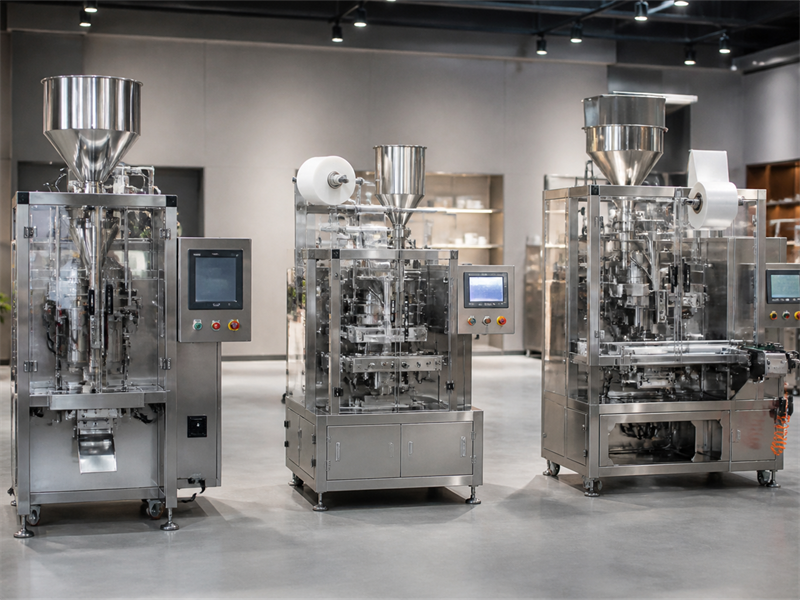
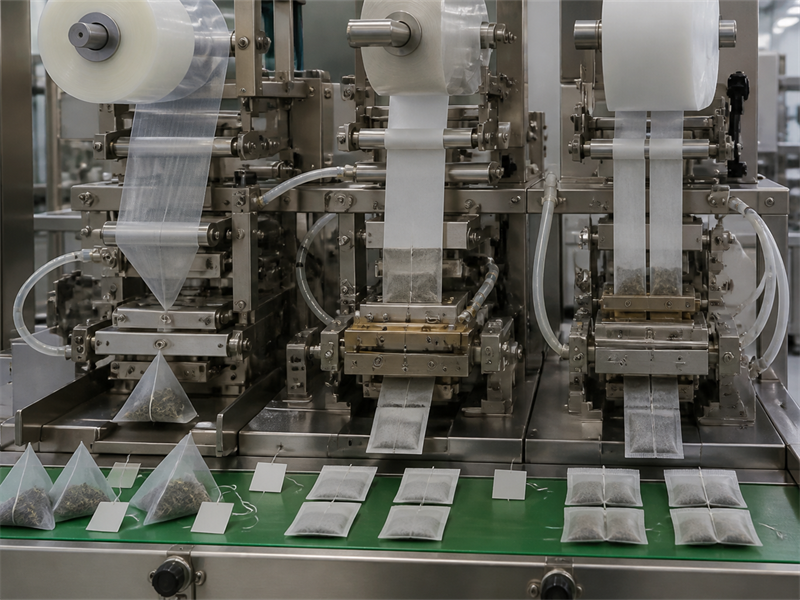
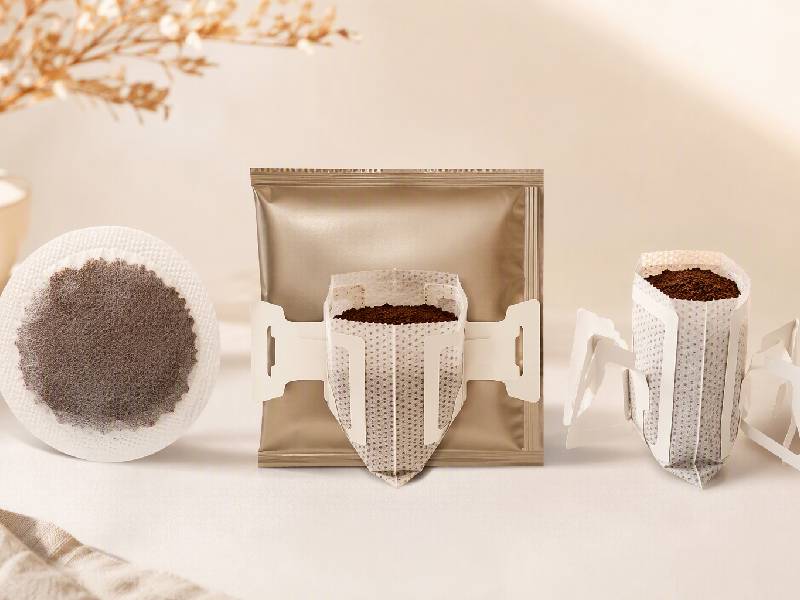
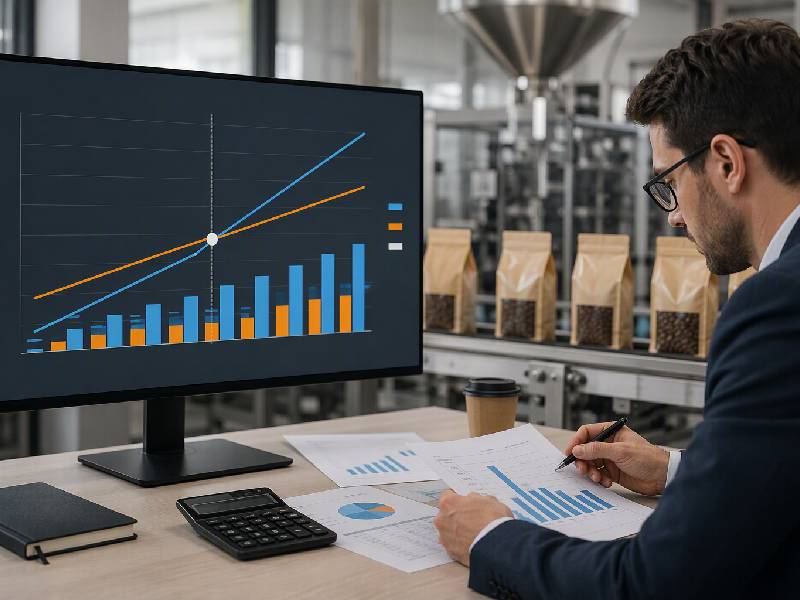
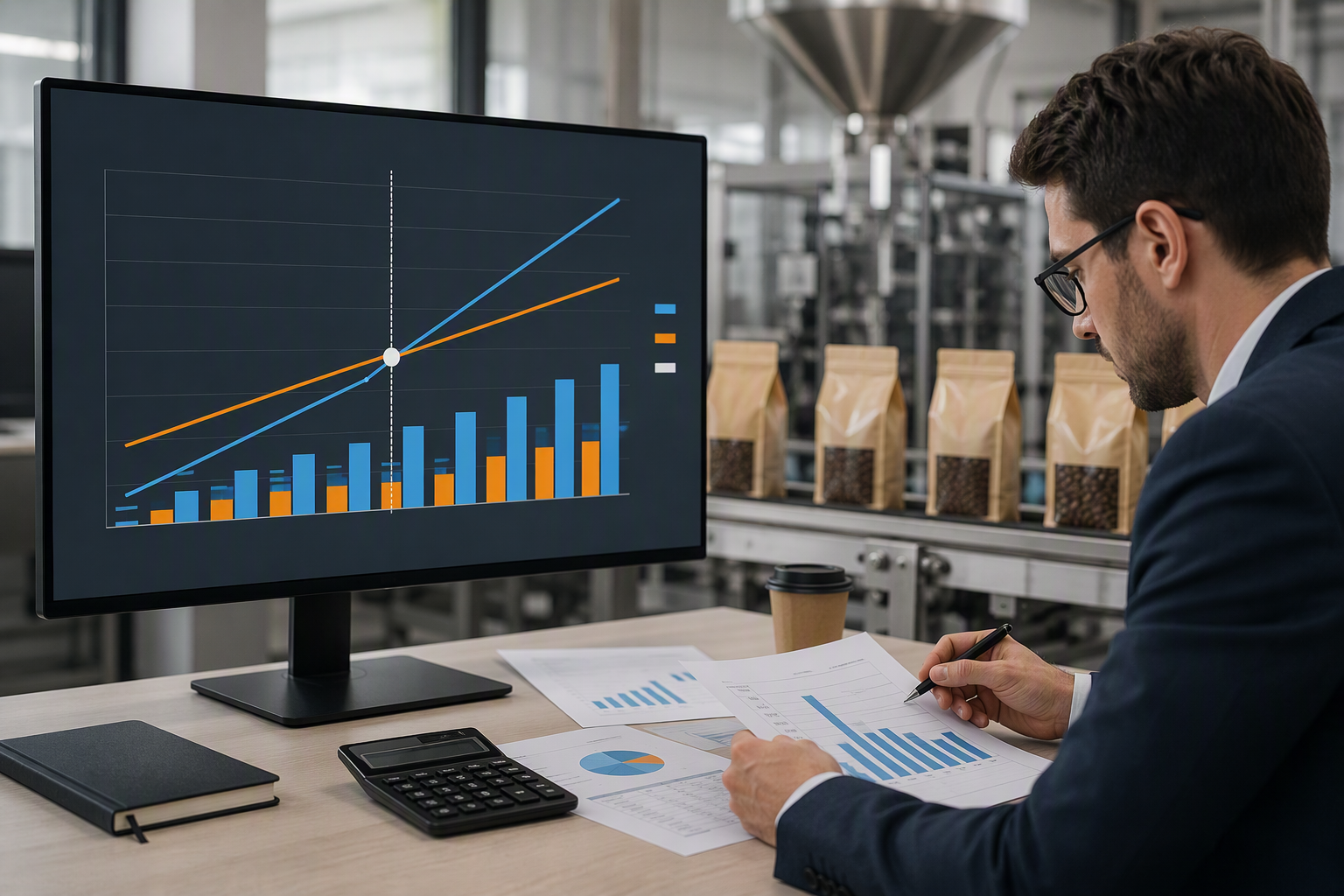
Investing in an automatic coffee packaging machine is a capital expenditure decision that requires a rigorous financial justification, not a gut-feel estimate of how much time it might save. For roasters who currently seal coffee bags by hand or are operating a semi-automatic machine, the ROI case for upgrading to automation is often stronger than expected — but only if it is built from real operational data. This article walks through a practical ROI calculation framework using typical parameters from Tonchant Pack machine performance data, which buyers can adapt to their specific cost structure.
Step 1: Establish Your Current Production Cost per 1,000 Bags (Manual or Semi-Auto)
Start with your current packaging cost before any machine investment.
Example baseline: Manual sealing operation, 500 g coffee bags
• Current output: 150 bags/hour (1 skilled operator)
• Labor cost: USD 18/hour (including employer contributions)
• Packaging material cost: USD 0.45/bag (pre-made stand-up pouch + valve)
• Machine maintenance: USD 0 (manual sealer, negligible)
• Labor cost per 1,000 bags: (1,000 ÷ 150) × USD 18 = USD 120/1,000 bags
• Total cost per 1,000 bags (labor + materials): USD 120 + USD 450 = USD 570
Step 2: Calculate Projected Production Cost Post-Investment
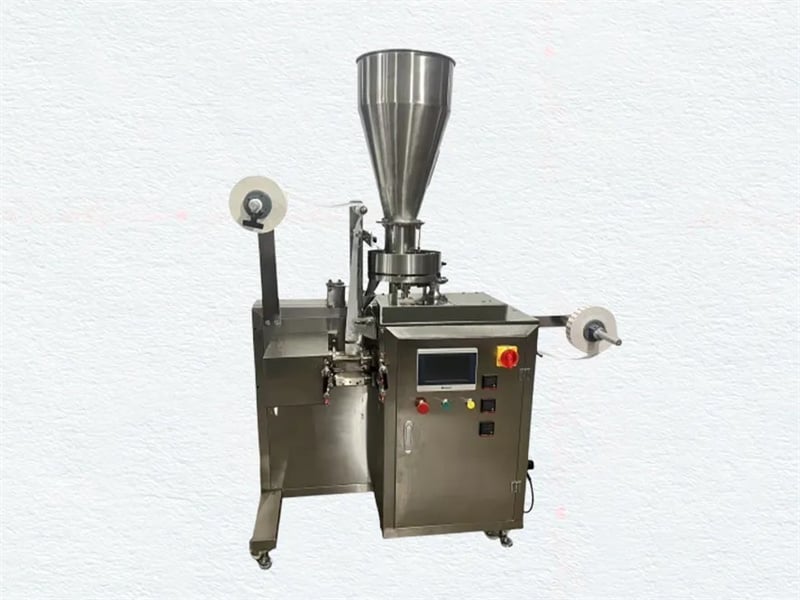
Example: Tonchant semi-automatic coffee bean packing machine upgrade
• Machine cost: USD 8,500 (FOB, semi-automatic, 100–1,000 g range)
• Output: 900 bags/hour (1 part-time monitoring operator)
• Labor cost post-automation: USD 6/hour (0.33 operator × USD 18/hour)
• Materials cost: same USD 0.45/bag
• Machine maintenance (annual): USD 350 estimated (sealing elements, routine service)
• Machine depreciation (5-year straight line): USD 1,700/year → USD 0.31/hour at 5,500 production hours/year
• Labor cost per 1,000 bags: (1,000 ÷ 900) × USD 6 = USD 6.67/1,000 bags
• Depreciation cost per 1,000 bags: (0.31 per hour ÷ 900 bags/hour) × 1,000 = USD 0.34/1,000 bags
• Total cost per 1,000 bags (labor + materials + depreciation): USD 6.67 + USD 450 + USD 0.34 = USD 457
Step 3: Calculate Savings and Payback Period
| Metric | Value |
| Cost saving per 1,000 bags | USD 570 − USD 457 = USD 113 |
| Annual production volume (example: 250 days × 8 hrs × 900 bags/hr) | 1,800,000 bags |
| Annual saving (1,800,000 ÷ 1,000 × USD 113) | USD 203,400 |
| Machine investment cost | USD 8,500 |
| Simple payback period | USD 8,500 ÷ USD 203,400 = 0.04 years (~15 days) |
This example uses high production volume. At lower volumes (e.g., 200,000 bags/year), the payback period extends to approximately 4.5 months — still a strong ROI for a capital asset with a 5–7 year operational life.
Step 4: Include Quality Improvement Benefits
The financial value of quality improvements from automation is often excluded from ROI calculations because it is harder to quantify. However, these benefits are real:
• Reduced seal failure rate: automated sealing reduces seal failures from approximately 0.5–1.5% (manual) to <0.1% (automated), directly reducing customer returns and repackaging costs
• Consistent fill weight: automated filling reduces give-away (over-filling to ensure regulatory compliance) from typically 2–3% over target weight (manual) to <0.5%, saving material cost
• Labor redeployment: the operator displaced from packaging can be redeployed to roasting, quality control, or order fulfillment — functions that directly generate revenue
Conclusion & Next Step
The ROI case for coffee packaging automation is typically strong, even at medium production volumes. Build your calculation from real labor costs, current output rates, and projected machine throughput. For most roasters currently sealing manually, the payback period for a quality semi-automatic or automatic packing machine is measured in weeks to months, not years.
> Ready to model the ROI for your specific operation?
> Contact Tonchant Pack for a free consultation — we'll help you build the numbers →
> We provide transparent pricing and performance specifications to support your investment case.