
 EN
EN
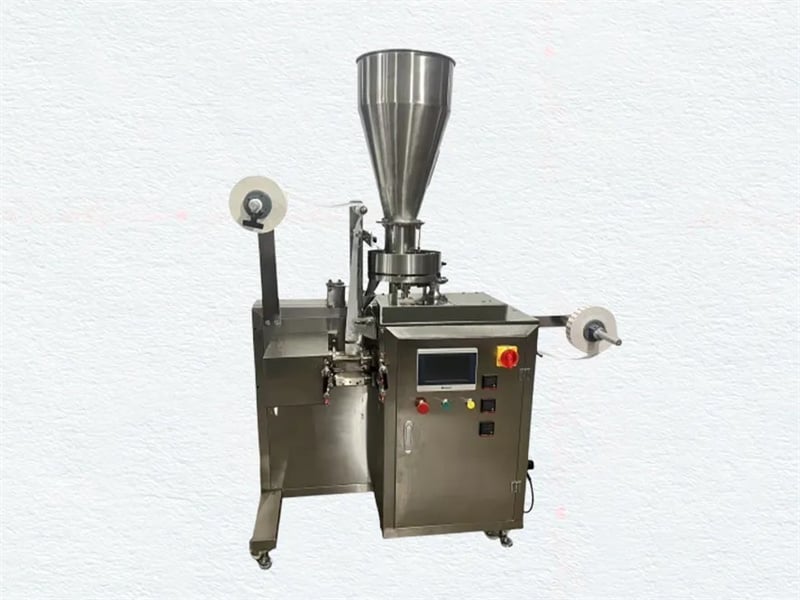
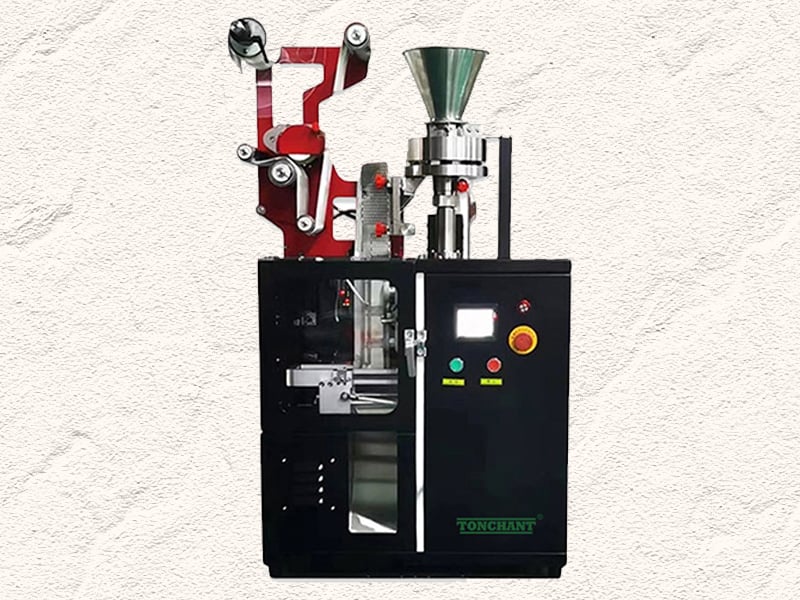
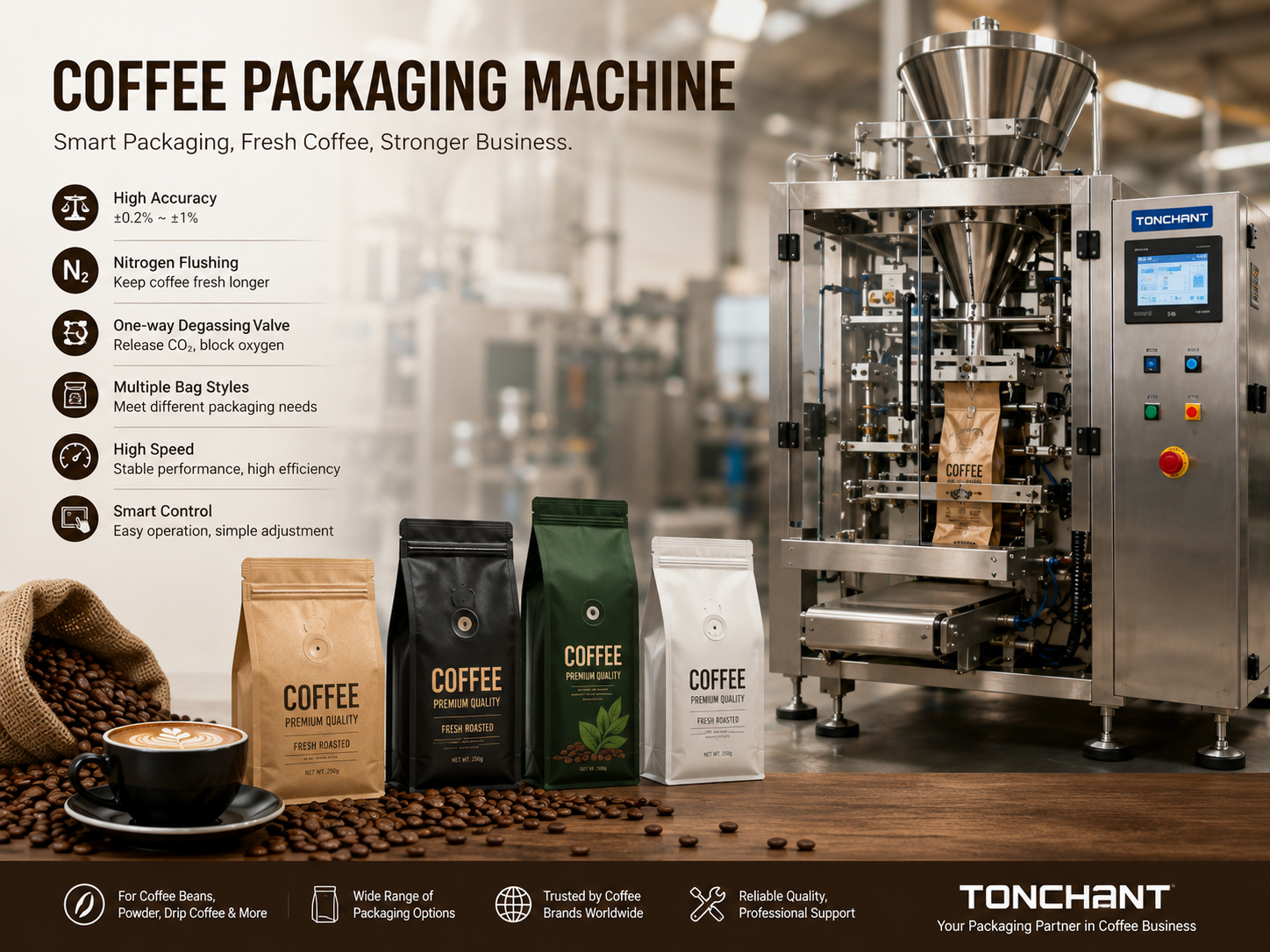
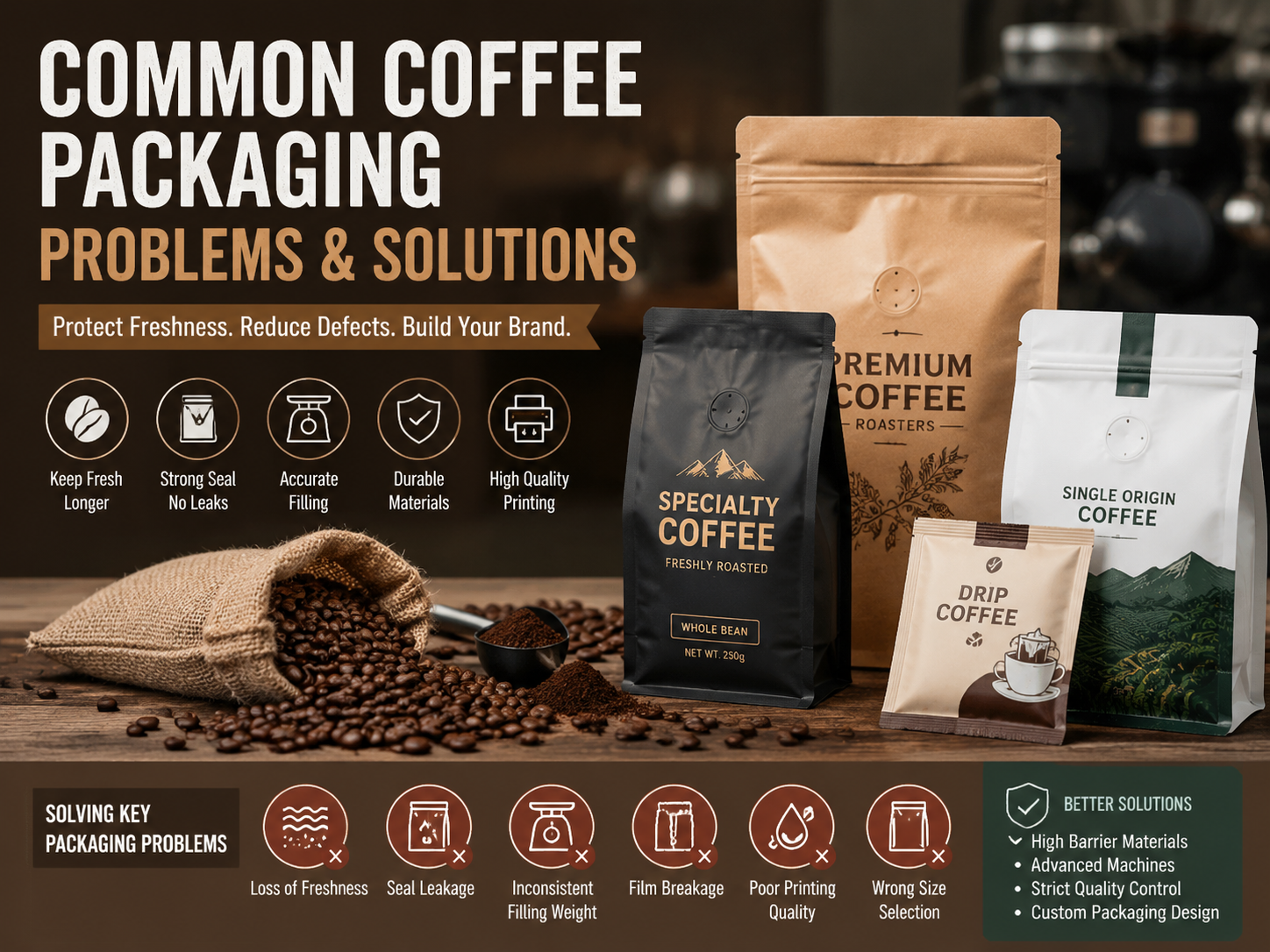
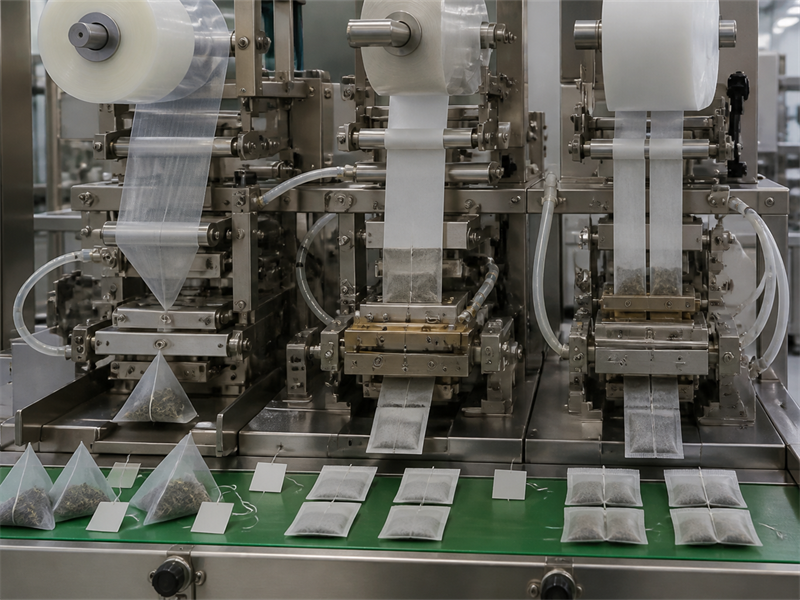
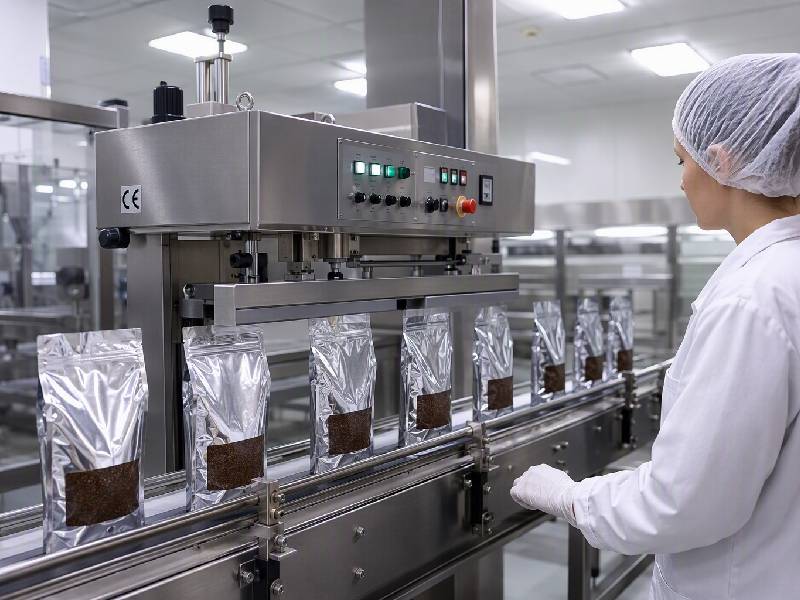
Walk into any food manufacturing facility and you will find bag sealer machines at almost every stage of the production line — from sealing retail pouches of ground coffee to closing bulk packaging for industrial ingredient transfer. Yet the functional and technical differences between a desktop impulse sealer purchased from an office supply catalog and an industrial-grade auto sealing machine designed for continuous food production are enormous. For food manufacturers evaluating their sealing equipment, understanding these differences prevents costly mismatches between the sealing solution and the production environment.
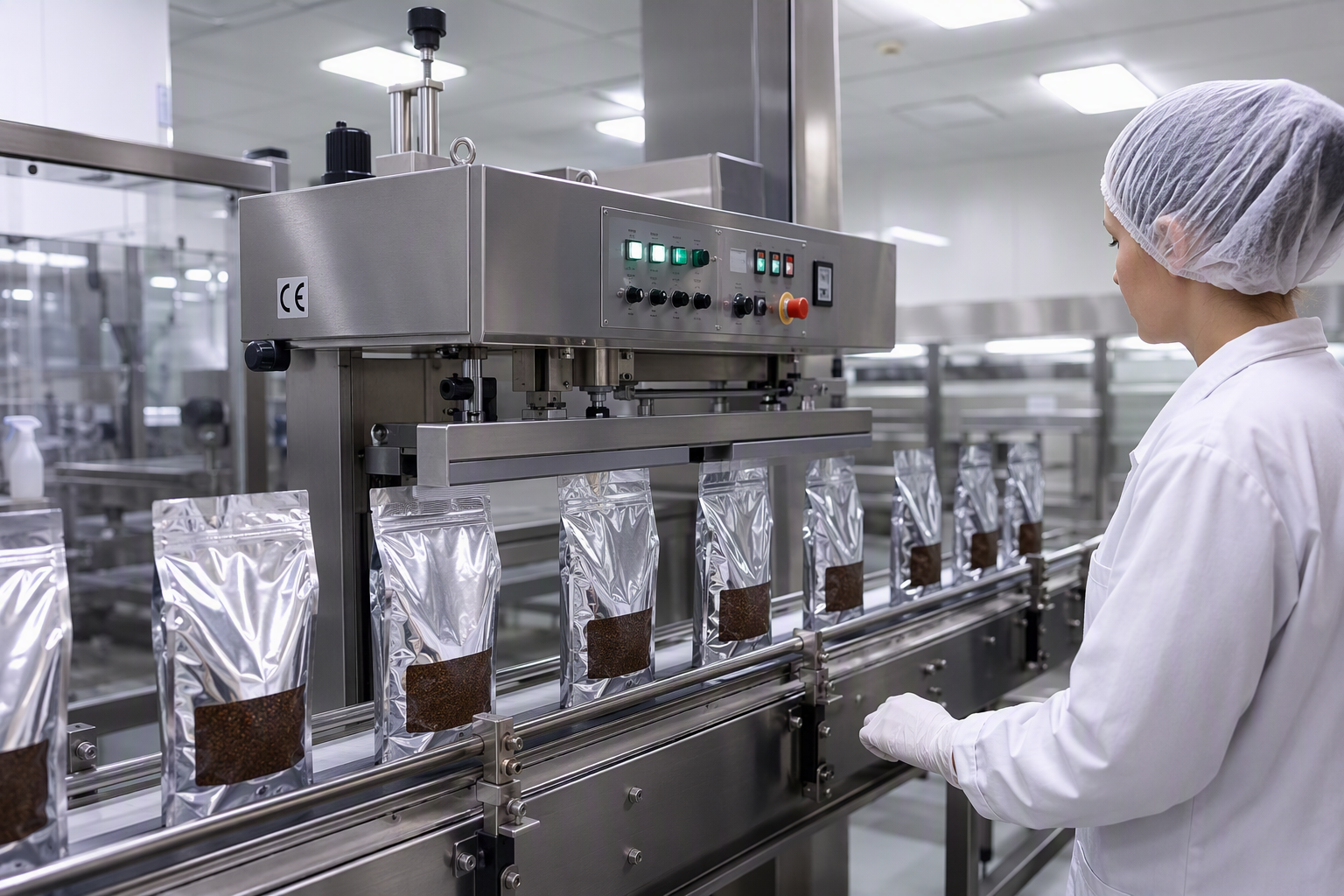
The Functional Spectrum of Bag Sealer Machines
Bag sealer machines for food production exist on a spectrum defined by three variables: throughput requirement, seal width and integrity specification, and compliance with food safety standards.
Desktop impulse sealers (150–400 mm seal bar): designed for low-volume packaging operations, typically retail or e-commerce fulfillment. Maximum continuous-use throughput is typically 200–500 seals per hour before the element overheats. These are not suitable for food manufacturing environments with consistent daily production volumes.
Semi-automatic industrial bag sealers (300–1,000 mm seal bar): foot-pedal or hand-operated machines with industrial heating elements designed for continuous use. Throughput: 600–1,500 seals/hour with one operator. The correct choice for small-to-mid-size food brands packaging 500–3,000 units/day.
Fully automatic inline bag sealers (integrated with filling systems): conveyor-driven sealing stations that operate continuously without manual intervention. Throughput: 1,500–8,000+ seals/hour. Required for any food production operation targeting retail distribution.
Food Safety Compliance: What Your Bag Sealer Machine Must Meet
Any bag sealer machine used in a food manufacturing environment must meet specific material and process standards, regardless of throughput.
• Product-contact surfaces: all components that touch the packaging material or could contact food must be constructed of SUS304 or SUS316 stainless steel, or food-grade polymer materials
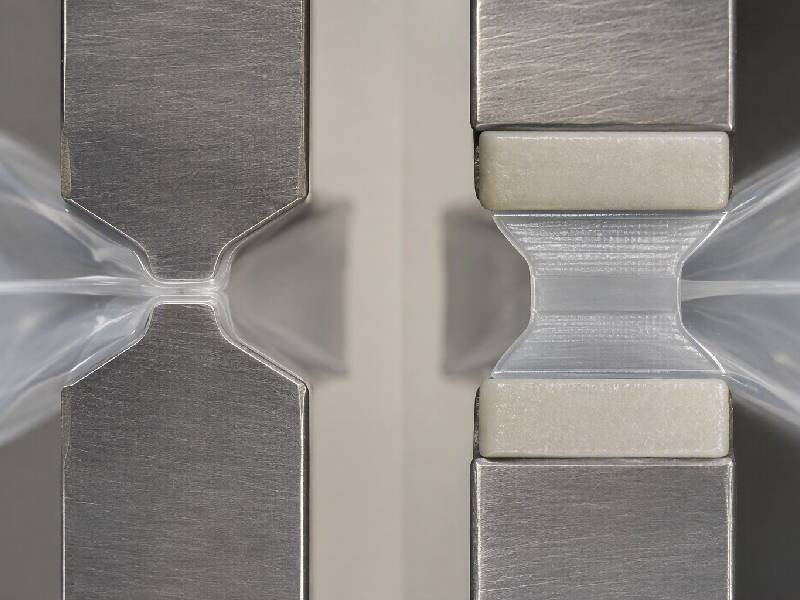
• Sealing bar coatings: PTFE (Teflon) coating is the standard for heat-sealing bars in food applications; silicone is acceptable for lower-temperature applications
• CE Machinery Directive compliance: required for any machine sold into or operating in the EU
• Cleaning-in-place (CIP) design: machines used in high-hygiene food environments should have minimal crevices where product can accumulate; stainless construction with accessible cleaning points is the design standard
Seal Width and Strength Specifications
The seal on a food bag must prevent not just air infiltration but also liquid egress under transport stress and compression loading. The relevant technical parameters are:
| Seal Parameter | Standard Retail Specification | Export/Shelf-Life Specification |
| Seal width | ≥6 mm | ≥8–10 mm |
| Seal strength (peel test) | ≥15 N/15 mm | ≥20–25 N/15 mm |
| Seal integrity (burst test) | ≥15 kPa | ≥20 kPa |
| Temperature uniformity across seal bar | ±5°C | ±3°C |
Tonchant's semi-automatic bag sealer machines produce a consistent 10 mm seal width with temperature uniformity across the full bar length. All machines are tested before shipment to confirm seal strength against the food packaging industry standard.
Energy Efficiency and Operating Cost
One frequently overlooked factor in the TCO of a bag sealer machine is energy consumption. Impulse sealers draw energy only during the seal cycle, making them energy-efficient at low throughput. Continuous-duty industrial sealers maintain a heated element at operating temperature throughout the shift, consuming more energy but enabling continuous production without cool-down cycles.
For a mid-sized food packaging operation running 8 hours per day, the energy cost difference between a low-quality continuous-duty sealer and a properly engineered industrial model can represent 15–25% of operating cost over 3 years, due primarily to inefficient element heating and higher breakdown frequency in lower-specification equipment.
Conclusion & Next Step
Match your bag sealer machine to your actual production volume, not your projected maximum. Verify food-contact material compliance before purchase. For any operation that intends to sell to grocery retailers or export markets, CE certification and documented seal strength testing are non-negotiable requirements.
> Looking for a CE-certified bag sealer machine for food production?
> Get a free specification and FOB quote from Tonchant Pack within 24 hours →
> MOQ: 1 unit. Lead time: 15–25 days. Global shipping available.