
 EN
EN
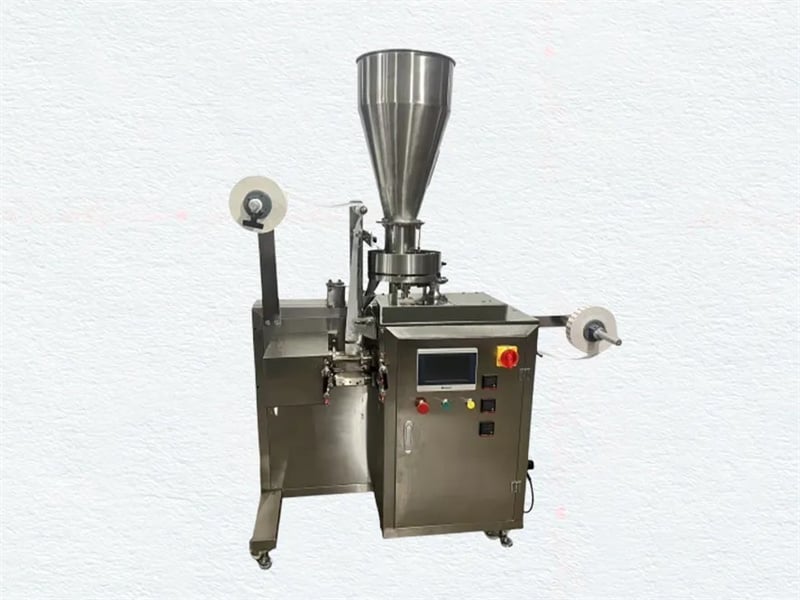

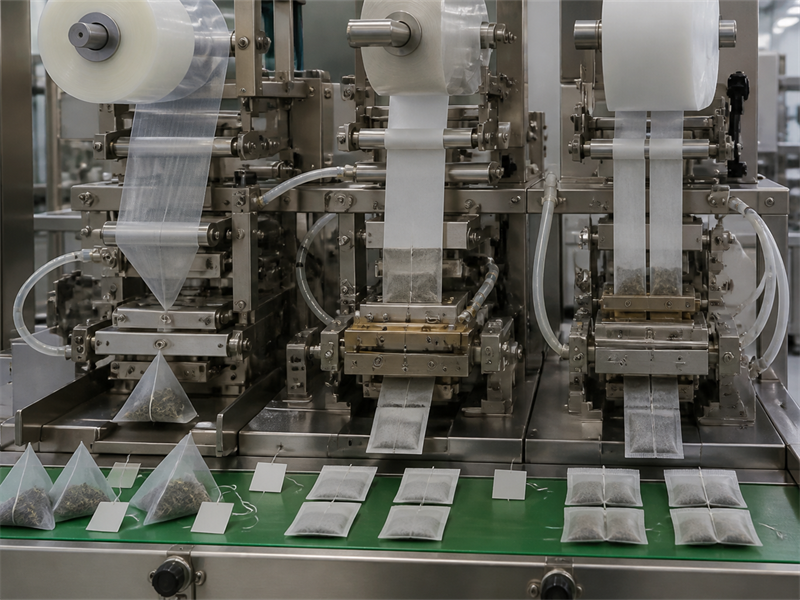
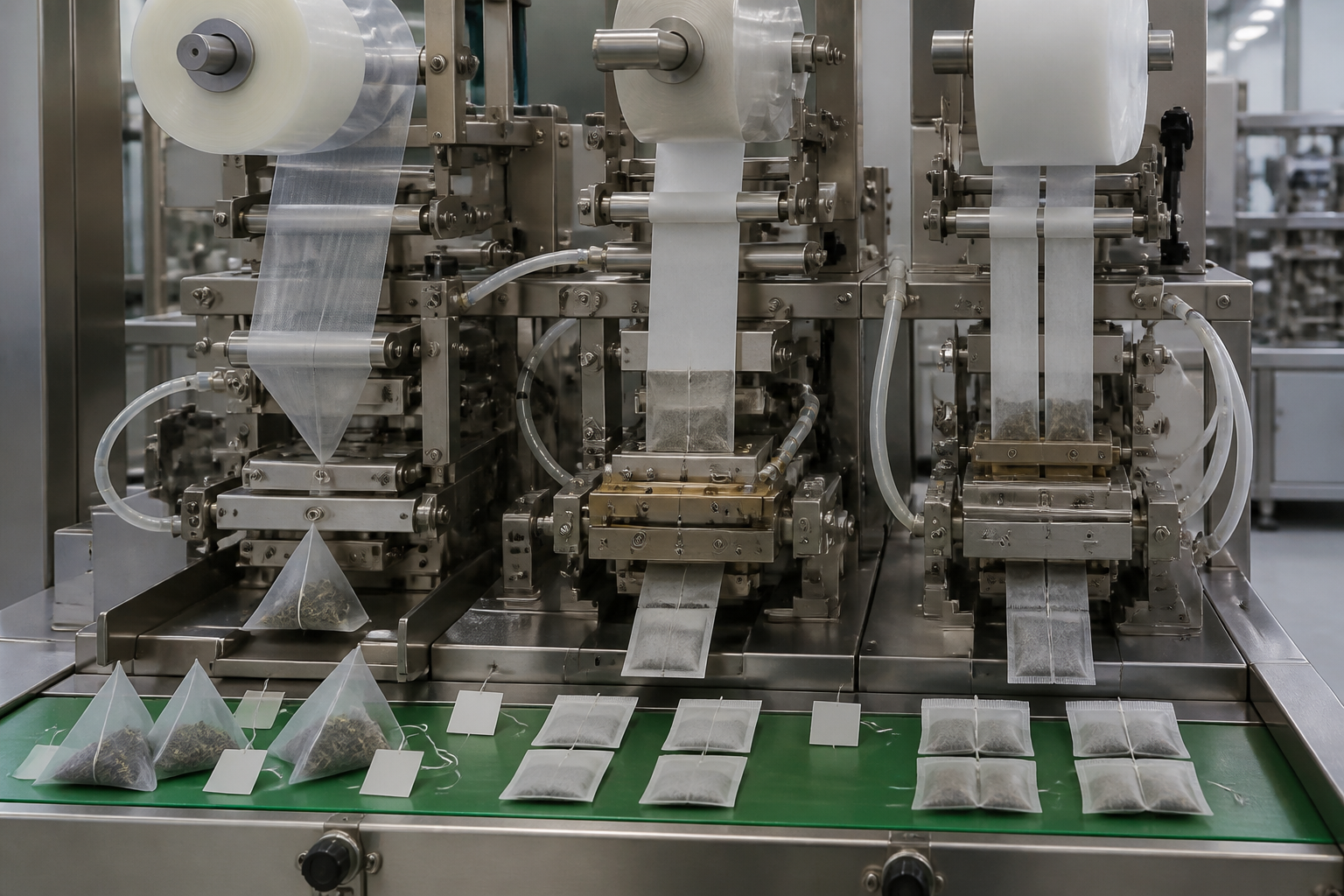
The tea bag format you choose directly affects your product's retail positioning, material costs, and the type of tea bag packing machine you need to purchase. A pyramid bag that holds whole-leaf silver needle white tea signals premium quality to the consumer. A flat filter paper bag with a thread and tag is the global industry standard for commodity tea. A double-chamber bag with an outer envelope is preferred in markets such as Germany and the United Kingdom where presentation and hygiene perception drive purchase decisions. This guide is designed for tea producers and packaging professionals who need to match the right tea bag packing machine to their specific product and market requirements.
Tea Bag Format Overview
Understanding the mechanical and commercial differences between formats is the prerequisite for selecting the correct machine.
| Format | Material | Best Tea Type | Typical Speed | Key Markets |
| Flat filter paper with thread & tag | Non-woven or filter paper | CTC, dust, fannings | 60–120 bags/min | Global commodity markets |
| Pyramid (nylon or PLA mesh) | Mesh material | Whole leaf, herbal, fruit blend | 25–60 bags/min | Premium retail, Europe, North America |
| Double-chamber bag | Filter paper | CTC, broken leaf | 40–80 bags/min | UK, Germany, Middle East |
| Pyramid + outer envelope | Mesh + paper | Whole leaf specialty | 20–45 bags/min | Premium gifting, specialty retail |
Each format requires a different sealing mechanism and forming die. This means the machine is fundamentally format-specific — you cannot easily switch a flat-bag machine to produce pyramid bags. Buyers expanding into multiple formats should evaluate modular machines or plan a separate production line per format.
Pyramid Tea Bag Machines: What to Check
The pyramid format has grown from a premium niche to a mainstream retail product in the EU and North America over the past decade. The engineering challenge is forming the three-dimensional pyramid shape while maintaining consistent fill weight and a seal that does not leak fine tea particles.
Critical Specifications for Pyramid Machines
• Forming die precision — the pyramid shape must be consistent batch to batch; look for stainless steel dies with a tolerance of ±0.5 mm
• Seal temperature control — nylon mesh sealing requires precise temperature management (typically 140–180°C) to avoid burning the material
• Fill range — most premium pyramid bags contain 1.8–3.5 g of tea; machine accuracy should be ±0.1 g at this low weight
• Speed — commercial minimum for a pyramid line is 25 bags/min; high-speed lines achieve 60 bags/min
Tonchant's vertical and horizontal pyramid tea bag packing machines support bag sizes from 55×60 mm to 80×90 mm with outer envelope capability. Both machine orientations are available to suit different production floor layouts.
Double-Chamber Tea Bag Machines
The double-chamber format — a bi-fold filter paper bag creating two separate compartments — remains the gold standard in the UK commercial tea market, used by brands that supply major grocery retailers. The machine forms the bag from a flat paper roll, fills two chambers simultaneously, folds, seals, and attaches a thread and tag.
Key parameter to verify: thread length (155–200 mm is standard for most commercial formats) and bag size compatibility (40×60 mm or 45×60 mm are the most common specifications in the EU and UK markets).
Tonchant offers both semi-automatic double-chamber machines (20–40 bags/min, suitable for small and medium tea brands) and fully automatic double-chamber systems (up to 120 bags/min with outer envelope, for large-scale production).
Certification and Compliance for Tea Bag Machines
Tea is a food product, and the machines that package it must comply with food-contact material regulations in export markets.
• CE certification — mandatory for machinery sold in the European Economic Area
• ISO 9001 quality management — demonstrates documented process control at the manufacturing stage
• FDA compliance — for North American export; all product-contact parts should be SUS304 stainless steel or food-grade plastics
• PLA-compatible options — biodegradable mesh is increasingly required by EU retailers committed to sustainability targets
Tonchant's tea bag packing machines carry CE, ISO 9001, and FDA certifications, with documentation available for customs clearance in all major importing markets.
Conclusion & Next Step
Selecting a tea bag packing machine starts with the format decision. Once you know whether you are producing flat, pyramid, or double-chamber bags, map your daily volume target to the appropriate automation level, verify material compatibility, and audit the supplier for food-grade compliance certifications.
> Looking for a certified tea bag packing machine supplier with OEM support?
> Get a free format consultation and FOB quote within 24 hours →
> Or request our full tea machine product catalog.