
 EN
EN
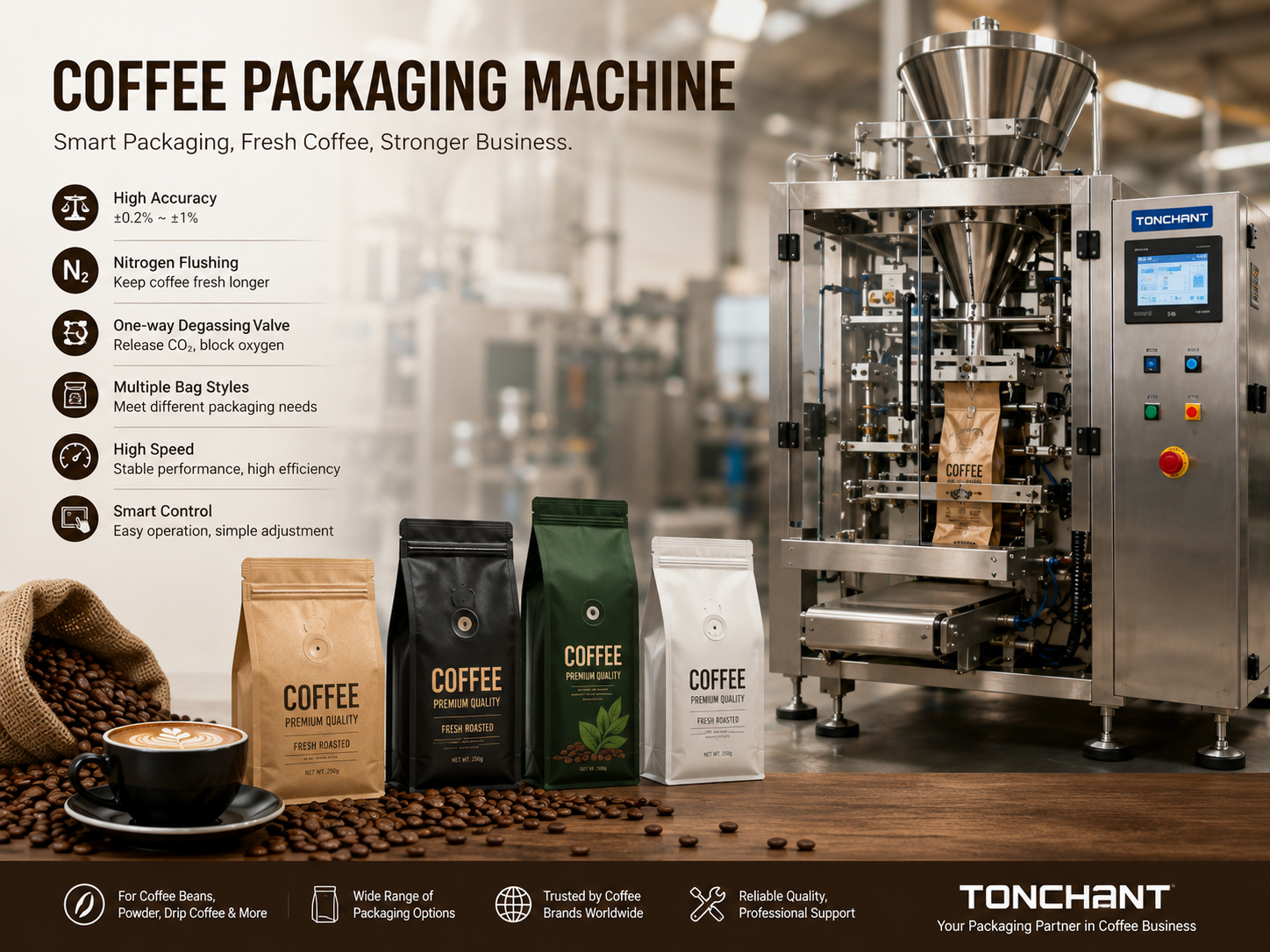
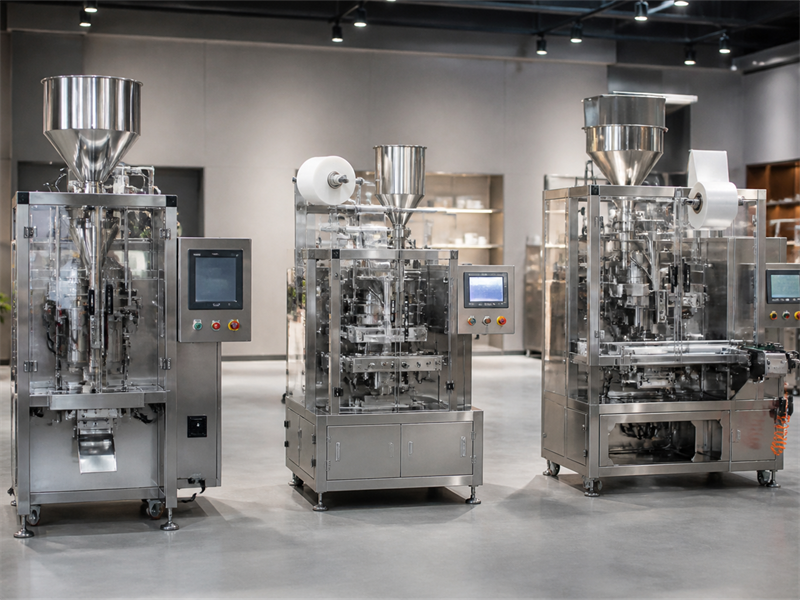
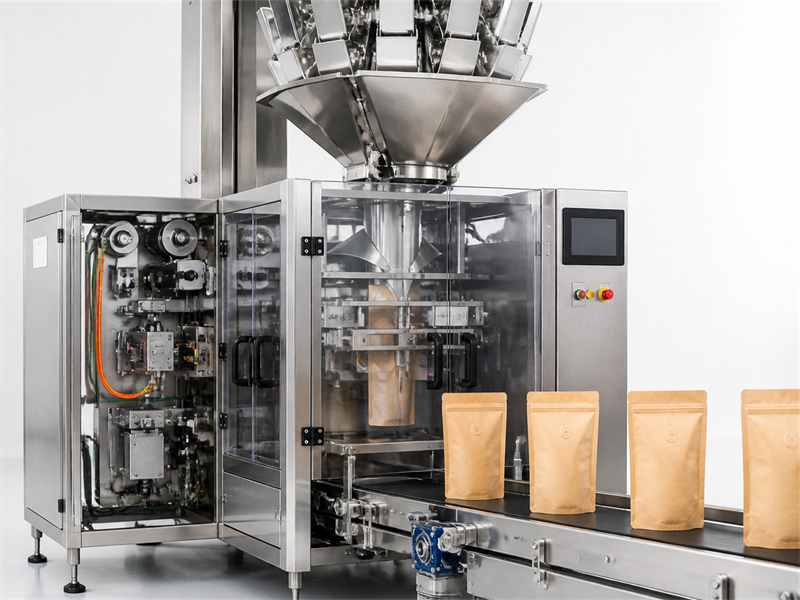
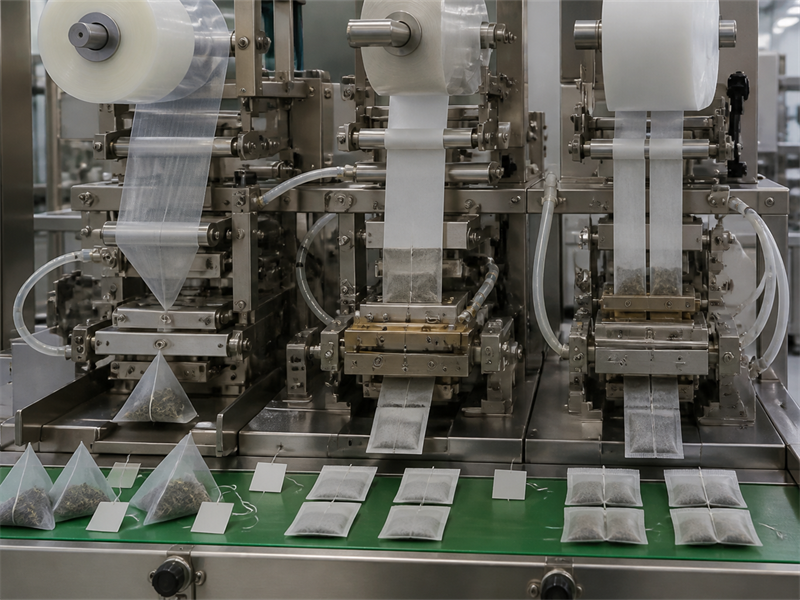

Tonchant Package Machinery, a leading global provider of packaging solutions, today releases a professional guide to help coffee brands, particularly those in the Middle East market, optimize their packaging strategies for export.
The packaging requirements for ground coffee and whole bean coffee differ significantly due to their distinct characteristics. For brands planning to export, correct packaging is crucial for guaranteeing product freshness, flavor, and market competitiveness.
Packaging Solutions for Ground Coffee:
Once ground, coffee has a vastly increased surface area exposed to oxygen, making it highly susceptible to oxidation and staling. Therefore, the focus of packaging is on barrier protection and degassing. We recommend using stand-up pouches made of foil-lined composite materials with integrated one-way degassing valves. This packaging effectively blocks oxygen and light, while allowing the carbon dioxide released by the coffee to escape safely, preventing bag bloating or rupture—a critical factor for long-distance sea freight and destination shelf storage.
Packaging Solutions for Whole Bean Coffee:
Whole beans continue to release significant amounts of carbon dioxide after roasting. The focus of their packaging is on degassing and pressure resistance. Packaging with a one-way degassing valve is also essential here, but the materials require higher mechanical strength to withstand the physical impact of the beans and stacking pressure. Furthermore, sufficient headspace inside the package is vital for gas evacuation, ensuring packaging integrity.
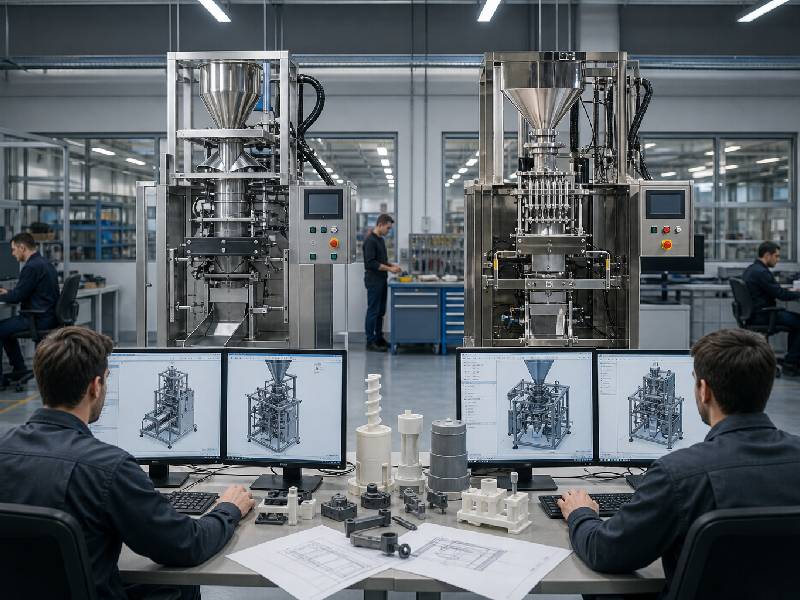
Selecting the appropriate packaging is a testament to a brand's commitment to quality. Our fully automatic packaging machines, specifically designed for coffee export, are precision-engineered to meet these two distinct needs. They ensure optimal freshness from filling to sealing, helping your brand win trust in the international marketplace.