
 EN
EN
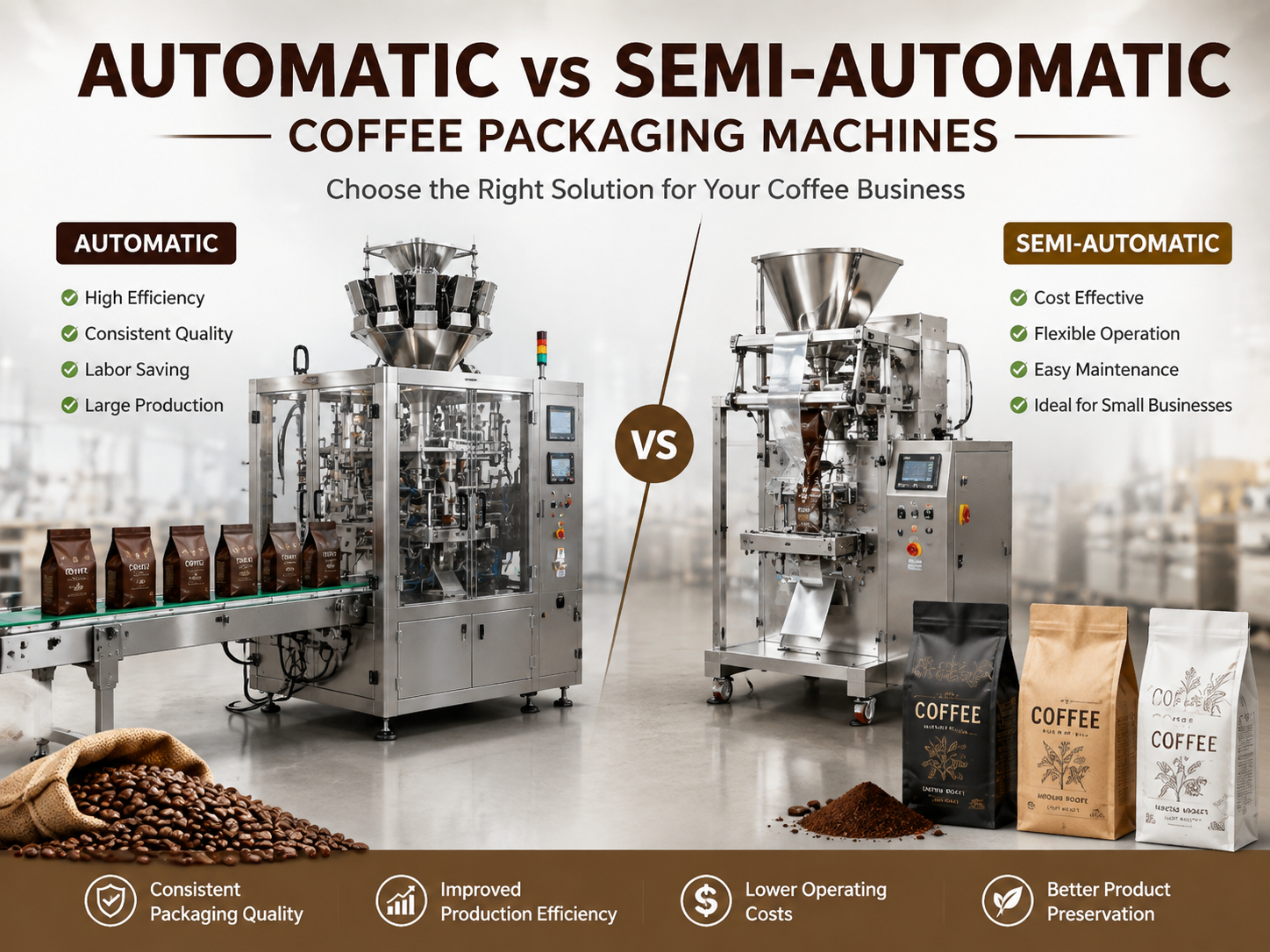
Automatic vs Semi-Automatic Coffee Packaging Machines: A Practical Buyer Guide for Coffee Businesses
Introduction
For coffee brands, packaging is more than simply putting roasted beans or ground coffee into a bag. It is the final step that protects freshness, preserves aroma, and shapes how customers experience the product. A well-designed package can communicate quality before a customer even opens it.
As coffee consumption continues to expand worldwide, more roasters, private-label suppliers, and coffee exporters are upgrading their packaging operations. However, one question appears frequently during equipment selection:
Should you choose an automatic coffee packaging machine or a semi automatic coffee packaging machine?
There is no universal answer. A small specialty coffee roaster producing a few hundred bags per day has very different needs from a large coffee manufacturer supplying supermarkets across multiple countries.
The right choice depends on production volume, labor costs, packaging format, product type, and future growth plans. Some companies need maximum speed and automation, while others need flexibility and lower investment.
This guide provides a detailed coffee packing machine comparison to help buyers understand the differences between automatic and semi-automatic solutions, including applications, materials, customization options, MOQ, lead time, certifications, and practical purchasing considerations.
1. Understanding Coffee Packaging Machines
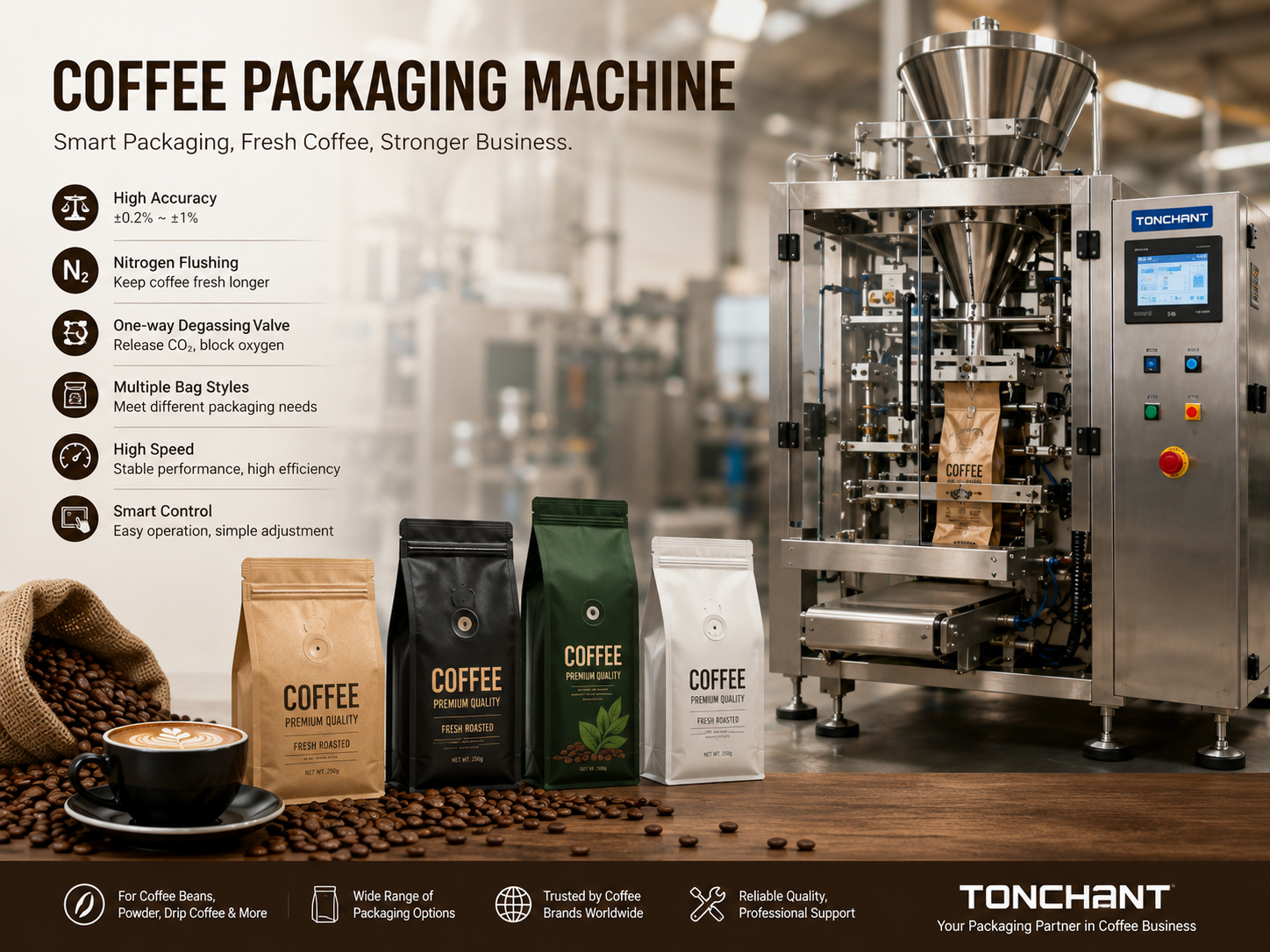
A coffee packaging machine is designed to automate the process of filling and sealing coffee products while maintaining accuracy and packaging quality.
Depending on the model, a coffee packing machine can handle:
- Coffee bean weighing and filling
- Ground coffee dosing
- Bag opening and positioning
- Nitrogen flushing
- Heat sealing
- Date coding
- Product discharge
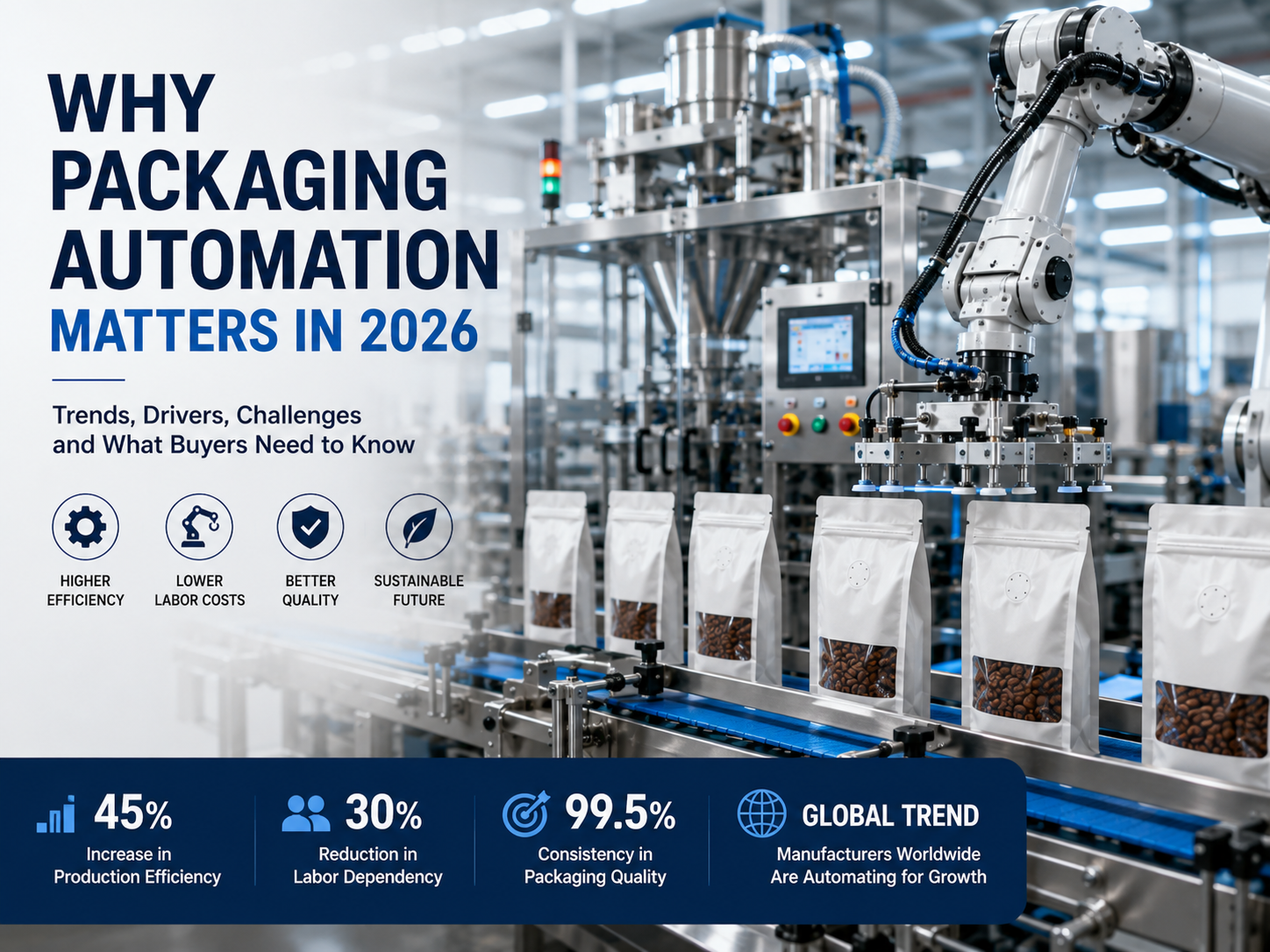
Modern coffee packaging equipment has evolved significantly. Today’s systems are not only focused on speed but also on reducing waste, improving consistency, and helping brands respond faster to changing market demands.
For many coffee companies, the packaging process directly affects profitability. A machine that reduces filling errors, minimizes material waste, and lowers labor requirements can create significant savings over time.
The two main categories used in the coffee industry are:
- Automatic coffee packaging machines
- Semi automatic coffee packaging machines
2. Automatic Coffee Packaging Machine Overview
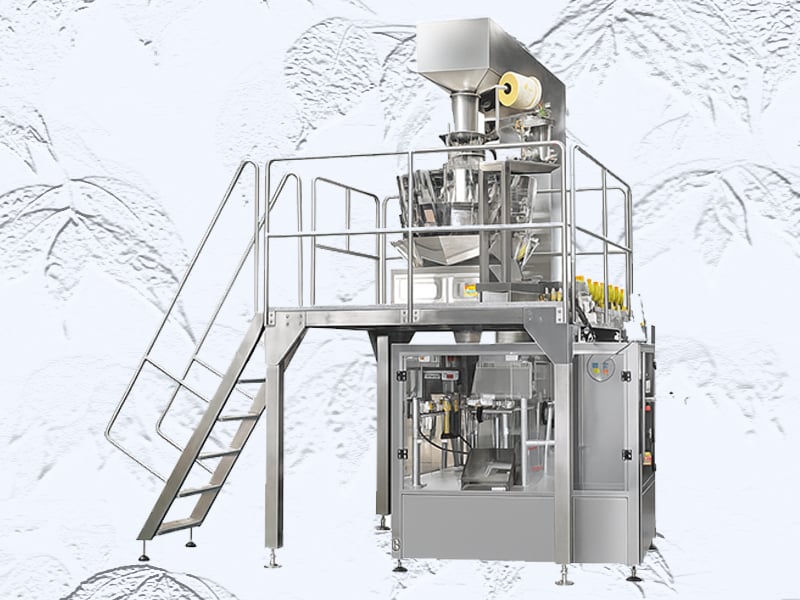
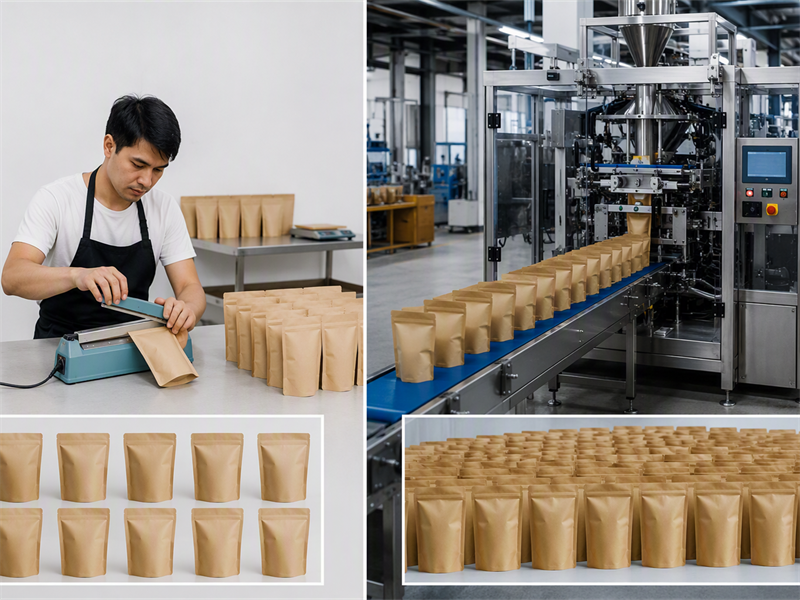
An automatic coffee packaging machine is designed for continuous production with minimal human involvement.
After operators load packaging materials and configure machine parameters, the system can automatically complete multiple steps, including:
- Bag feeding
- Coffee weighing
- Filling
- Sealing
- Coding
- Finished product output
This type of equipment is commonly used by medium and large coffee manufacturers that require stable production capacity.
For example, a coffee exporter supplying 20,000 retail bags per month may find that manual or semi-automatic packaging creates unnecessary labor pressure. In this situation, investing in automation can improve efficiency and maintain consistent quality across every batch.
Automatic systems are especially suitable for:
- Large coffee roasting factories
- Coffee distributors
- Private-label coffee suppliers
- Supermarket coffee brands
- Export-oriented manufacturers
3. Semi Automatic Coffee Packaging Machine Overview
A semi automatic coffee packaging machine combines mechanical automation with manual operation.
The machine usually handles important processes such as weighing, filling, and sealing, while an operator manually loads bags or completes certain steps.
This approach is popular among smaller coffee companies because it provides better efficiency without requiring the investment of a complete automated production line.
Consider a specialty coffee roaster launching three new flavors. Their production volume may not justify a fully automatic system, but manual packaging could slow down production and create inconsistent filling weights. A semi automatic machine can provide the right balance between flexibility and efficiency.
Semi automatic machines are commonly used by:
- Boutique coffee roasters
- Start-up coffee brands
- Small private-label businesses
- Cafes producing packaged coffee
- Companies with frequent product changes
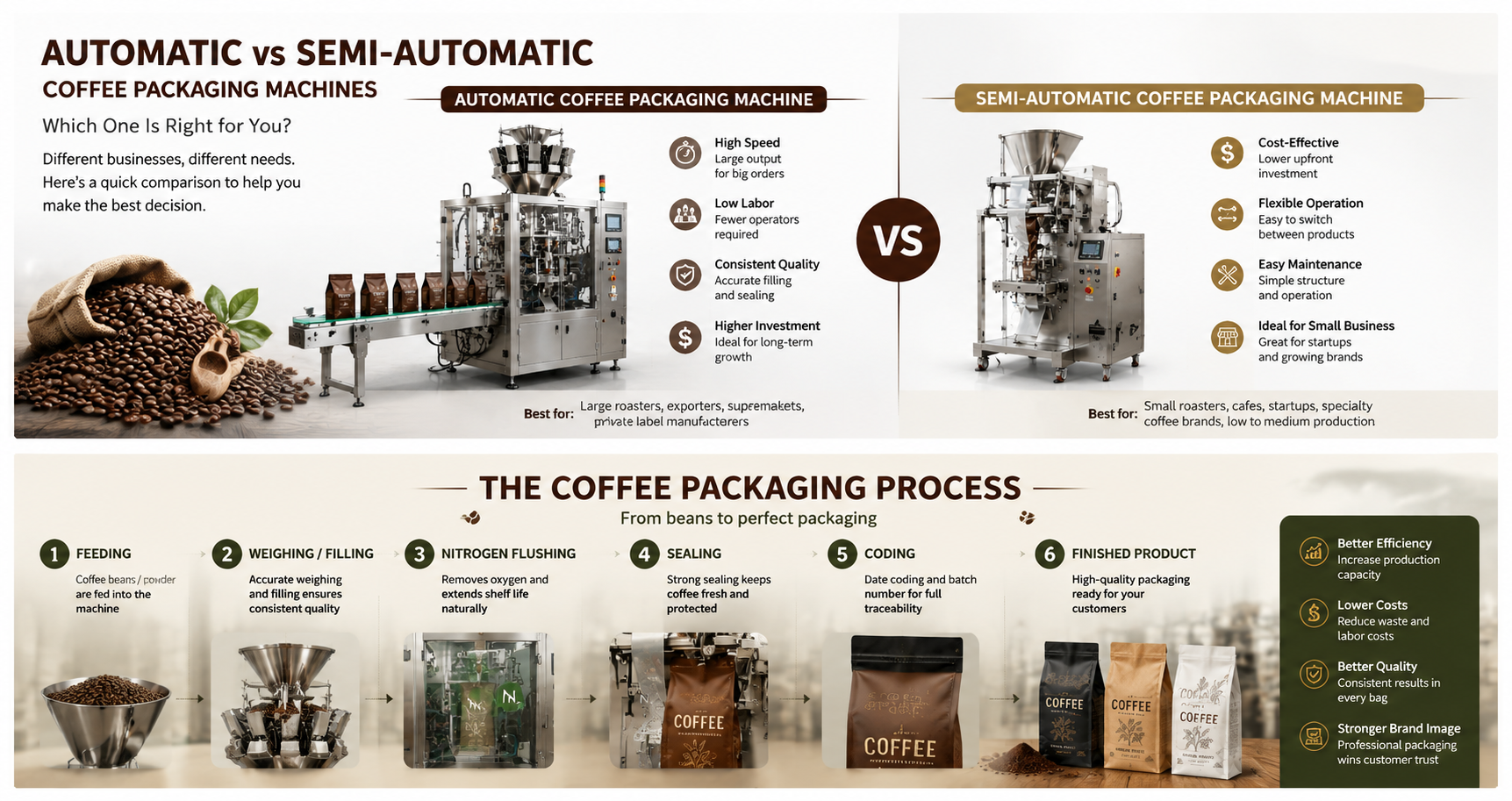 4. Automatic vs Semi Automatic Coffee Packaging Machine Comparison
| Comparison Factor | Automatic Coffee Packaging Machine | Semi Automatic Coffee Packaging Machine |
|---|---|---|
| Automation level | Fully automated | Partially automated |
| Operator involvement | Low | Medium |
| Production speed | High | Moderate |
| Initial investment | Higher | Lower |
| Labor requirement | Reduced | More operators needed |
| Production flexibility | Moderate | High |
| Suitable businesses | Large factories | Small and medium businesses |
| Maintenance complexity | Higher | Easier |
| Space requirement | Larger | Smaller |
| Long-term scalability | Excellent | Good for gradual growth |
The best equipment is not always the most advanced one. A common mistake among first-time buyers is purchasing a machine based only on maximum speed.
A coffee company producing 500 bags per day does not necessarily benefit from a high-speed automated line designed for tens of thousands of bags per day. The unused capacity becomes a wasted investment.
5. Coffee Packaging Materials and Machine Compatibility
Choosing the correct packaging material is just as important as choosing the machine itself.
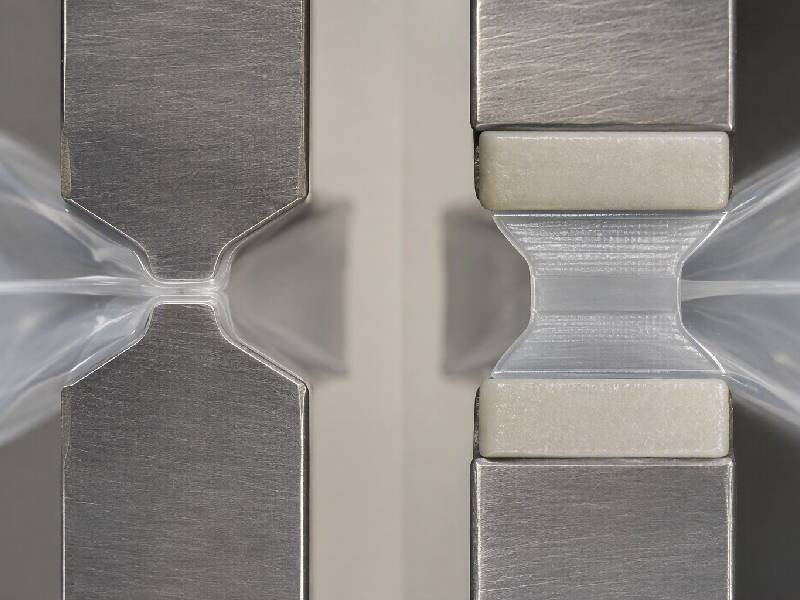
Coffee is sensitive to oxygen, moisture, heat, and light. The packaging structure must protect product freshness while matching the sealing requirements of the equipment.
Laminated Plastic Packaging
Common structures include:
PET/PE
This is one of the most widely used structures because it provides:
- Good strength
- Reliable sealing performance
- Competitive cost
It is suitable for standard coffee products and high-volume packaging.
PET/AL/PE
This structure provides stronger protection against oxygen and light.
It is often selected for:
- Premium coffee beans
- Longer shelf-life products
- Export markets
Kraft Paper Coffee Bags
Kraft paper packaging has become increasingly popular among specialty coffee brands because of its natural appearance.
Many boutique roasters choose kraft-style bags because they communicate:
- Handmade quality
- Sustainability
- Premium positioning
However, buyers should confirm whether their selected machine supports the specific material structure, especially when using thicker or eco-friendly films.
Compostable Packaging Materials
Sustainable packaging demand continues to increase, especially in Europe and North America.
Materials such as compostable films and bio-based laminates require careful machine matching because sealing temperatures and material behavior can differ from traditional plastic films.
Experienced suppliers can help test packaging materials before final production.
6. Applications Across the Coffee Industry
Coffee Roasters
Roasting companies need packaging equipment that can maintain freshness while handling different roast profiles.
Small roasters often start with semi automatic systems and upgrade when sales increase.
Large roasting facilities usually require automatic coffee packaging machines to maintain production efficiency.
Private Label Coffee Companies
Private-label businesses often manage multiple customers, packaging designs, and product specifications.
Flexibility becomes important.
A semi automatic coffee packaging machine may be preferred because operators can quickly change between:
- Different bag sizes
- Different coffee varieties
- Seasonal products
Coffee Export Businesses
Exporters have stricter requirements regarding:
- Packaging consistency
- Production records
- Food safety compliance
- Delivery schedules
For these companies, automation can reduce production risks and improve shipment reliability.
7. Advantages of Automatic Coffee Packaging Machines
Higher Production Capacity
The biggest advantage of automation is output.
Automatic machines can continuously operate with fewer interruptions, making them suitable for companies with large orders.
A factory receiving a sudden increase in supermarket orders can maintain delivery schedules without dramatically increasing labor.
Lower Labor Dependency
Labor availability has become a challenge in many manufacturing markets.
Automation helps companies reduce repetitive manual work and allows employees to focus on quality control and production management.
Better Packaging Consistency
Coffee customers expect every package to look and perform the same.
Automatic systems provide:
- More accurate filling
- Stable sealing quality
- Reduced product variation
For international brands, consistency is essential.
8. Advantages of Semi Automatic Coffee Packaging Machines
Lower Entry Cost
For growing coffee brands, investment control is often the first priority.
Semi automatic machines allow companies to improve efficiency without committing to a large production line.
Greater Flexibility
Many specialty coffee businesses produce limited quantities of many products.
A semi automatic system makes it easier to switch between:
- Different coffee blends
- Different bag sizes
- Different packaging styles
Easier Operation and Maintenance
Compared with fully automated systems, semi automatic equipment generally has simpler structures.
This means:
- Easier operator training
- Lower maintenance requirements
- Faster troubleshooting
9. Customization Options
Professional coffee packaging machine suppliers usually provide customization based on product requirements.
At Tonchant, for example, packaging solutions are developed according to different customer production situations, including coffee type, packaging style, output requirements, and target market regulations.
Customization options may include:
Filling System Selection
Different coffee products require different filling methods.
Weighing Filling
Best for:
- Coffee beans
- Larger particles
Advantages:
- High accuracy
- Stable performance
Auger Filling
Suitable for:
- Coffee powder
- Fine particles
Advantages:
- Better control of powder volume
Packaging Format Support
Machines can be configured for:
- Stand-up pouches
- Flat-bottom bags
- Side gusset bags
- Vacuum coffee bags
- Custom-shaped packaging
Additional Functions
Depending on production requirements, buyers can add:
- Nitrogen flushing systems
- Vacuum sealing
- Metal detection
- Automatic labeling
- Production data tracking
10. MOQ Considerations When Buying Coffee Packaging Machines
Unlike packaging bags, coffee packaging machines usually do not have high quantity requirements.
Most machine suppliers accept:
- 1 unit for standard models
- 1 customized production system for special projects
However, buyers should consider more than machine quantity.
A complete sourcing plan should include:
- Machine cost
- Spare parts
- Packaging material compatibility
- Installation requirements
- Operator training
Many first-time buyers focus only on equipment price but overlook long-term operating costs.
11. Lead Time and Production Planning
Lead time depends on machine complexity and customization level.
Typical timelines:
| Equipment Type | Estimated Lead Time |
|---|---|
| Standard semi automatic machine | 15-30 days |
| Standard automatic machine | 30-60 days |
| Customized packaging line | 60-120 days |
For international buyers, it is important to consider additional time for:
- Factory testing
- Shipping
- Installation
- Local commissioning
A reliable supplier should provide detailed production schedules before order confirmation.
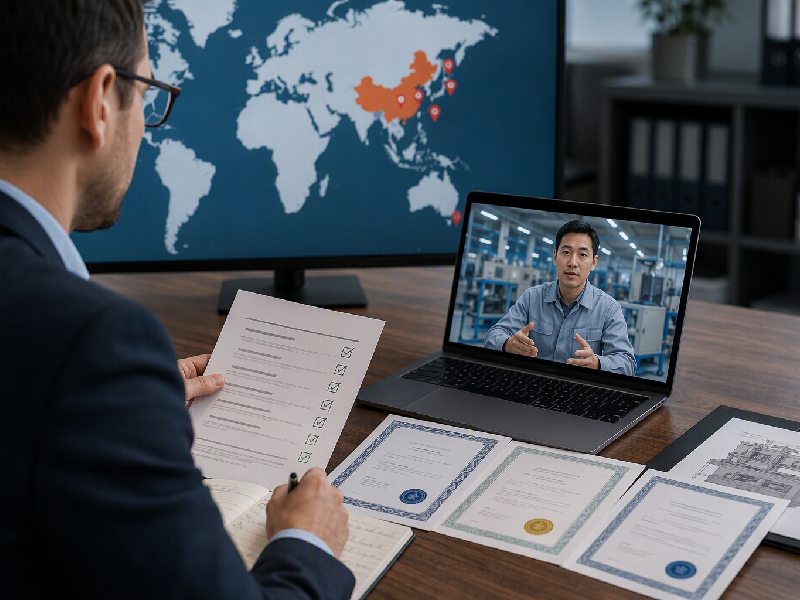
At Tonchant, factory testing and quality inspection are important parts of the production process. Customers can confirm machine performance before shipment through testing videos, technical documents, and communication with engineering teams.
12. Certifications and Quality Requirements
When purchasing packaging equipment internationally, certification is an important consideration.
Common requirements include:
CE Certification
Required for many European markets and demonstrates compliance with equipment safety standards.
ISO Manufacturing Standards
An ISO-certified supplier generally follows controlled production procedures, helping ensure:
- Stable quality
- Better documentation
- Reliable after-sales support
Food Safety Requirements
Coffee packaging equipment should use food-grade materials, especially components that contact coffee.
Common requirements include:
- Stainless steel 304 construction
- Hygienic design
- Easy cleaning structure
13. Buyer Checklist Before Purchasing
Before selecting a machine, buyers should ask:
What is your daily production target?
A machine should match current needs while allowing future growth.
What coffee products will you package?
Beans, powder, and specialty products may require different systems.
What packaging materials will you use?
Confirm material compatibility before purchase.
What support does the supplier provide?
Check:
- Installation guidance
- Spare parts availability
- Technical support
- Warranty terms
Can the machine be upgraded?
A scalable solution can protect your investment as your business grows.
FAQ
1. Which is better: automatic or semi automatic coffee packaging machine?
It depends on your production requirements. Large manufacturers usually benefit from automatic systems, while smaller coffee businesses often achieve better value with semi automatic machines.
2. How much production can an automatic coffee packaging machine handle?
Production capacity depends on the machine model, packaging format, and filling method. Buyers should select equipment based on actual daily output rather than maximum advertised speed.
3. Can semi automatic machines be upgraded later?
Yes. Many companies begin with semi automation and upgrade to automatic production lines as order volume increases.
4. Do coffee packaging machines work with custom printed bags?
Yes. Most modern machines can work with customized coffee bags, but buyers should confirm bag dimensions, material structure, and sealing requirements.
5. What should I consider when sourcing from overseas suppliers?
Important factors include:
- Factory experience
- Certifications
- Technical support
- Spare parts availability
- Machine testing procedures
Choosing a supplier with coffee packaging experience can reduce future operational risks.
Conclusion
Selecting between an automatic coffee packaging machine and a semi automatic coffee packaging machine is not simply a decision about automation level. It is a decision about your business model, production strategy, and future growth.
Large coffee manufacturers that require speed, consistency, and lower labor dependency will usually benefit from automatic solutions.
Smaller roasters and growing coffee brands often find semi automatic equipment to be the smarter choice because it provides flexibility and lower investment pressure.
As the coffee industry becomes more competitive, coffee packaging automation will continue to play a larger role. The right machine can help businesses improve efficiency, reduce waste, and deliver consistent quality to customers around the world.
When evaluating suppliers, buyers should look beyond machine price. Production experience, customization capability, technical support, certification standards, and long-term reliability are equally important.
With years of experience in coffee and packaging solutions, Tonchant works with global customers to develop practical packaging systems that match different production needs—from small specialty coffee businesses to large-scale commercial operations. Choosing the right packaging partner is just as important as choosing the right machine.