
 EN
EN
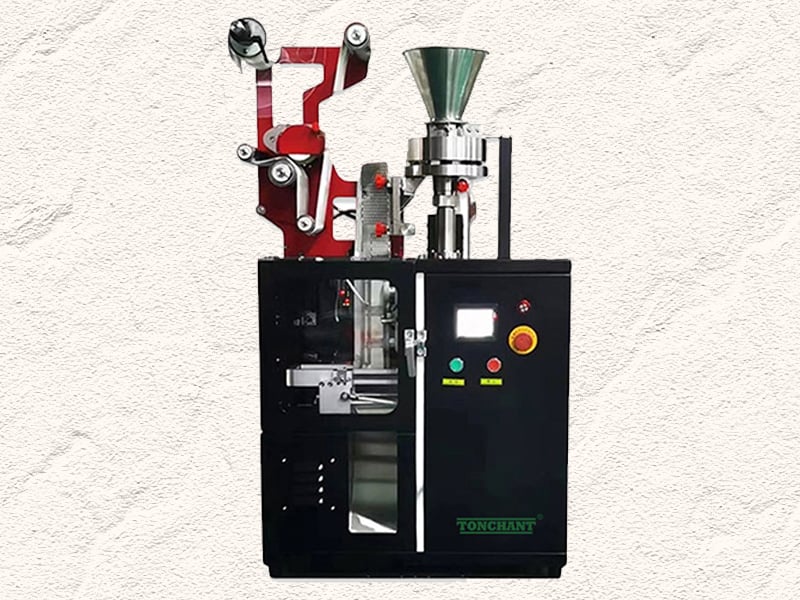
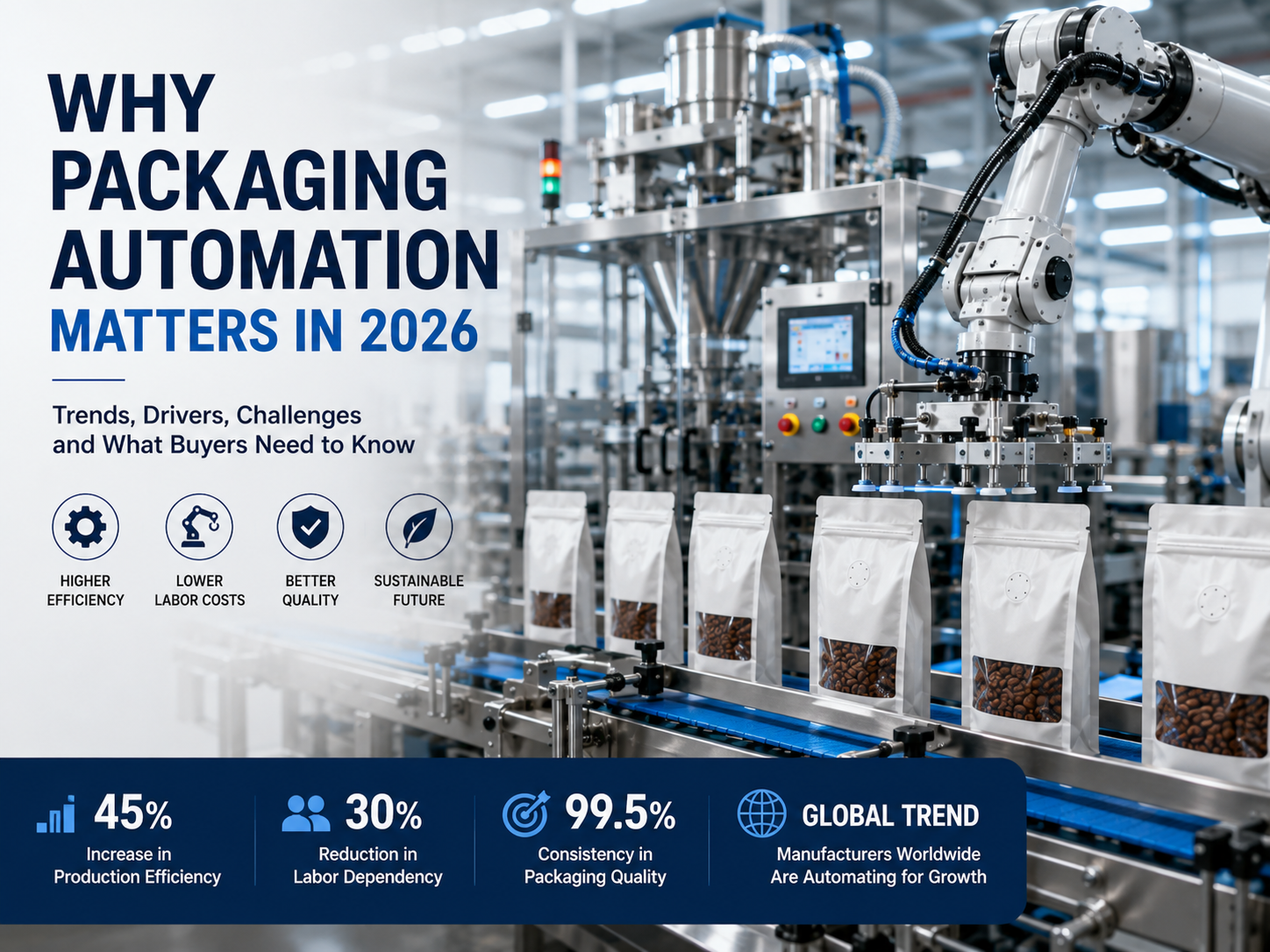
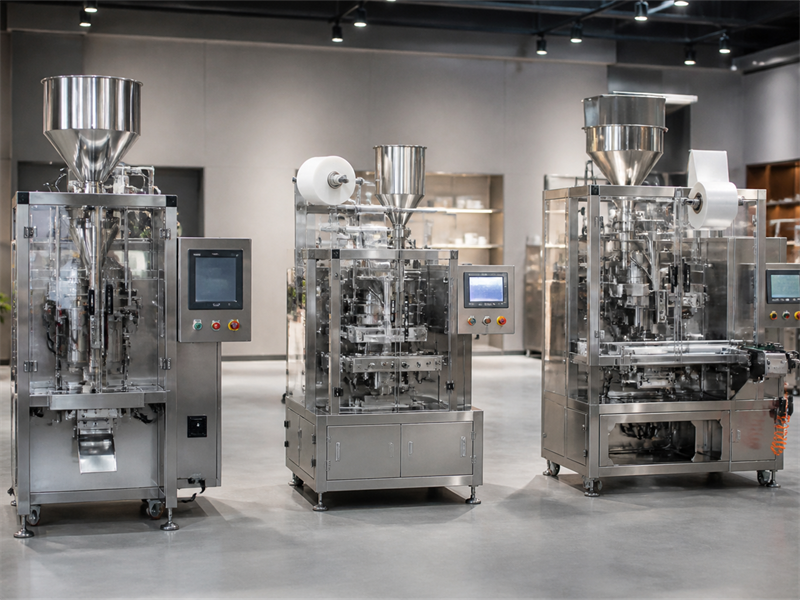
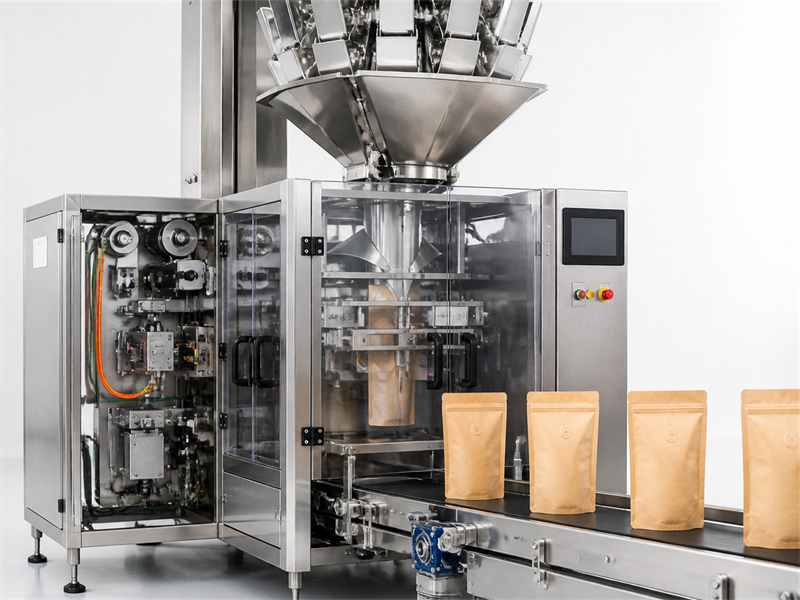
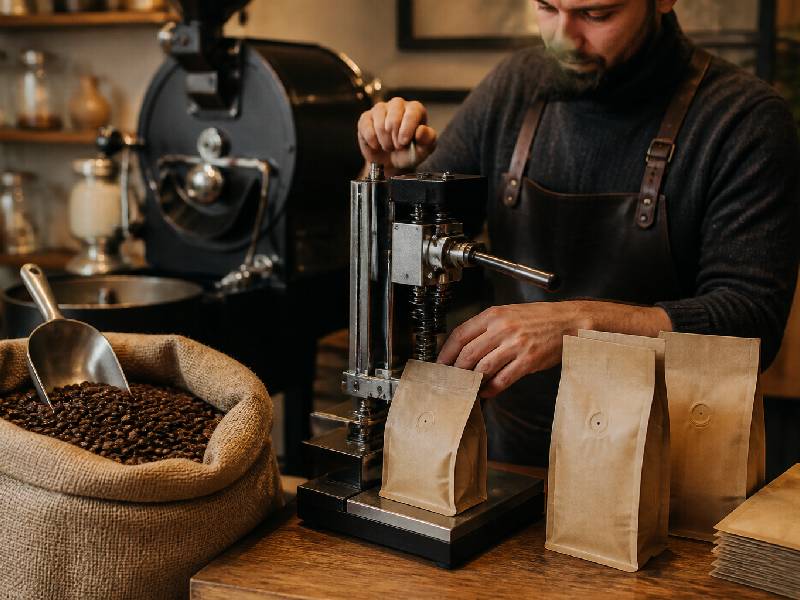
For a small-batch coffee roaster producing 20–100 kg of roasted coffee per week, the packaging decision is often deferred until the business is well established. Most startup roasters begin with manual sealing — an impulse sealer, pre-labeled bags from a minimum-order stock batch, and an operator who spends 3–4 hours per week sealing orders. This approach works until it doesn't. The tipping point is usually a wholesale account win, a retail store listing, or an e-commerce volume spike that makes manual sealing operationally unsustainable. At that point, the question shifts from "do I need a machine?" to "which machine do I need, and can I afford it?"
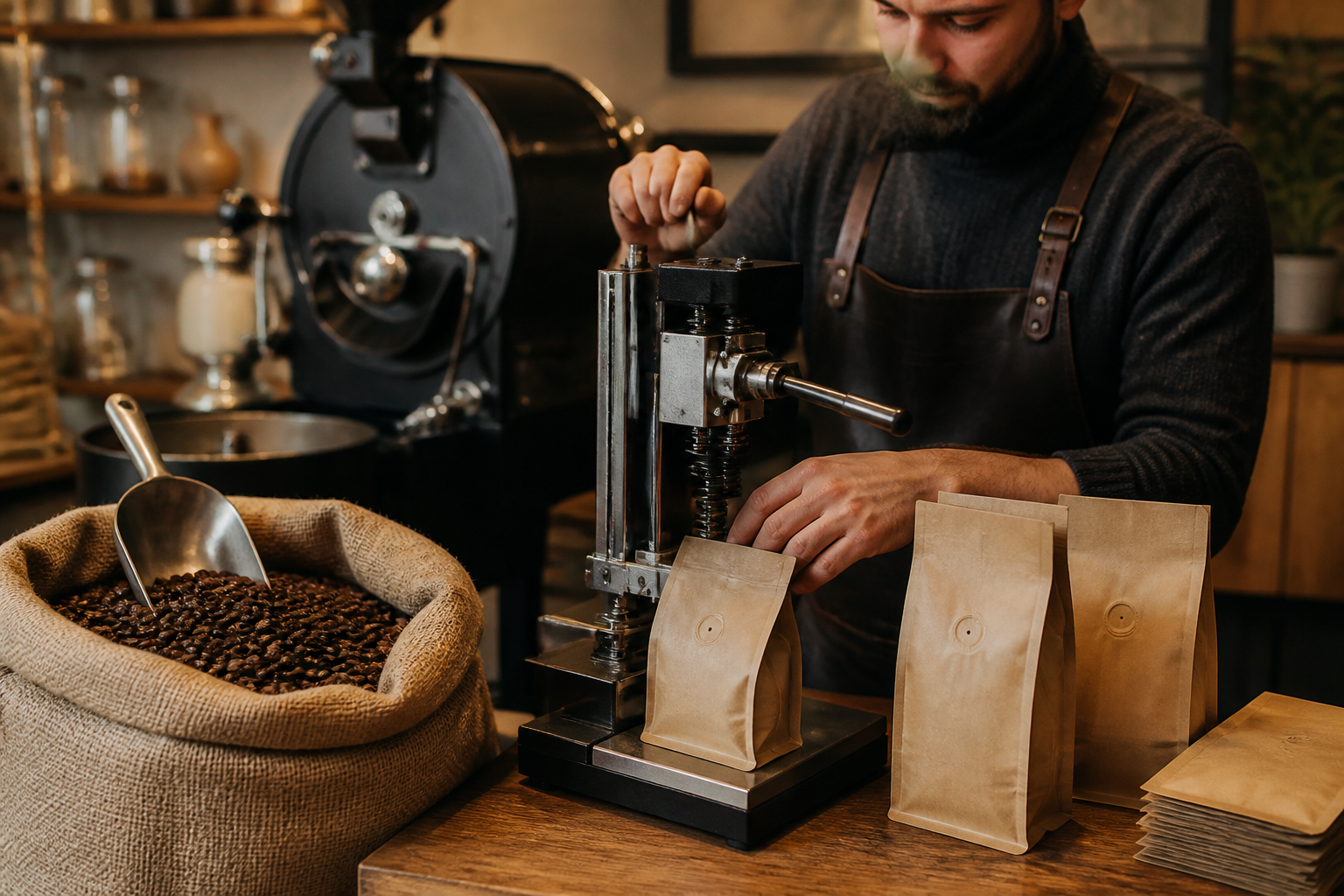
The Startup Roaster's Equipment Path
There is no single correct packing machine for every small coffee roasting business, because the correct choice depends on the mix of bag formats you produce, your target weekly volume, and your growth trajectory. Here is a practical progression that most specialty roasters follow:
Stage 1: Manual impulse sealer (0–50 kg roasted coffee/week)
• Suitable for: 200 g and 250 g back-seal kraft bags, 500 g stand-up pouches
• Equipment cost: USD 150–400
• Output: 50–80 bags/hour
• When to move on: when packaging takes more than 8 hours per week
Stage 2: Semi-automatic sealer (50–200 kg roasted coffee/week)
• Suitable for: multiple bag formats, 100–1,000 g range
• Equipment cost: USD 1,500–4,000
• Output: 200–500 bags/hour
• When to move on: when a single operator is spending their entire working day on packaging
Stage 3: Automatic packing machine (200+ kg roasted coffee/week)
• Suitable for: high-volume single or multi-format production
• Equipment cost: USD 6,000–25,000 depending on automation level and format
• Output: 600–4,000+ bags/hour
Most small roasters reading this article are at the Stage 1–2 transition point, where a semi-automatic packing machine provides the correct balance of throughput, investment level, and operational simplicity.
Key Specs for an Entry-Level Coffee Packing Machine
For a roaster producing 50–200 kg/week across 200 g, 500 g, and 1,000 g formats, the minimum specification for a semi-automatic packing machine should include:
| Specification | Minimum Requirement | Recommended |
| Fill weight range | 100–500 g | 50–1,000 g |
| Filling accuracy | ±2.0% | ±1.5% |
| Sealing bar length | 200 mm | 300 mm |
| Sealing technology | Heat-seal | Heat-seal with temperature control |
| Power supply | Single-phase 220V | Single-phase 220V |
| Product contact materials | SUS304 | SUS304 |
| CE certification | Required | Required |
What Tonchant Pack Offers for Small Roasters
Tonchant's entry-level filling and sealing machines are designed with the boutique roaster in mind. Our MOQ is 1 unit — you are not required to purchase multiple machines to access our manufacturing. Standard machines are shipped within 15–25 days. We provide:
• Video installation guide in English
• Operation manual
• 1-on-1 online video training until your operators are proficient
• 1-year warranty, 2-year core component warranty
• Lifetime spare parts at cost price
The investment in even a basic entry-level automated sealing machine typically pays back within 60–90 days for a roaster producing 500–1,000 bags per week.
Planning for Growth
One practical consideration for startup roasters is purchasing a machine with a filling range and speed that leaves room to grow. A machine capable of filling 50 g–1,000 g, even if you currently only use the 200 g and 500 g settings, means you don't need to replace the machine when you introduce a new bag size. Similarly, a machine with a slightly higher speed rating than your current throughput requirement provides a buffer as your wholesale volume grows.
> Ready to take the first step toward automated coffee packaging?
> Contact Tonchant Pack for a startup-friendly machine recommendation →
> MOQ: 1 unit. Entry-level machines available. Free specification consultation.