
 EN
EN
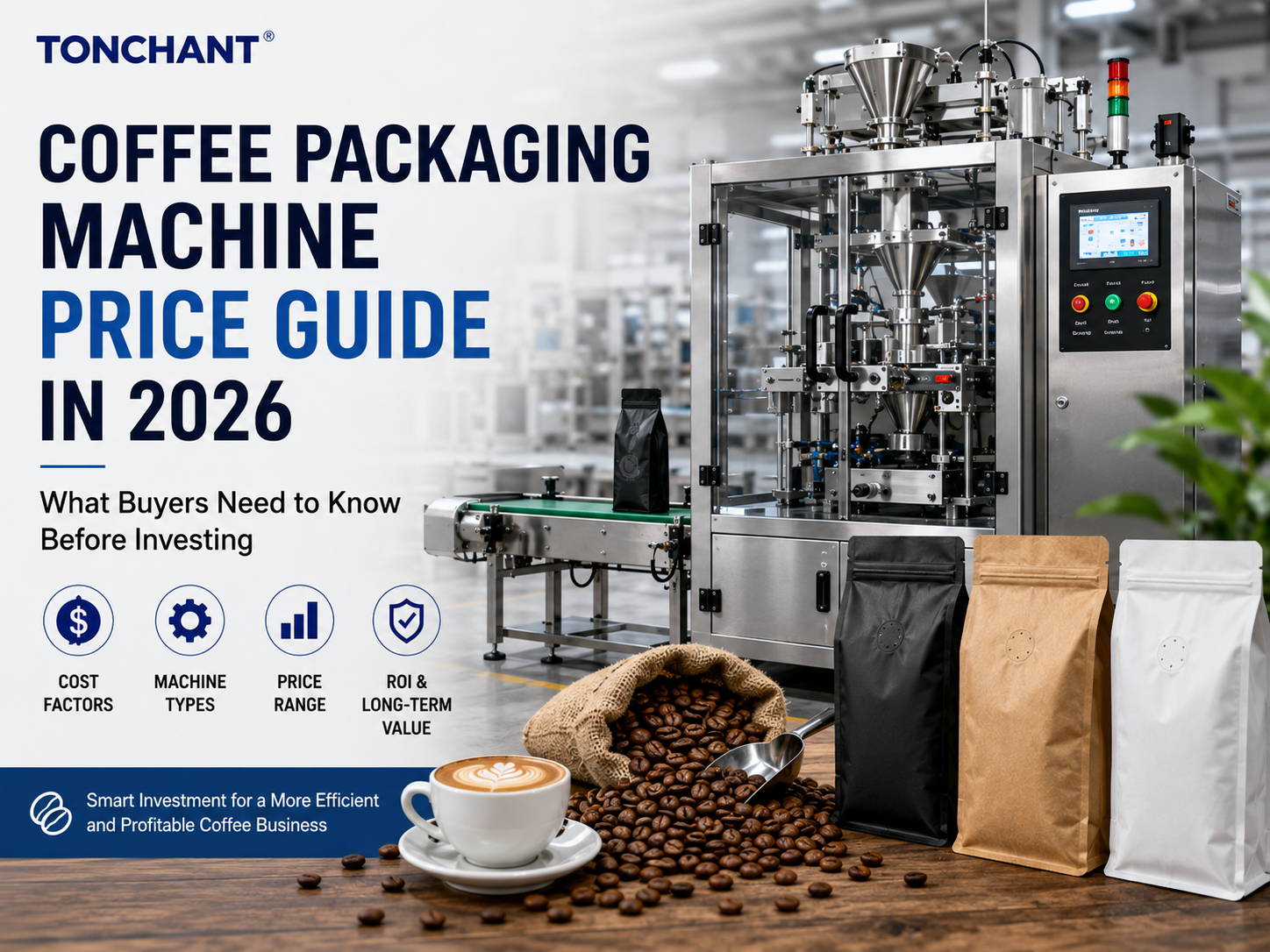
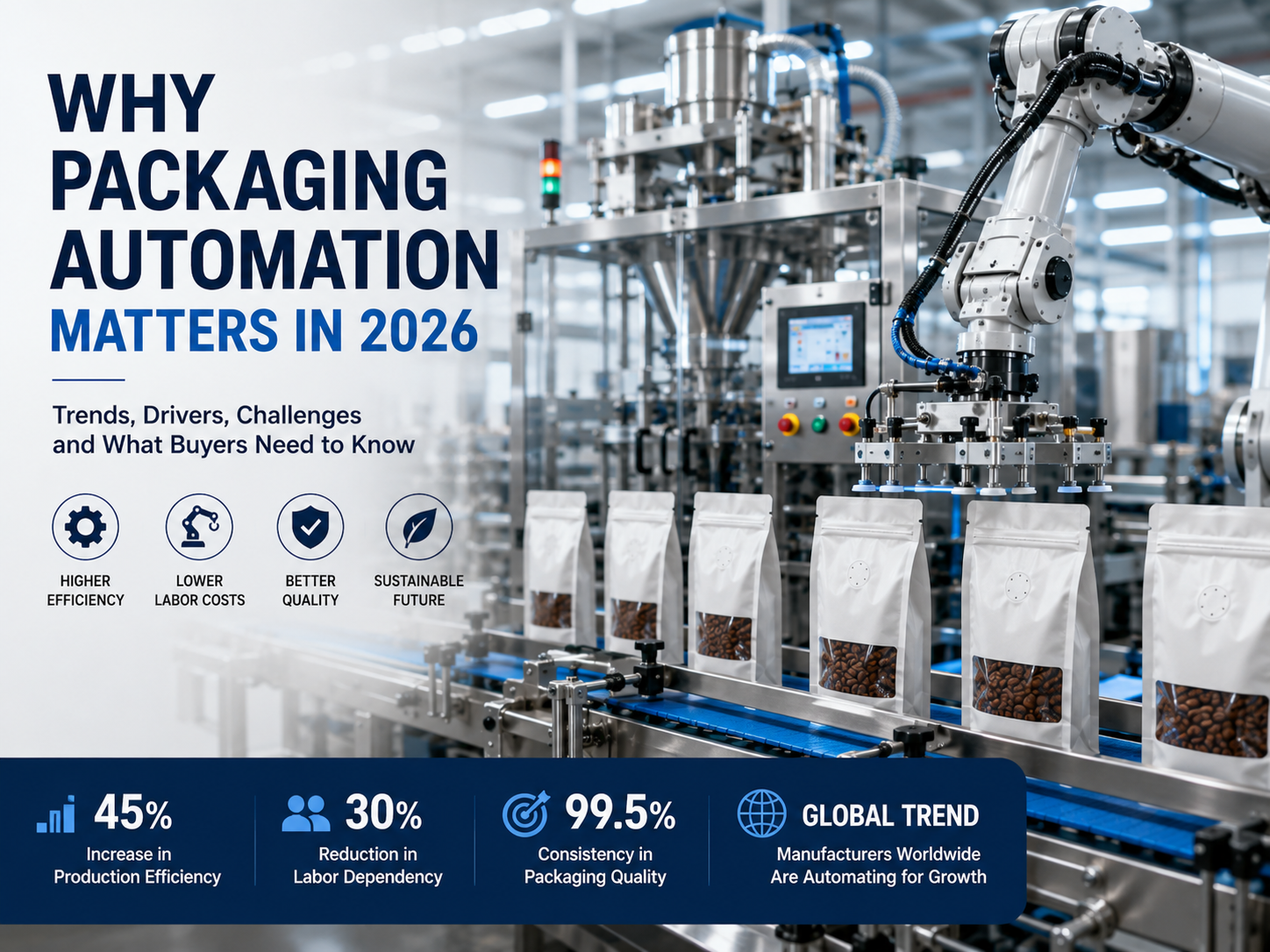
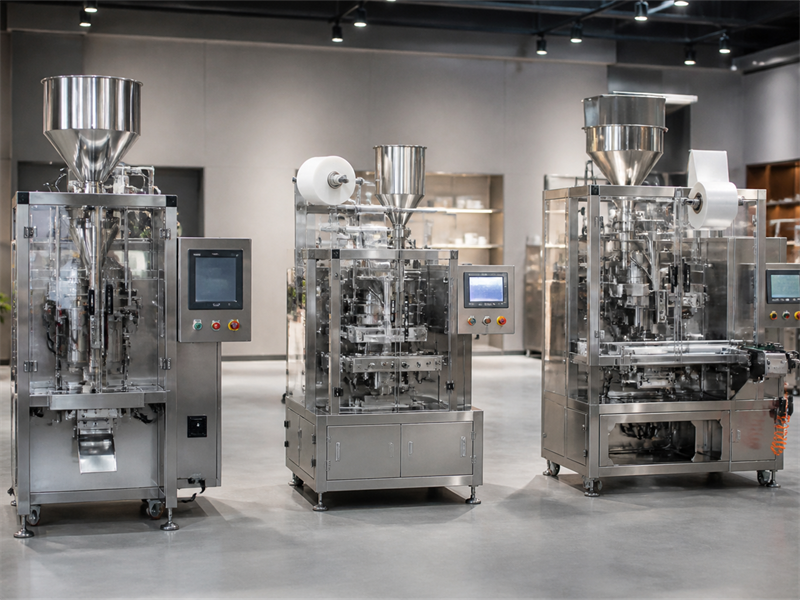
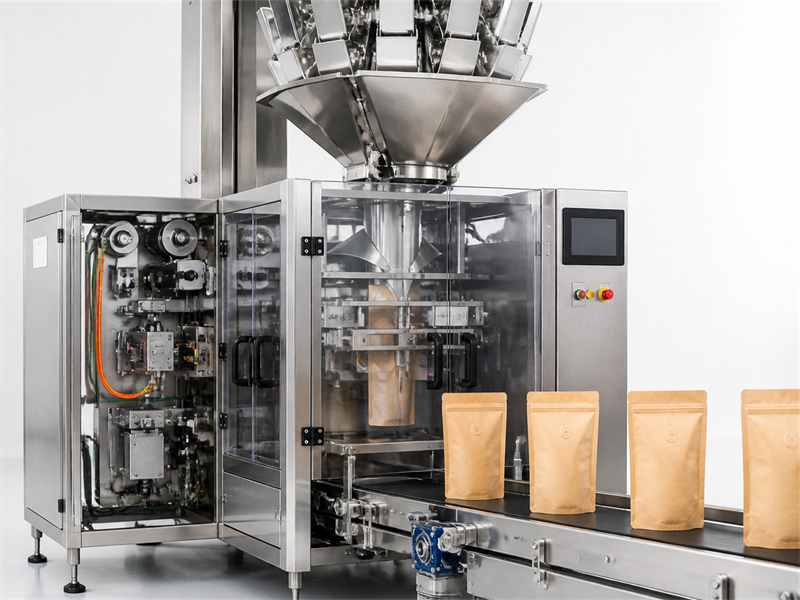
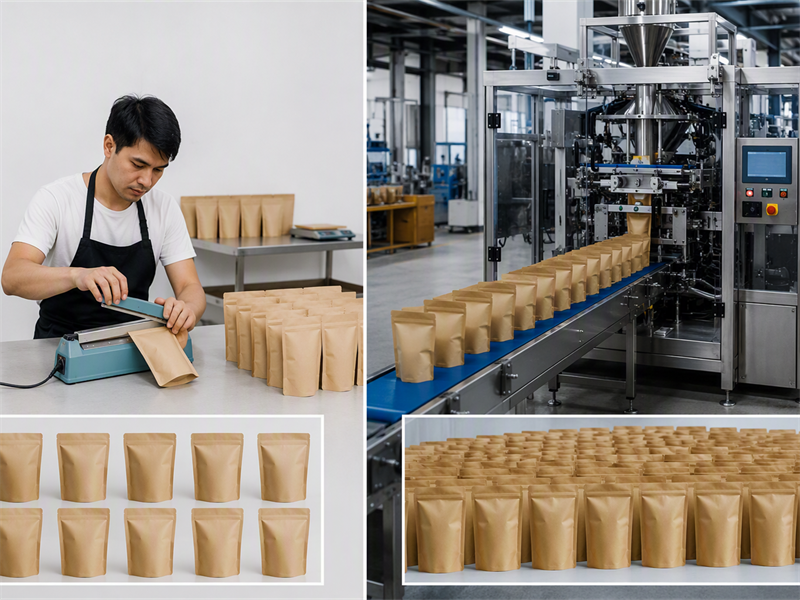
The capital cost of an automatic packing machine is always higher than its semi-automatic counterpart. But the question that separates informed buyers from reactive purchasers is not "which machine is cheaper?" but "which machine delivers the lowest cost per 1,000 bags over a three-year production cycle?" This article presents a structured total cost of ownership (TCO) comparison between automatic and semi-automatic food packaging equipment, using real operational data relevant to coffee, tea, and powder product manufacturers.
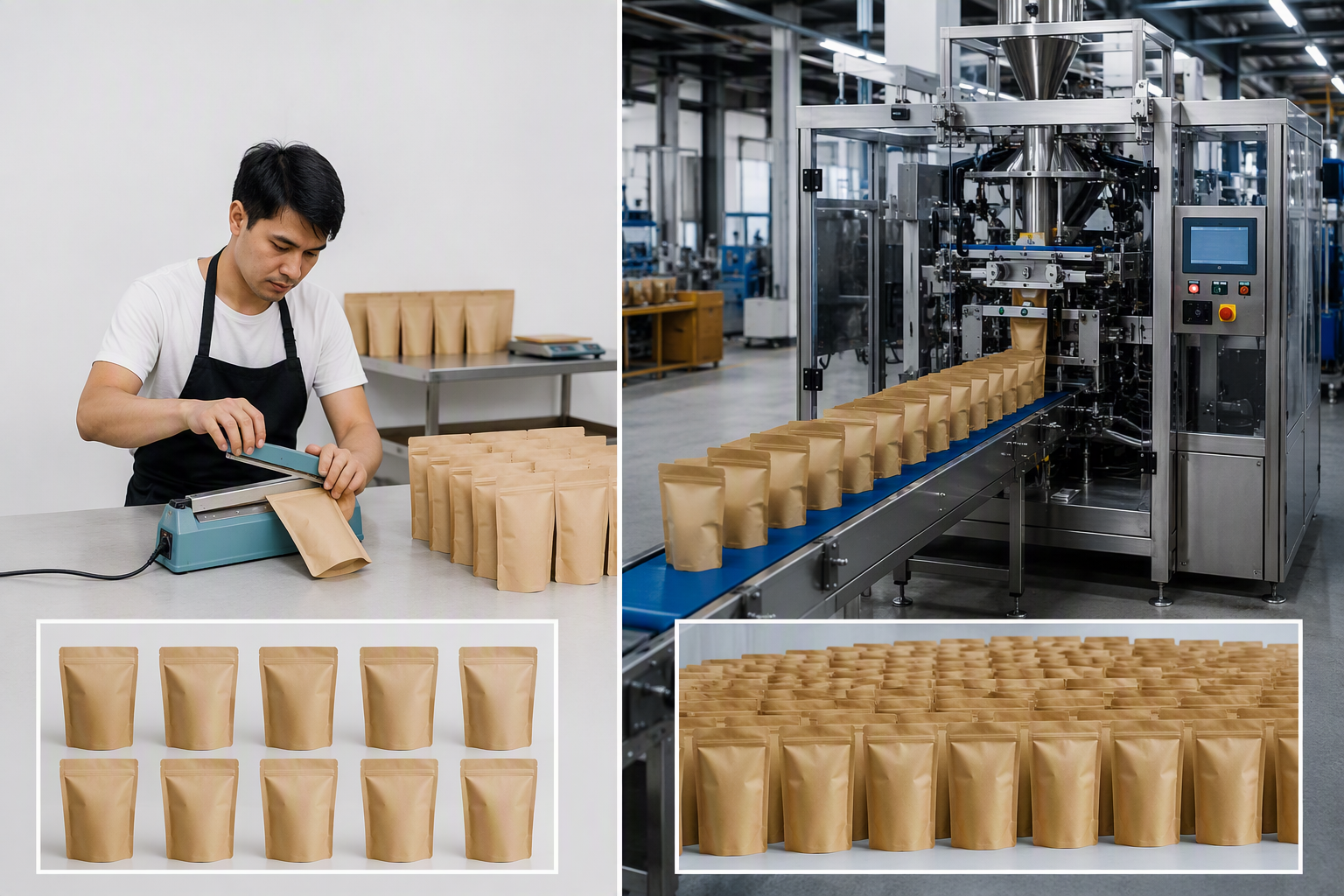
Speed and Output: The Foundational Difference
Before calculating costs, you need to anchor the comparison in output reality.
| Machine Type | Output (bags/hr) | Operators Required | Effective Annual Capacity (250 days, 8-hr shift) |
| Manual sealer | 300–600 | 2–3 | ~600,000 bags |
| Semi-automatic | 900–2,100 | 1–2 | ~2,100,000 bags |
| Fully automatic | 3,000–6,000+ | 0.5–1 (monitoring only) | ~12,000,000 bags |
A manufacturer running a semi-automatic packing machine at 1,500 bags/hr with 1.5 operators is producing at an effective labor cost of approximately 1 operator-minute per 25 bags. A fully automatic machine running at 4,000 bags/hr with one monitoring operator produces at roughly 1 operator-minute per 67 bags — a 2.7× labor efficiency gain.
Three-Year TCO Comparison Framework
The true cost of a packing machine over its operational life includes six components:
• 1. Capital expenditure (CAPEX) — purchase price + installation + training
• 2. Labor cost — operators × hourly wage × operating hours
• 3. Maintenance and spare parts — scheduled maintenance + reactive repairs
• 4. Consumables — bag film, sealing tape, nitrogen gas if applicable
• 5. Downtime cost — lost production due to machine failures or changeovers
• 6. Quality cost — rejected bags, seal failures, filling inaccuracies
Where Semi-Automatic Machines Win
Semi-automatic machines have a lower entry cost, a shorter learning curve for operators, and are generally easier to maintain without specialized technicians. For production volumes under 1,500 bags/day, the labor cost premium of a fully automatic machine rarely justifies the CAPEX difference within a standard 3-year payback horizon.
Where Fully Automatic Machines Win
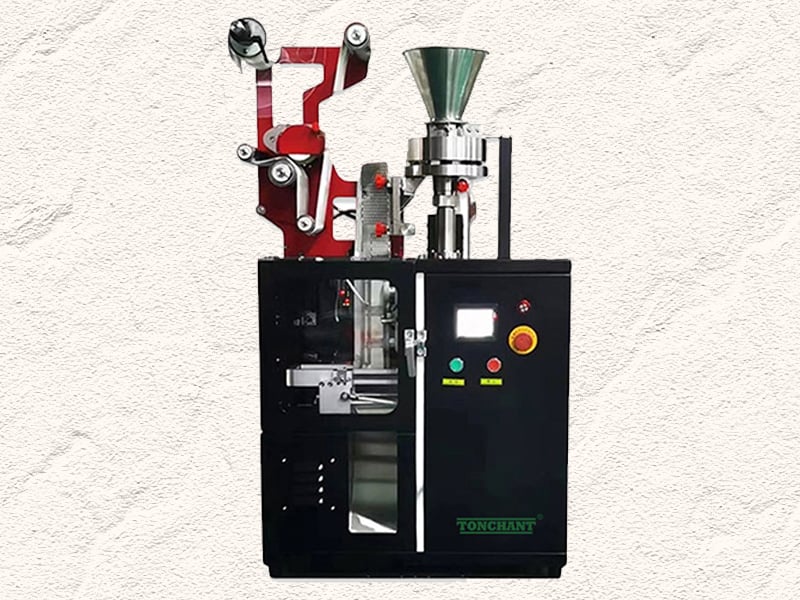
Once production exceeds 2,000–3,000 bags/day consistently, the labor savings of a fully automatic packing machine create a measurable cost advantage. Modern fully automatic lines from qualified manufacturers include:
• Servo motor filling — consistent dosing accuracy without manual adjustment
• PLC + touchscreen control — operators monitor rather than operate; one person can oversee multiple machines
• Automated rejection systems — underweight or improperly sealed bags are detected and removed without human inspection
• Nitrogen flushing integration — extends shelf life without adding a separate manual step
Key Quality Difference: Sealing Consistency
One area where fully automatic machines provide a measurable quality advantage over semi-automatic systems is sealing consistency. In a semi-automatic setup, sealing pressure and dwell time depend partially on the operator's technique. Automated sealing systems — whether heat-based or ultrasonic — maintain constant parameters across every bag in the batch.
For products sold to retailers with strict seal integrity requirements (e.g., Costco, Lidl, or Woolworths), consistent automated sealing reduces the risk of supplier audits revealing quality control gaps.
Making the Decision
• Choose semi-automatic if: production volume is below 2,000 bags/day, CAPEX budget is limited, or you are entering a new product category and want flexibility before committing to a high-speed line.
• Choose fully automatic if: daily production consistently exceeds 2,500–3,000 bags, you employ 2+ packaging operators currently, or your target retail partners require documented automated quality control.
> Ready to model the ROI for your specific production volume?
> Contact Tonchant Pack for a free consultation and customized cost analysis →
> Our engineers will help you identify the right automation level for your current output and 3-year growth plan.