
 EN
EN
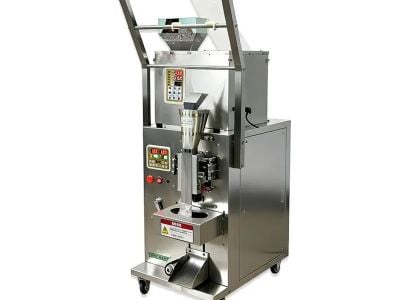
Stainless steel automatic bag sealers are essential tools in food grade packaging production, ensuring that products are sealed securely and maintain their freshness. This article will address key considerations when selecting a automatic tea packing machine, common installation issues, cost factors, the technical expertise behind these machines, and solutions to typical problems faced in production.
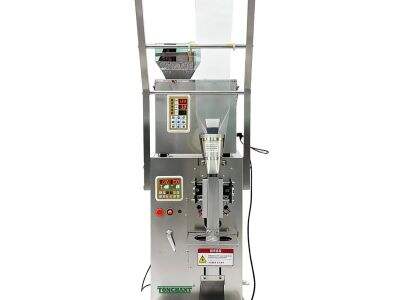
How to Choose the Right Automatic Bag Sealer for Your Needs
When selecting a stainless steel automatic bag sealer for food grade packaging production, several critical factors should be considered. First, assess the type of products you need to seal. Different machines may be better suited for liquids, powders, or solids. For instance, if you're packaging coffee or tea, ensure that the sealer can handle the specific properties of these materials, such as moisture content and particle size.
Next, consider the sealing method. Automatic bag sealers typically use heat sealing, ultrasonic sealing, or impulse sealing. Each method has its advantages depending on the packaging material's thickness and type. For food applications, heat sealing is common due to its effectiveness in creating airtight seals that preserve freshness.
Another important consideration is production capacity. Determine the volume of products that need to be sealed within a given timeframe. This will help ensure the machine you select can meet your operational demands without bottlenecks. Look for machines that can be customized to fit your production line’s speed and layout.
Lastly, verify the machine's compliance with food safety standards. This includes certification for materials used in food contact applications. A reputable manufacturer will provide detailed documentation regarding the machine’s safety and compliance certifications.
Common Installation Challenges with Stainless Steel Bag Sealers
Installing a stainless steel automatic bag sealer can present several challenges, particularly in a production environment. One common issue is ensuring proper alignment of the machine within the production line. Misalignment can lead to increased downtime and inefficiency, as bags may not be sealed correctly.
Another challenge is electrical compatibility. The sealing machine may require specific voltage or power supply configurations that differ from your existing equipment. It's crucial to consult with the manufacturer regarding electrical requirements and ensure that your facility can accommodate these needs.
Moreover, environmental factors such as humidity and temperature can influence the sealing process. High humidity may affect the sealing quality, so it’s essential to assess the installation environment and make necessary adjustments. Collaborating closely with the installation team can help mitigate these challenges.
Cost Considerations for Food Packaging Equipment Purchases
When budgeting for a stainless steel automatic bag sealer, several cost factors come into play. The initial purchase price is just one aspect; consider long-term costs, including maintenance, operation, and potential upgrades.
High-quality machines may have a higher upfront cost, but they often deliver better performance and lower failure rates, leading to reduced maintenance expenses over time. Additionally, evaluate the warranty and support services offered by the manufacturer. A robust warranty can mitigate risk by covering repairs and servicing.
Customization options can also affect costs. If your packaging needs require specific features—such as adjustable sealing temperatures or specialized software for tracking production—you should factor these into your budget. Be clear with suppliers about your requirements so they can provide accurate quotations.
Lastly, consider the total cost of ownership, which includes energy consumption. Machines that are more energy-efficient may have higher initial costs but can offer significant savings in the long run.
Technical Expertise Behind Stainless Steel Bag Sealers for Food Safety
The technical design of stainless steel automatic bag sealers is crucial for maintaining food safety standards. These machines utilize precise temperature control and sealing pressure to ensure consistent and reliable seals. Understanding these technical parameters is essential for purchasing managers and engineers.
Temperature control is vital since improper sealing temperatures can lead to weak seals, compromising food safety and shelf life. For instance, when sealing plastic bags for coffee, the temperature must be adequate to melt the bag material without burning it.
Another technical aspect is the sealing pressure. Insufficient pressure may result in incomplete seals, while excessive pressure can damage the packaging. Manufacturers often provide guidelines for optimal settings based on the materials used, so it's important to consult these resources during the installation and setup processes.
Additionally, regular maintenance and calibration of the sealing machine are critical to ensuring it operates within the specified parameters. This ensures that the equipment consistently meets safety standards throughout its operational life.
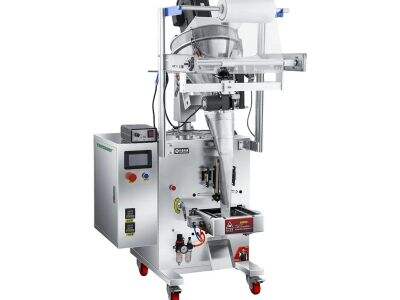
Solutions to Common Problems with Automatic Bag Sealers in Production
Automatic bag sealers can encounter various issues during production, but understanding common problems allows for effective troubleshooting. One prevalent issue is inconsistent sealing, which can arise from variations in bag thickness or material. To resolve this, operators should regularly check the sealing settings and make adjustments based on the specific bags being used.
Another common problem is machine downtime due to jams or malfunctions. To mitigate this risk, it's essential to conduct routine maintenance and inspections. Ensure that all components are clean and functioning correctly; this includes checking for wear and tear on sealing elements.
Additionally, staff training is critical. Operators should be well-versed in the machine's functions and troubleshooting techniques. Creating a clear protocol for handling common issues can help minimize disruptions during production.
Lastly, consider the integration of monitoring systems that track machine performance. These systems can provide real-time data, alerting operators to potential issues before they escalate into significant problems.
By understanding these factors and challenges, B2B buyers can make informed decisions regarding packing automatic machine bag sealers for food grade packaging production. Assessing the right machine involves careful consideration of application needs, installation requirements, cost factors, and ongoing maintenance. This knowledge will ultimately contribute to a more efficient and compliant packaging process.
Table of Contents
- How to Choose the Right Automatic Bag Sealer for Your Needs
- Common Installation Challenges with Stainless Steel Bag Sealers
- Cost Considerations for Food Packaging Equipment Purchases
- Technical Expertise Behind Stainless Steel Bag Sealers for Food Safety
- Solutions to Common Problems with Automatic Bag Sealers in Production