
 EN
EN
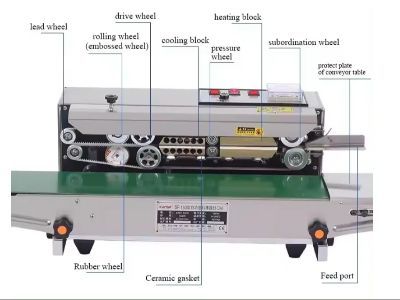
In the fast-paced world of industrial packaging, a fully automatic bag sealer for continuous industrial packaging assembly lines is essential for enhancing efficiency and productivity. These machines streamline the packaging process, reducing labor costs and ensuring consistent sealing quality. B2B buyers, such as purchasing managers and engineers, often have concerns regarding specifications, reliability, cost, installation, and feature comparisons when evaluating potential suppliers. This article will provide valuable insights into selecting a fully automatic bag sealer machine, helping you make informed decisions for your packaging needs.
Key Specifications of Fully Automatic Bag Sealers for Industrial Use
When considering a fully automatic bag sealer, several key specifications are crucial for ensuring the machine meets your production requirements. Important factors include sealing speed, sealing width, and the types of materials that can be processed.
Sealing Speed: The sealing speed, typically measured in bags per minute, directly affects your production output. For high-volume operations, selecting a automatic bag sealer with a higher sealing speed is essential to maintain efficiency.
Sealing Width: This refers to the width of the seal created by the machine. It’s critical to ensure that the sealing width aligns with the bag dimensions used in your production process. A mismatch can lead to inadequate seals and potential product spoilage.
Material Compatibility: Different bag sealers are designed to work with various materials, such as polyethylene, polypropylene, or laminated films. Understanding the specific material requirements for your products will help in selecting a suitable sealing machine.
Temperature Control: Precise temperature control is vital for achieving optimal sealing. Insufficient temperature can lead to weak seals, while excessive heat can damage the bags.
Automation Features: Features such as programmable settings, automatic bag feeding, and integrated quality control systems can significantly enhance operational efficiency and reduce manual intervention.
Reliable Suppliers of Bag Sealers in Bulk
Finding a reliable supplier for bag sealers in bulk is crucial for maintaining consistent production quality and minimizing downtime. When evaluating potential suppliers, consider their manufacturing capabilities, experience in the industry, and customer reviews.
Manufacturing Capabilities: Suppliers with advanced manufacturing processes and quality control systems will offer machines that meet rigorous performance standards. Investigate their production equipment and the materials they use to ensure they align with your quality expectations.
Industry Experience: Suppliers with a strong track record in manufacturing packaging machines often have a wealth of knowledge regarding common challenges and best practices. They can offer insights that help you avoid potential pitfalls during the purchasing process.
Customer Reviews and References: Look for suppliers with positive feedback from previous clients. Testimonies regarding machine performance, customer service, and support can provide valuable guidance in your selection process.
Lead Time and Minimum Order Quantity (MOQ): Confirm the lead times for bulk orders and the MOQ requirements. Suppliers with flexible order fulfillment can better accommodate varying production demands.
Cost Factors to Consider When Purchasing Bag Sealers for Projects
Understanding the cost factors associated with purchasing fully automatic bag sealers is essential for budgeting and financial planning. The overall cost of ownership extends beyond the initial purchase price and includes maintenance, operational costs, and potential upgrades.
Initial Purchase Price: While it may be tempting to opt for the least expensive option, remember that lower upfront costs may correlate with reduced quality or performance. Consider investing in a higher-quality machine that meets your specific needs.
Operational Costs: Evaluate the energy consumption of the sealing machine, as higher energy efficiency can lead to significant savings over time. Also, consider the costs associated with consumables, such as sealing films and maintenance parts.
Maintenance and Support: Factor in the expected maintenance costs and the availability of support from the supplier. A machine that requires frequent repairs or has limited service options can lead to costly downtime.
Customization Costs: If you require specific features or adaptations for your sealing process, be prepared for additional costs associated with customization. Ensure that these costs are justified by the benefits they bring to your production line.
Installation Guidance for Fully Automatic Bag Sealers in Assembly Lines
Proper installation of fully automatic bag sealers is critical to their operational success. Incorrect installation can lead to inefficient operation and increased wear on the machinery.
Site Preparation: Ensure the installation area is prepared according to the manufacturer's specifications. Consider space requirements, access for maintenance, and compatibility with existing equipment.
Connection to Other Equipment: Your bag sealer should seamlessly integrate with other components of your assembly line, such as filling machines or conveyor belts. Coordination with your equipment supplier can help streamline this process.
Testing and Calibration: After installation, conduct thorough testing and calibration of the machine to ensure it operates at optimal performance levels. This includes checking sealing temperatures, speeds, and alignment with other machines.
Training for Operators: Providing adequate training for your operators is essential for maximizing machine efficiency and minimizing errors. Well-trained staff can better troubleshoot issues and maintain the equipment.
Comparing Features of Leading Fully Automatic Bag Sealers
When selecting a fully automatic bag sealer, comparing features across different models will help identify the best fit for your production needs.
Control Systems: Modern bag sealers may offer advanced control systems that allow for automatic adjustments based on bag thickness or material type. This adaptability can enhance sealing quality.
Maintenance Features: Look for machines designed with easy access for maintenance and cleaning. Features such as removable sealing heads can simplify routine upkeep and prolong machine lifespan.
Safety Features: Safety mechanisms, such as emergency stop buttons and safety guards, are essential for protecting operators. Assessing these industrial bag sealer features can help ensure a safe working environment.
Customization Options: The ability to customize sealing parameters or machine configurations can be a significant advantage. Some manufacturers offer modular designs that allow for future upgrades as your production needs evolve.
In summary, investing in a fully automatic bag sealer for your continuous industrial packaging assembly line requires careful consideration of specifications, supplier reliability, cost factors, installation requirements, and machine features. By assessing these elements, you can make an informed decision that optimizes your packaging operations and enhances your overall productivity.
Table of Contents
- Key Specifications of Fully Automatic Bag Sealers for Industrial Use
- Reliable Suppliers of Bag Sealers in Bulk
- Cost Factors to Consider When Purchasing Bag Sealers for Projects
- Installation Guidance for Fully Automatic Bag Sealers in Assembly Lines
- Comparing Features of Leading Fully Automatic Bag Sealers