
 EN
EN
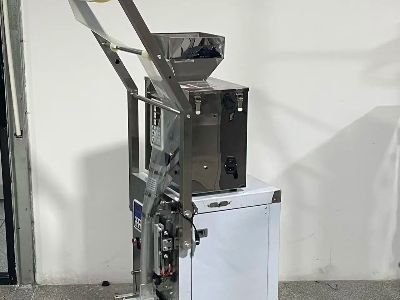
Wholesale air sealer machines with adjustable sealing times are essential for OEM buyers looking to enhance packaging efficiency. These machines are designed to create airtight seals for various packaging applications, ensuring product freshness and extending shelf life. As a B2B buyer, you may have concerns about the machine's specifications, reliability, and compatibility with existing systems. This article will guide you through key considerations when selecting an packing sealer machine, addressing buyer concerns, and providing practical insights to help you make informed purchasing decisions.
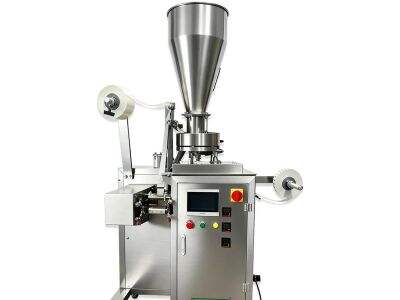
What to Look for in Air Sealer Machine Providers
When sourcing a wholesale air sealer machine, it's crucial to evaluate potential suppliers on several key factors. Start by assessing their manufacturing capabilities, including the technology they use and the materials employed in their machines. Look for providers who utilize high-quality components, as these directly impact machine reliability and performance.
Additionally, inquire about their certifications and quality control processes. A reputable manufacturer should have established quality assurance measures, including testing protocols for their machines. Understanding their production capacity is also important; you want to ensure the supplier can meet your demand without compromising on lead times.
Customization options should be considered as well. OEM buyers often require machines tailored to specific packaging needs, so it’s beneficial to partner with suppliers who can accommodate bespoke requests. Lastly, check their track record in your industry and request references or case studies to verify their expertise.
Benefits for Diverse Packaging Applications
Wholesale air sealer machines are versatile and suitable for a range of packaging applications, particularly in the food and beverage industry. For instance, these machines can seal coffee and tea bags, preserving the flavor and aroma by keeping moisture and oxygen out. The adjustable sealing time feature allows for fine-tuning based on the material thickness and type of product being sealed, ensuring optimal results.
Beyond food packaging, these machines are also effective for sealing pharmaceuticals, cosmetics, and other consumer goods that require airtight protection. The ability to adapt sealing parameters to different materials (such as plastic, foil, or paper) enhances the machine's utility, making it a valuable asset for manufacturers across various sectors.
Implementing a reliable sealing solution can significantly reduce product spoilage and improve inventory management, ultimately leading to cost savings. As a B2B buyer, understanding the benefits of these machines can help you justify the investment to stakeholders and align with your operational goals.
Installation Guidance for Wholesale Air Sealer Machines Made Simple
Installing an air sealer machine can be straightforward if you follow a structured approach. First, ensure that the installation area is clean, level, and compliant with all safety regulations. Proper ventilation is also essential, particularly if the machine operates at high temperatures.
Before installation, review the manufacturer's guidelines thoroughly. These documents typically include diagrams, recommended electrical requirements, and setup instructions. It is advisable to have a qualified technician assist with the installation to ensure all connections are secure and the machine is calibrated correctly.
Once installed, conduct a trial run to verify that the machine operates according to specifications. This includes checking the sealing integrity and making any necessary adjustments to the sealing time or temperature settings. Proper installation and initial testing are critical to avoid operational issues down the line.
Common Problems with Air Sealer Machines and Effective Solutions
While air sealer machines are generally reliable, buyers should be aware of common issues that may arise. One frequent problem is inconsistent seals, which can result from incorrect sealing time, pressure, or temperature settings. To address this, operators should regularly check the machine's calibration and perform routine maintenance as recommended by the manufacturer.
Another issue might be the machine's inability to seal certain materials. If you encounter difficulties sealing specific packaging films, consult the manufacturer for guidance on compatible materials or the need for adjustment in sealing parameters.
Finally, ensure that the machine is regularly cleaned to prevent residue buildup, which can affect performance. Establishing a maintenance schedule and training staff on proper usage can significantly reduce the likelihood of operational problems, ensuring your investment remains productive and efficient.
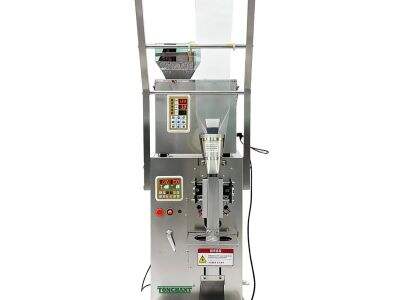
Where to Find Trusted Suppliers for Air Sealer Machines in Bulk
Finding reliable suppliers for wholesale package sealer machine requires conducting thorough research. Start by exploring industry directories and trade shows where manufacturers showcase their products. This allows you to engage directly with suppliers, ask questions, and see the machines in action.
Online platforms and B2B marketplaces can also be valuable resources for identifying potential suppliers. Look for companies with positive reviews and testimonials from existing customers. It may also be beneficial to join industry forums or associations, where you can gain insights and recommendations from other professionals in your field.
Before finalizing a supplier, request samples or demonstrations of their machines. This will enable you to assess the quality and performance firsthand. Additionally, establish clear communication regarding pricing, lead times, and after-sales support to ensure a smooth purchasing experience.
By following these steps and leveraging industry knowledge, you can confidently select a wholesale air sealer machine provider that meets your operational needs.